The Revolution of Virtual Events: How Digital Conferences and Fairs Are Transforming Networking
The Transformative Role of Virtual Events
The advent of technology has fundamentally changed how we connect and communicate, especially in a professional context. Among the most significant developments are virtual events, which have turned traditional networking on its head. No longer are we limited by geography; individuals from all corners of the globe can participate in conferences, workshops, and trade shows, leading to a new era of professional interactions.
One of the most notable advantages of virtual events is their accessibility. Participants can join from anywhere, whether they are in their homes, offices, or even traveling. For instance, a small business owner in rural Ohio can attend a tech conference in Silicon Valley without the hassle of long flights or hotel bookings. This democratization of access allows a wider range of voices and perspectives to contribute to discussions, enriching the debate and fostering innovation.
Cost is another significant factor—organizers and attendees can save on travel and accommodation expenses, making cost-effectiveness one of the highlights of virtual events. For example, companies that typically spend thousands on sending employees to far-flung conferences can instead invest that money into other areas, such as training or marketing, thereby maximizing their resources.
Moreover, virtual events are environmentally friendly. With reduced travel, there are fewer carbon emissions, contributing to a more sustainable future. This factor resonates well with today’s environmentally conscious participants, showcasing how technology can aid in promoting not just business goals but also corporate social responsibility.
Digital conferences and fairs come equipped with innovative tools designed to enhance networking opportunities. For example, virtual networking lounges create casual spaces for attendees to strike up conversations. Imagine logging into a conference and finding a dedicated area where you can meet like-minded professionals to share ideas over a virtual cup of coffee.
Video breakouts further facilitate engaging discussions, allowing smaller groups to delve deeper into specific topics. These sessions can spark creativity and collaboration, resulting in new partnerships and projects. Additionally, interactive Q&A sessions permit real-time feedback, enabling attendees to engage directly with speakers and experts, fostering a dynamic environment of exchange and learning.
As we continue to explore the evolving landscape of virtual events, it becomes evident that their impact goes beyond mere convenience. They are actively reshaping the networking paradigm, fostering inclusivity and flexibility that can benefit professionals across various fields. The ability to connect, share ideas, and collaborate without barriers signals a promising future for virtual engagement in the professional world.
DISCOVER MORE: Click here for tips on earning free clothes
Breaking Barriers: The Power of Connectivity
Virtual events have fundamentally redefined how we network, making it not only easier but also more effective to establish professional connections. Before this digital revolution, attending an event often involved significant logistical hurdles, such as arranging travel, securing accommodations, and allocating valuable time away from work. With virtual conferences, all of these barriers have been dismantled. Now, establishing contacts with industry leaders or potential collaborators is as simple as clicking a link.
This unprecedented connectivity allows participants to engage in networking opportunities that were previously out of reach. For example, at a virtual trade fair, attendees can easily browse virtual booths, watch live demonstrations, and communicate with exhibitors in real-time. This level of interaction ensures that professionals can have meaningful conversations with a diverse array of individuals, enriching their understanding of various fields and industries.
Moreover, the integration of advanced technologies in virtual platforms enhances the networking experience. Many events now incorporate features such as:
- AI-Powered Matching: This technology analyzes attendee profiles and preferences, suggesting connections that are likely to be mutually beneficial. Imagine attending a large conference where you receive tailored recommendations for individuals to meet based on your interests and goals.
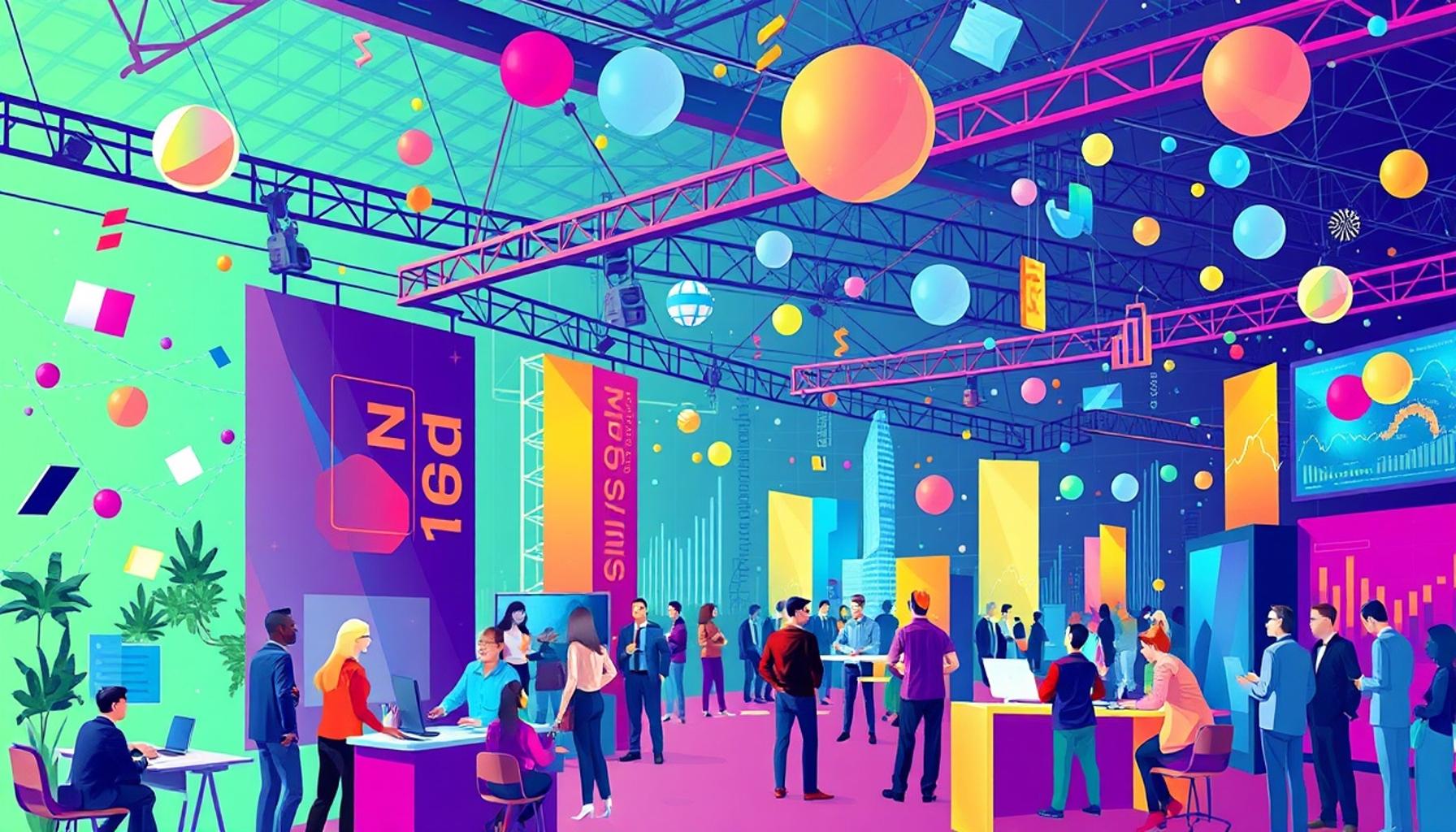
- Virtual Reality Environments: Some innovative events even feature immersive virtual environments, allowing participants to navigate a 3D space that mimics a physical convention center. This creative approach makes networking feel more organic and engaging, as attendees can explore and interact in a simulated setting.
- On-Demand Content: Unlike traditional events where attendees may miss sessions due to scheduling conflicts, virtual events often provide recorded presentations and discussions. This flexibility allows registrants to engage with content at their convenience, ensuring that valuable insights are never lost.
As we consider the landscape of networking opportunities in the professional realm, it’s clear that technology plays a central role. By hosting virtual events, businesses and organizations have not only expanded their reach but also fostered inclusivity. Professionals from varied backgrounds can now enter conversations more readily, regardless of their position or experience, allowing for an influx of fresh ideas and perspectives.
Additionally, virtual networking encourages a culture of openness. Since many events now include chat functionalities, participants can ask questions and seek advice without the pressure usually felt in face-to-face settings. This newfound ease transforms networking from a daunting obligation into an engaging and enjoyable experience.
In conclusion, the transformation brought about by virtual events is not merely a trend; it signifies a fundamental shift in how we connect professionally. As we move forward, it’s essential to embrace these changes and utilize the tools available to create lasting relationships and drive co-creation within our industries. The connection possibilities are boundless, and leveraging them can open doors to new opportunities and collaborations in ways we had never previously imagined.
DISCOVER MORE: Click here to dive deeper
Unlocking New Opportunities: Broader Reach and Diversity
The shift to virtual events has not only streamlined the networking process but also dramatically broadened the potential audience for these gatherings. In a traditional conference setting, physical space limitations, geographical constraints, and budgetary concerns often restricted participation to a select group of individuals. However, the democratization of access that virtual events enable allows anyone with an internet connection to partake, significantly expanding the pool of participants.
This increased accessibility means professionals from remote locations, varied socio-economic backgrounds, and diverse industries can come together in the same digital space. For instance, a small business owner from a rural area in Wisconsin can now connect with tech giants and industry experts without the financial burden of travel. This fosters an environment ripe for collaboration and innovation, where unique ideas can flourish and cross-pollinate between disciplines.
Moreover, the embrace of virtual formats has led to an unparalleled variety of participants, enhancing the richness of discussions. Diverse voices contribute to a more comprehensive dialogue, paving the way for fresh insights and perspectives that challenge the conventional norms of a traditionally homogeneous audience. For example, a virtual panel on renewable energy technologies may see involvement from scientists, entrepreneurs, activists, and policy-makers from around the globe, leading to robust and holistic conversations that would be difficult to achieve in confined physical settings.
Understanding this expansion brings us to consider the importance of targeted outreach. Event organizers can now leverage digital marketing tools to reach specific demographics they wish to engage. Rather than relying solely on local advertisements or word-of-mouth, digital channels like social media, email campaigns, and online communities can effectively attract diverse participants. For example, museums hosting virtual art fairs can partner with educational platforms to engage students and art enthusiasts worldwide, thus enriching their community and fostering a love for culture beyond geographical boundaries.
The essence of networking is rooted in relationships; hence, the ways in which these professional connections are fostered must evolve, too. Virtual events can utilize breakout rooms, allowing smaller groups to engage in focused discussions or brainstorming sessions. This format encourages more intimate settings where participants feel comfortable sharing their ideas and fostering connections that may otherwise be overlooked in large group environments.
Additionally, engaging interactive elements such as polls, quizzes, and live Q&As provides a sense of participation that can be lacking in traditional formats. This interactivity not only elevates the experience but also encourages attendees to contribute actively rather than passively consuming content. For instance, during a virtual conference, a quick polling session can gauge the audience’s opinions on a topic, sparking real-time discussions that lead to valuable exchanges.
As we navigate this new landscape, the importance of adaptability cannot be overstated. Virtual events must continuously evolve to meet the needs and preferences of their audiences. Feedback mechanisms, such as post-event surveys or community forums, enable organizers to fine-tune future events, creating a more engaged and enthusiastic professional network. Through this iterative process, the power of virtual events can be harnessed to foster sustainable and meaningful professional relationships that transcend the confines of traditional networking.
DIVE DEEPER: Click here to uncover more insights
Embracing the Future of Networking
In summary, the revolution of virtual events has fundamentally transformed the landscape of networking, ushering in a new era defined by accessibility, inclusivity, and innovation. As we’ve explored, the ability for individuals from diverse backgrounds and locations to engage in meaningful connections has reshaped how relationships are fostered and maintained in the professional world. The removal of geographical and financial barriers not only levels the playing field but also encourages a vibrant exchange of ideas among participants who might never have connected in a traditional setting.
The implementation of interactive features and a focus on tailored outreach has enhanced participant engagement, paving the way for richer conversations and collaboration. By diligently adapting the formats and structures of these events, organizers can create environments that are both welcoming and stimulating, ensuring that the networking process is both effective and enjoyable.
As we move forward, it is vital for event hosts, participants, and organizations to embrace this evolving digital landscape. By continuing to invest in and refine virtual networking strategies, we can cultivate a more interconnected professional community, where the exchange of ideas drives innovation and growth. Ultimately, the promise of virtual events lies in their ability to break down barriers, enabling all professionals to share their unique perspectives and contribute to the collective advancement of their respective fields. As we embrace this revolution, the future of networking looks not only brighter but also infinitely more diverse and engaging.

Linda Carter
Linda Carter is a writer and expert known for producing clear, engaging, and easy-to-understand content. With solid experience guiding people in achieving their goals, she shares valuable insights and practical guidance. Her mission is to support readers in making informed choices and achieving significant progress.