The Evolution of Streaming Platforms and Their Role in Social Connection
Transformative Shift in Entertainment Consumption
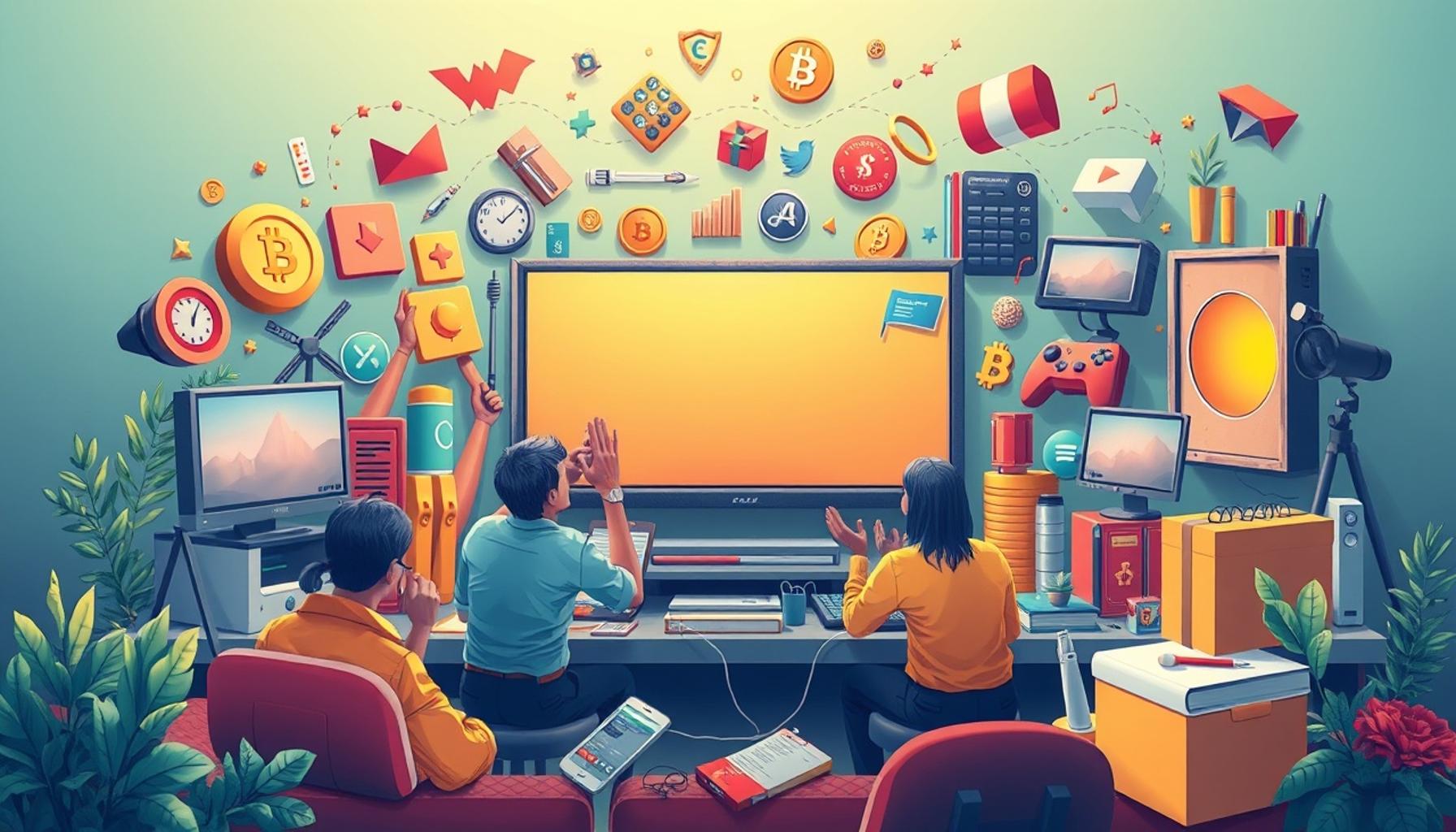
Over the past two decades, we have witnessed a remarkable shift in how we consume entertainment. Streaming platforms have transformed from niche services to essential components of our daily lives. This change reflects not just an evolution in technology but also a reimagining of how we engage with media and with each other.
This transition significantly altered our viewing habits. For instance, platforms like Netflix revolutionized the way we binge-watch shows, introducing all episodes of a season at once, allowing viewers to consume content at their own pace. Similarly, Amazon Prime Video offers a vast library that includes not only popular films and TV shows but also original content like “The Marvelous Mrs. Maisel,” which has garnered critical acclaim, demonstrating how streaming services invest in high-quality programming.
Hulu, on the other hand, carved out a niche with its combination of current TV episodes and a respectable archive of older shows, making it a favorite for users who want to keep up with the latest episodes of their favorite series. YouTube, primarily known for user-generated content, has fostered a unique ecosystem where creators share everything from vlogs to tutorials, allowing viewers to consume entertainment on a vast spectrum of topics.
Furthermore, platforms like Twitch have transformed casual gaming into a community-centric experience, merging entertainment with social interactions. Gamers can stream their gameplay live, while viewers have the chance to engage directly through real-time comments and reactions, making it an interactive experience that breaks the fourth wall.
The Impact of Streaming Technology
As streaming technology has evolved, so has its impact on society. Key developments include:
- Interactive features: Platforms now allow viewers to engage in real time, providing avenues for discussions through chat or comments. For example, watching a live-streamed concert on YouTube allows fans to interact, share their thoughts, and even make requests during the performance.
- Community building: Streaming services have enabled fans to gather online to discuss plot developments, create fan art, and share theories about their favorite shows and movies. Websites like Reddit and various social media platforms host numerous fan communities where members connect over shared interests.
- Live streaming: Events such as virtual concerts and e-sports tournaments offer unprecedented opportunities for fans to join together regardless of geographical limitations. This aspect has been especially meaningful during times when in-person gatherings are restricted.
This evolution highlights the growing need for social connection, especially in a world where digital interactions are increasingly prevalent. Social media, for example, has enabled traditional barriers to dissolve, fostering global friendships formed through shared entertainment experiences.
As we delve deeper into this topic, we will explore the history of streaming platforms, their innovative features, and the pivotal role they play in fostering social connections among diverse audiences. This exploration not only sheds light on technological advancements but also emphasizes how these platforms have become integral to our social lives, reshaping the fabric of entertainment consumption.
DON’T MISS OUT: Click here to learn how to get free clothes!
A Journey Through the Advancements of Streaming Platforms
The history of streaming platforms begins with a few pioneering services that took the first bold steps into the digital entertainment landscape. In the early 2000s, Netflix originated as a DVD rental service that mailed discs directly to customers’ homes. This model laid the groundwork for a new way to consume films and TV shows without the late fees associated with traditional video rental stores. With the evolution of bandwidth and internet speeds, Netflix was able to transition into a streaming service in 2007, fundamentally changing the way audiences interacted with their beloved content.
Following Netflix’s lead, other platforms emerged, each contributing to a rich and diverse ecosystem of entertainment. Hulu, founded in 2008, distinguished itself by offering current TV episodes without the lag time that typically accompanied traditional viewing. This ability to watch the latest episodes soon after they aired created a new urgency for viewers, encouraging conversations about the latest plot twists and character developments almost immediately.
The evolution didn’t stop there; as audiences craved more personalized content, platforms began to build algorithms that analyze user behavior. For instance, YouTube has mastered the art of algorithmic recommendations, guiding users to content based on their viewing history. This not only enhances the viewing experience but also keeps users engaged for longer periods, as they discover new creators and genres.
As streaming platforms grew in popularity, their impact on social interactions became more pronounced. The incorporation of social features turned many viewers into active participants rather than passive consumers. Here are some noteworthy advancements:
- Collaborative Viewing: Some platforms now offer features that allow friends to watch shows or movies together in real time, even when miles apart. For example, services like Teleparty enable synchronized viewing, enhancing the sense of togetherness.
- Social Media Integration: Streaming apps have harnessed social media to promote dialogue around their content. For instance, Twitter is often alive with conversations during live seasons of shows like “Big Brother,” allowing fans to connect and share insights instantly.
- Fan Engagement: Many platforms encourage user-generated content. For instance, fan theories and reaction videos on YouTube create communities of like-minded individuals who bond over their shared interests, adding layers to traditional entertainment consumption.
These advancements emphasize that streaming platforms are not mere repositories of entertainment but have evolved into vibrant social spaces. They provide an avenue for fans to connect, discuss, and celebrate their favorite content together, creating a sense of community even in a digital age. As we continue to explore the evolution of these platforms, it is essential to recognize their influential role in shaping our social experiences and cultural conversations.
DIVE DEEPER: Click here to learn more
The Social Dynamics of Streaming Platforms
As streaming services have advanced, so has their impact on social dynamics and interactions among viewers. The way we consume content has shifted from solitary experiences to collective ones, significantly enhancing how we connect with others. This transformation is particularly evident in the rise of community engagement within various platforms.
One of the most compelling examples of community building is the emergence of online viewing parties. These virtual gatherings allow friends or even strangers to share the experience of watching a show or movie simultaneously. Platforms like Amazon Prime Video and HBO Max have integrated features that support this phenomenon, allowing users to create private groups where they can chat and react in real time while enjoying their favorite titles. This not only fosters relationships but also creates a shared experience that enhances emotional engagement with the content.
In addition, many streaming platforms have introduced their own exclusive content that sparks conversation and speculation among viewers. Shows like “Stranger Things” and “The Mandalorian” have cultivated fandoms that extend beyond the screen, leading to Facebook groups, Reddit threads, and dedicated fan sites. For example, Reddit hosts active communities where fans dissect episodes, share theories, and even create fan art. This interaction transforms viewers from passive watchers into active participants, allowing them to forge deeper connections grounded in mutual interests.
Another impactful aspect is the role of social media in amplifying conversations about streaming content. Platforms like Instagram and TikTok have become crucial in promoting user-generated content related to films and TV series. Fans create memes, share clips, and discuss character arcs, which cultivates a sense of unity among viewers. For instance, the #SquadGoals trend on TikTok often celebrates friendships portrayed in popular series, thereby intertwining the show’s narrative with real-life connections among fans. This cross-platform sharing not only keeps the conversation alive but also draws in new viewers, broadening the show’s reach.
Moreover, the accessibility of streaming platforms has democratized content creation and engagement. With nearly 80% of American households subscribing to at least one streaming service, diverse voices now have the opportunity to create and share content that resonates with varied audiences. Platforms are increasingly commissioning works from underrepresented creators, which enhances cultural discussions and encourages inclusivity. For example, shows like “Pose” and “Gentefied” highlight unique cultural narratives, inviting discussions that deepen social connections among viewers from different backgrounds.
Lastly, the impact of streaming platforms on real-world social movements cannot be overlooked. Documentaries and films that spotlight important social issues—like racial inequality or environmental challenges—have led to increased awareness and activism, galvanizing viewers to connect not just in their shared enjoyment of media, but also through collaborative efforts in the community. Streaming platforms have thus shaped not only entertainment but also societal dialogue, reinforcing their role in creating a more interconnected world.
DISCOVER MORE: Click here to dive deeper
Conclusion
In summary, the evolution of streaming platforms has profoundly transformed the landscape of entertainment and social connection. From solitary viewing habits to vibrant online communities, these platforms have reshaped how we interact with media and with each other. The rise of online viewing parties and active fan communities exemplifies how technology fosters connections over shared interests, allowing us to unite around our favorite shows and movies in real time.
Furthermore, the impact of social media on enhancing these connections cannot be overstated. Through platforms like Instagram and TikTok, viewers are given a voice to discuss, critique, and celebrate content, creating a dynamic dialogue that extends beyond the screen. As streaming services continue to champion diverse and underrepresented creators, they promote a broader range of narratives, inviting rich cultural discussions and inclusivity.
Finally, it’s crucial to recognize the role that streaming platforms play in addressing significant social issues. By highlighting pressing matters through documentaries and original programming, they not only entertain but also encourage awareness and activism among viewers. Thus, the evolution of streaming platforms is not just a reflection of technological advancement but also a catalyst for enhancing social connection and driving societal change. As we move forward, we should embrace the potential they hold for building community and fostering understanding in an ever-more connected world.

Linda Carter
Linda Carter is a writer and expert known for producing clear, engaging, and easy-to-understand content. With solid experience guiding people in achieving their goals, she shares valuable insights and practical guidance. Her mission is to support readers in making informed choices and achieving significant progress.