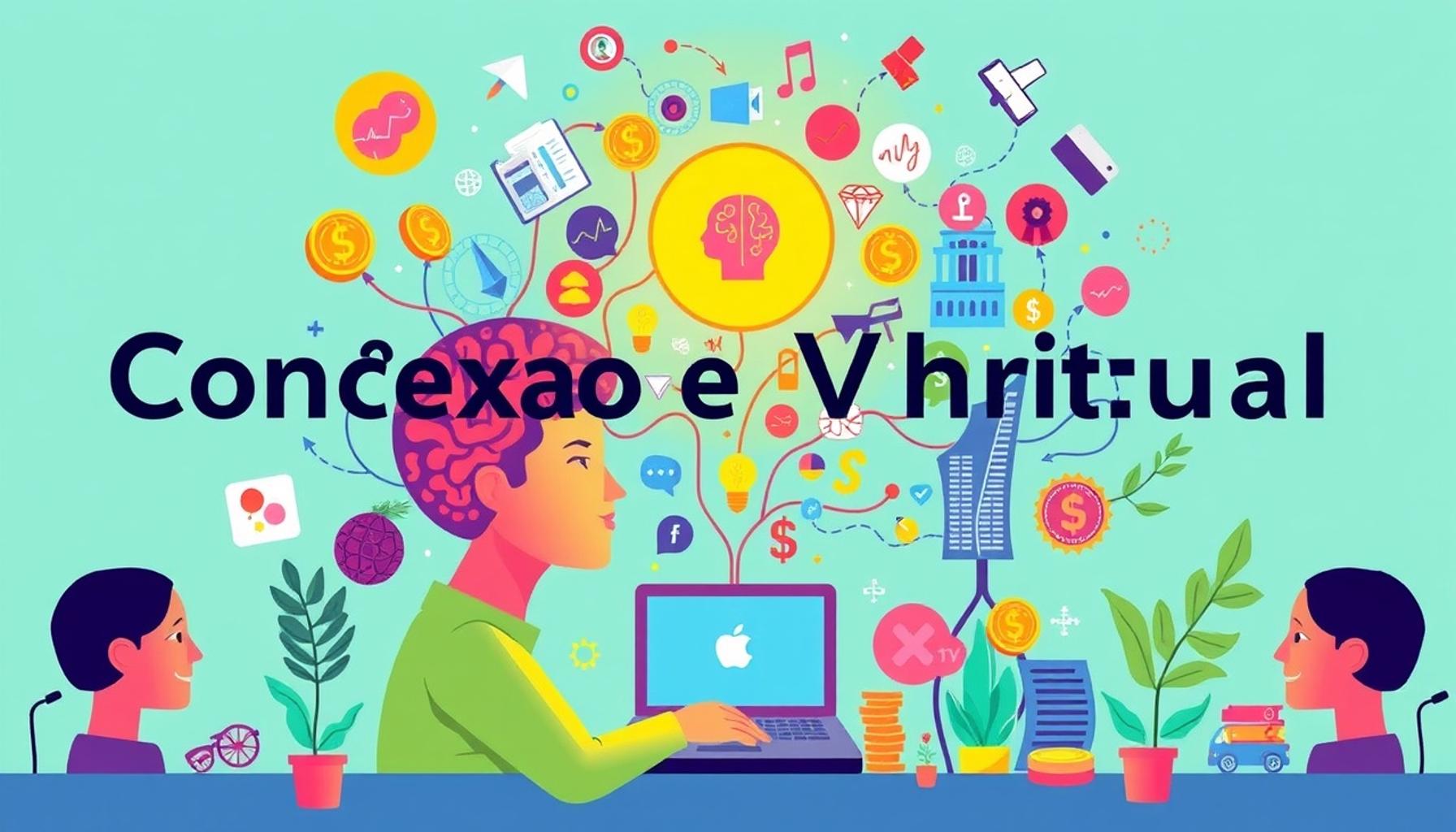
Distance Education: The Virtual Connection in Learning and Access to Knowledge

Understanding the Evolution of Distance Education
In recent decades, the landscape of education has significantly transformed, driven by the advent of technology and the need for greater accessibility. Distance education, also known as online learning or e-learning, has emerged as a vital component of modern education. This innovative approach is not merely a trend; it represents a profound shift in how knowledge is disseminated, tailored especially to meet the diverse needs of today’s learners.
The advantages of distance education are manifold, appealing to a wide audience. As outlined previously, flexibility plays a crucial role, allowing learners to juggle their studies with personal and professional obligations. For instance, a working parent can engage in online courses during evenings or weekends, thereby facilitating their educational pursuits without sacrificing family time.
Accessibility is another significant benefit of distance education. Consider a student living in a rural area of the United States, far from the nearest university. With online courses, they can access lectures and resources from top institutions, effectively eliminating geographical barriers. This democratization of education ensures that quality learning opportunities are available to everyone, regardless of their location.
The diverse learning options available in distance education also contribute to its effectiveness. For instance, students can choose from instructional videos, interactive quizzes, or discussion forums, catering to different learning styles. An example could be a software development bootcamp that uses a combination of video lectures and hands-on coding projects to accommodate both visual and kinesthetic learners.
Moreover, institutions are increasingly adopting innovative technologies to enhance the learning experience. Tools like Zoom for video conferencing, Slack for collaborative projects, and specialized platforms for online quizzes help simulate a traditional classroom environment while providing unique advantages. This integration of technology not only makes learning more engaging but also prepares students for a digital workforce.
Distance education is inclusive, welcoming a broad spectrum of learners. This includes adult learners looking to upskill in a competitive market, such as professionals in the tech industry who want to learn new programming languages. It also resonates with students seeking non-traditional environments, who may benefit from learning in a self-paced, less formal context. Furthermore, individuals engaged in lifelong learning can seize opportunities to explore new fields, from nursing to graphic design, further enriching their personal and professional lives.
As we continue to analyze the impact of distance education, it’s clear that it plays a transformative role in shaping the future of learning. Embracing this method allows countless individuals to unlock doors to knowledge, equipping them with essential skills and fostering a culture of continuous learning that is vital in our rapidly evolving world.
DISCOVER MORE: Click here for additional tips
The Mechanisms Behind Distance Education
To fully appreciate the impact of distance education, it is essential to understand the fundamental mechanisms that drive this mode of learning. At its core, distance education leverages technology to create a virtual environment where students can engage with course material and instructors without being physically present. This digital bridge between learners and educators incorporates various elements, each contributing to the overall effectiveness of online learning.
One of the primary components of distance education is the Learning Management System (LMS). Platforms such as Canvas, Moodle, and Blackboard act as centralized hubs where course materials are stored, assignments are submitted, and grades are tracked. These systems also facilitate communication between students and instructors, allowing for discussions and feedback in real-time or asynchronously. Imagine a student completing a coursework project on a platform like Canvas; they can not only submit their work but also receive peer reviews and interact with faculty, creating a community of learning that mimics the in-person experience.
In addition to LMS, interactive content plays a significant role in maintaining student engagement in an online format. Educational institutions are increasingly incorporating videos, podcasts, and gamified learning activities to enhance the educational experience. For example, a business course may utilize simulation software where students make strategic decisions about a virtual company, providing a practical application of theoretical knowledge. This interactive approach is crucial in catering to various learning styles, as some learners may grasp concepts better through visual or auditory means.
Moreover, the role of internet access cannot be understated in the success of distance education. Though the digital divide remains a challenge, efforts are being made to improve connectivity across the United States. Many schools and community programs are working to provide students in underserved areas with internet access and devices, ensuring that they can take advantage of online courses. This initiative is vital in leveling the playing field, giving every learner the chance to succeed in a digital space.
The support structures around distance education are equally important for fostering a conducive learning environment. Institutions often provide resources like academic advising, technical assistance, and study skills workshops to help students navigate the online learning landscape. These services are designed to assist learners who may feel overwhelmed by the digital format or those who require additional guidance in managing their time effectively. Here are some of the support services typically offered:
- Technical support: Help desks to address connectivity issues or platform navigation problems.
- Online tutoring: Access to expert tutors for various subjects via virtual platforms.
- Workshops: Sessions on how to improve online study techniques and time management skills.
As we delve deeper, it is evident that distance education functions through a combination of technological innovation and a supportive framework. These interconnected aspects work together to provide a seamless educational experience, bridging gaps that previously hindered access to quality learning. By harnessing the power of technology and dedicated support, distance education not only reshapes how we learn but also democratizes access to knowledge, making it available to a broader audience than ever before.
DISCOVER MORE: Click here to unlock the secrets to earning free clothes
Embracing Flexibility and Lifelong Learning
One of the most notable advantages of distance education is its inherent flexibility, which accommodates the diverse needs of modern learners. In an age where many individuals juggle multiple responsibilities, such as work and family, online education provides the opportunity to pursue academic goals without sacrificing personal commitments. For instance, a working parent can engage in a part-time online degree program, attending virtual classes during evenings or weekends. This adaptability is a game-changer, allowing education to fit into life rather than requiring life to fit into education.
Additionally, distance education plays a crucial role in facilitating lifelong learning. With rapid advancements in various fields, professionals must continuously update their skills to remain competitive in the job market. Online courses offer a practical solution, allowing individuals to enroll in specific programs or seminars tailored to their career development. For example, a marketing professional might take a short online course in digital marketing strategies to keep pace with industry trends. This skill enhancement not only benefits the individual but also strengthens the workforce, ultimately contributing to economic growth.
The Community Aspect of Virtual Learning
While distance education may seem solitary at first glance, it frequently fosters a vibrant and dynamic community of learners. Virtual classrooms often encourage collaboration among students through group projects and discussion forums where they share experiences and insights. Many online programs facilitate peer-to-peer interaction via social media groups or chat rooms, enabling students to form connections that transcend geographic boundaries. For instance, during a collaborative research project, students from different states might bring unique perspectives to the table, enriching the learning experience.
Furthermore, many institutions are hosting live webinars, workshops, and virtual networking events, allowing students to engage with industry experts and alumni. These opportunities not only enhance the educational experience, but also help students cultivate professional relationships that can prove invaluable in their careers. For example, an aspiring software developer might attend a virtual hackathon hosted by their university, where they can work alongside seasoned professionals and gain insights into the latest technologies.
Challenges and Innovations in Distance Education
<pDespite the numerous advantages, it is essential to acknowledge the challenges that accompany distance education. Issues such as technology fatigue, feelings of isolation, and the need for self-discipline can hinder a student’s ability to thrive in an online setting. Educational institutions are continuously working to address these challenges by integrating more interactive and engaging content. Innovations such as virtual reality (VR) learning environments allow students to immerse themselves in their subject matter more fully. For example, a biology class might use VR simulations to explore complex ecosystems, transforming abstract concepts into tangible experiences.
In response to concerns about isolation, many programs are now implementing structured group interactions and regular check-ins with instructors. These practices not only enhance engagement but also create a supportive learning environment. Research indicates that students who feel connected with their peers and instructors are more likely to succeed in online education. Thus, fostering connections becomes a priority, ensuring that distance education evolves into a collaborative journey rather than a solitary undertaking.
Ultimately, the mechanisms, flexibility, and supportive community within distance education are transforming the landscape of learning. By embracing the potential of technology and a commitment to innovation, educational institutions are paving the way for a new era of knowledge access, creating a vibrant, connected, and inclusive community of learners.
DON’T MISS: Click here to discover how to score stylish clothes
Looking Ahead: The Future of Distance Education
In summary, distance education has redefined the landscape of learning, making it more accessible and flexible than ever before. As we embrace the digital age, the virtual connections formed in online education provide a means for countless individuals to pursue their academic and professional aspirations, regardless of their geographical location or personal circumstances. The adaptability of online programs allows learners to integrate their educational journeys with their everyday lives, promoting not just academic growth but also the invaluable pursuit of lifelong learning.
Moreover, the community aspect of virtual learning fosters collaboration and connection, counteracting the isolation often associated with remote education. Students can engage with diverse perspectives and coordinate efforts through innovative platforms, forming networks that will serve them well into their careers. The commitment to addressing challenges—whether it’s mitigating technology fatigue or enhancing student interaction—ensures that distance education continues to grow and improve.
As we move forward, embracing new technologies like artificial intelligence and virtual reality will further enrich the online learning experience. Educational institutions must remain at the forefront of these innovations, continually expanding access to knowledge and fostering an environment where students feel supported and engaged.
In conclusion, distance education is not merely a substitute for traditional learning; it is a transformative approach that opens doors to new possibilities for learners of all ages and backgrounds. By recognizing its potential and investing in future advancements, we can ensure that the pursuit of education remains an inclusive, dynamic journey for everyone.

Linda Carter
Linda Carter is a writer and expert known for producing clear, engaging, and easy-to-understand content. With solid experience guiding people in achieving their goals, she shares valuable insights and practical guidance. Her mission is to support readers in making informed choices and achieving significant progress.