The Intersection of Digital Art and Social Activism in the Information Age
Understanding the Intersection of Digital Art and Social Change
In today’s increasingly digital landscape, the role of art has evolved significantly. The rise of the Information Age has transformed digital art from a simple medium of expression into a formidable instrument for social change. This transformation is reshaping conversations around critical societal issues and providing artists with innovative ways to engage with audiences.
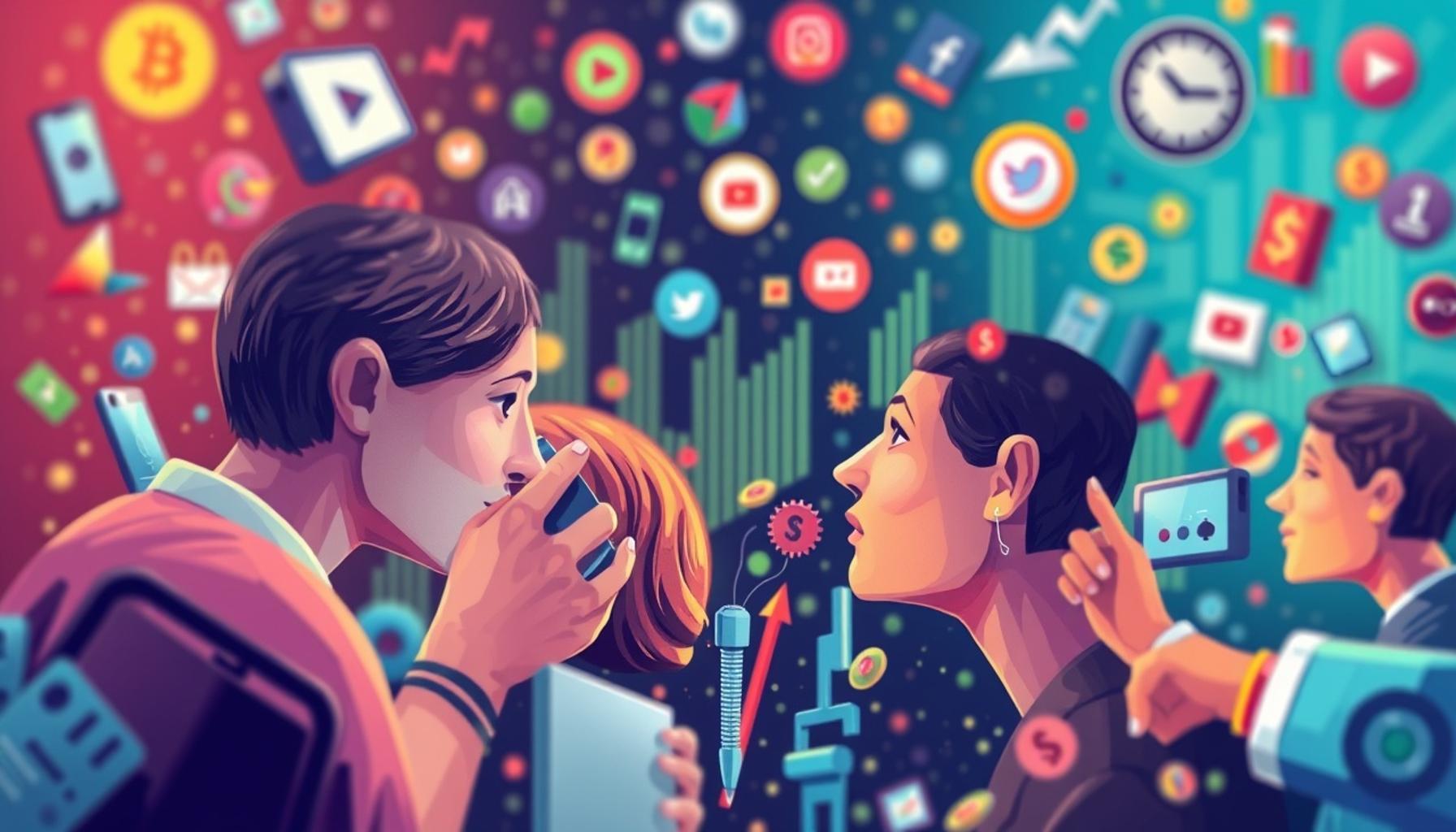
One of the most notable aspects of this evolution is accessibility. With the advent of digital platforms like Instagram, TikTok, and DeviantArt, artists can transcend geographic boundaries, reaching millions of viewers worldwide. For example, an artist in the United States can share their work on social media, allowing people in different countries to connect with their messages about social and political issues. This capability democratizes art, enabling voices that might otherwise go unheard to cultivate a following and spark dialogue.
Moreover, user engagement has taken on new dimensions through interactive art experiences. Instead of passive observation, audiences now actively participate in the storytelling process. Platforms like Snapchat let users create augmented reality filters that allow them to visualize social issues firsthand, while projects like “The Obliteration Room” by Yayoi Kusama invite participants to contribute to an evolving artwork, thus fostering a sense of communal ownership and responsibility towards social themes.
The viral impact of digital art cannot be overstated. With just a few clicks, a powerful piece can spread across social media, igniting conversations on pressing issues. For instance, a striking digital illustration depicting the effects of climate change can be shared widely, leading to increased awareness and prompting action. Campaigns such as the “#BlackLivesMatter” movement have also effectively utilized digital art to amplify messages of justice and equality, turning images into symbols of social revolutions that inspire grassroots activism.
Through the lens of digital art, significant global topics are being addressed in compelling ways. For instance, artists focusing on climate change utilize visuals that evoke emotional responses, urging viewers to consider their role in protecting the environment. Works like these might depict stark contrasts between thriving landscapes and drought-stricken areas, delivering a powerful message about the urgency of environmental preservation.
Similarly, the arts address social justice and diversity and inclusion by documenting stories often marginalized in mainstream narratives. Artists such as Kehinde Wiley and Amy Sherald use their platforms to challenge conventional representations of race and identity, shining a light on historical and contemporary injustices faced by minority communities. They reimagine narratives that celebrate diverse voices and experiences, ensuring that the stories of underrepresented groups are amplified in the public sphere.
The fusion of creativity and activism heralds a new era in which visual storytelling can lead to meaningful societal change. By embracing the unique characteristics of digital media, artists not only express their views but also engage and inspire action, driving important conversations forward. Understanding this connection between digital art and social change is essential, as it allows us to recognize the dynamic role art plays in shaping public discourse in a rapidly changing world.
DISCOVER MORE: Click here to learn about the impact of quantum computing</a
The Transformative Power of Digital Platforms
The unique capabilities of digital platforms have revolutionized how art intersects with social activism. The ability to create, share, and disseminate art has exponentially expanded the reach and impact of artists’ messages. This transformation can be attributed to several key factors that distinguish digital art from traditional forms.
- Global Connectivity: Digital art thrives on the interconnectedness of our world. Artists can now share their work through social media channels, blogs, and online galleries, allowing their messages to engage diverse audiences across various demographics and cultures. For instance, during the global protests surrounding social justice, artists from different corners of the world united to illustrate their struggles, creating a shared visual language that resonates broadly.
- Affordability and Accessibility: Digital tools have made art production more accessible to aspiring artists and activists. With basic software and hardware, emerging creators can produce professional-quality work without the financial burden of traditional materials. This democratization of art allows more voices to contribute to social conversations, fostering a vibrant community of changemakers.
- Real-Time Feedback: The instant nature of digital platforms also facilitates real-time engagement between artists and their audiences. Users can respond to a piece of art immediately, offering feedback and sharing their thoughts, which can shape future works. This interactivity not only keeps the dialogue alive but also encourages artists to adapt their messages to better connect with their audience.
Another significant aspect of this digital evolution is the way it allows for the curation of artistic narratives. Artists are not limited to their physical spaces or chosen galleries. Instead, they can create online exhibitions, curate thematic collections, and utilize mediums like video, GIFs, and even virtual reality to enhance their storytelling. One noteworthy example is the “The Museum of the Future,” an online gallery that showcases digital art addressing social issues, allowing visitors to explore critical themes in an immersive format.
This versatility enables artists to experiment with various styles and techniques while actively engaging with pressing issues. By leveraging trending topics, memes, and cultural references, artists can create relatable works that resonate with the public sentiment. As a result, these pieces often become catalysts for discussion, prompting viewers to reevaluate their perspectives on societal challenges.
Furthermore, collaboration within digital art has emerged as a powerful tool for activism. Artists often join forces with organizations or movements to amplify their reach. Collaborative projects such as mural campaigns, digital archives, and social media challenges harness creativity while driving grassroots efforts and fundraising initiatives. The effectiveness of these collaborations can be seen in initiatives like the “Art for Social Change” project, which uses digital art to fund community activism while providing visibility to critical social issues.
Ultimately, the intersection of digital art and social activism in the Information Age illuminates how artistic expression serves as a powerful voice against injustice. Digital platforms are not just channels for creativity; they are also arenas for social dialogue and change, proving that art is, indeed, a potent force for transformation in society.
DISCOVER MORE: Click here for an in-depth look
The Role of Digital Art in Sparking Social Change
As the digital landscape evolves, the role of digital art in sparking social change has become increasingly prominent. Artists have harnessed the power of visual storytelling to provoke thought, inspire empathy, and compel action on various social issues. The potential for digital art to communicate complex messages in an easily digestible format makes it an invaluable tool in the activist toolkit.
One major theme in digital activism is the use of visual metaphors to highlight social injustices. For example, during the Black Lives Matter movement, artists created striking images of fists raised in defiance to represent strength and unity against systemic racism. These enduring symbols quickly became viral, transcending geographical boundaries and capturing the essence of the movement. By crafting powerful imagery, artists effectively distilled intricate issues into memorable visuals that encourage public dialogue and mobilization.
The integration of data visualization into art has also emerged as a compelling approach to convey social issues. Artists utilize infographics, interactive charts, and animated visualizations to bring statistics to life. This method not only informs but also engages audiences on a deeper level. For instance, the “Mapping Police Violence” project uses data visualizations to illustrate the disproportionate rates of police violence against marginalized communities in the U.S. By blending artistry with empirical data, this approach not only informs viewers but also invites them to act upon the insights gained.
Campaigns and Challenges: Amplifying Voices
Social media campaigns have become a significant avenue for artists to amplify voices and spread awareness. Initiatives like “Art Challenge for Change” invite artists to create works surrounding specific themes, thus fostering a sense of community and shared purpose. These challenges often gain traction on platforms like Instagram and Twitter, where users share their contributions and tag related organizations, creating a domino effect of visibility. The viral nature of these posts encourages participation beyond the art community, drawing in audiences unfamiliar with the issues at hand.
- The 10-Year Challenge is a notable example, where artists contributed their before-and-after images, highlighting climate change impacts on the environment. This combination of art and awareness created a powerful call to action for the audience.
- Hashtag activism has proven influential as well, with tags like #ArtForChange driving engagement and connecting artists with wider campaigns. This form of activism demonstrates how art can unify disparate movements, as artists across the globe interpret and respond to complex social challenges.
With the rise of digital art, traditional artistic hierarchies are being challenged. Anonymity and the absence of physical spaces allow creators to explore themes that may be controversial or politically sensitive. Many artists are responding to societal taboos and injustices, tackling issues such as gender inequality, immigration rights, and mental health stigma. This unfiltered expression contributes to a tapestry of voices that represents the richness and diversity of contemporary society.
Furthermore, as the relationship between digital art and social activism deepens, the impact of online movements can be seen in tangible outcomes. Fundraising campaigns leveraging digital art are emerging, providing vital resources for grassroots organizations. Platforms like Patreon enable artists to directly support causes they care about, ensuring that the resultant funds are used for real-world change. For instance, digital prints or NFTs (non-fungible tokens) created by activist artists can be sold to finance community projects, thus intertwining their art with financial support for social justice causes.
DISCOVER MORE: Click here to dive deeper
Bridging Creativity and Activism for a Better Future
In the Information Age, the intersection of digital art and social activism serves as a powerful force for change and awareness. The evolution of digital platforms has democratized artistic expression, allowing creators to challenge traditional boundaries and engage with pressing social issues like never before. Through visual metaphors, data visualization, and innovative campaigns, digital art not only enhances public dialogue but also galvanizes collective action.
Artists play a crucial role in translating complex societal problems into accessible and impactful messages that resonate across diverse audiences. By leveraging social media and participatory initiatives, they foster a community of advocates united by shared values and goals. This sense of collaboration amplifies voices that might otherwise go unheard, reflecting the rich tapestry of modern society and ensuring that various viewpoints are represented in the fight for justice.
Moreover, as we witness the tangible outcomes driven by digital activism, it becomes evident that this fusion of creativity and engagement can lead to substantial change. The ability to fundraise through art, the establishment of ongoing dialogues, and the mobilization of resources are just a few examples of how digital art can directly contribute to transformative projects and initiatives.
In conclusion, the symbiotic relationship between digital art and social activism not only enhances our understanding of complex issues but also equips us with the tools necessary for driving meaningful change. As we navigate the challenges of our time, embracing this dynamic intersection empowers us all to envision a better future and actively participate in the creation of a more equitable and compassionate world.

Linda Carter
Linda Carter is a writer and expert known for producing clear, engaging, and easy-to-understand content. With solid experience guiding people in achieving their goals, she shares valuable insights and practical guidance. Her mission is to support readers in making informed choices and achieving significant progress.