The Influence of 5G on the Revolution of the Internet of Things


The Transformation of IoT with 5G Technology
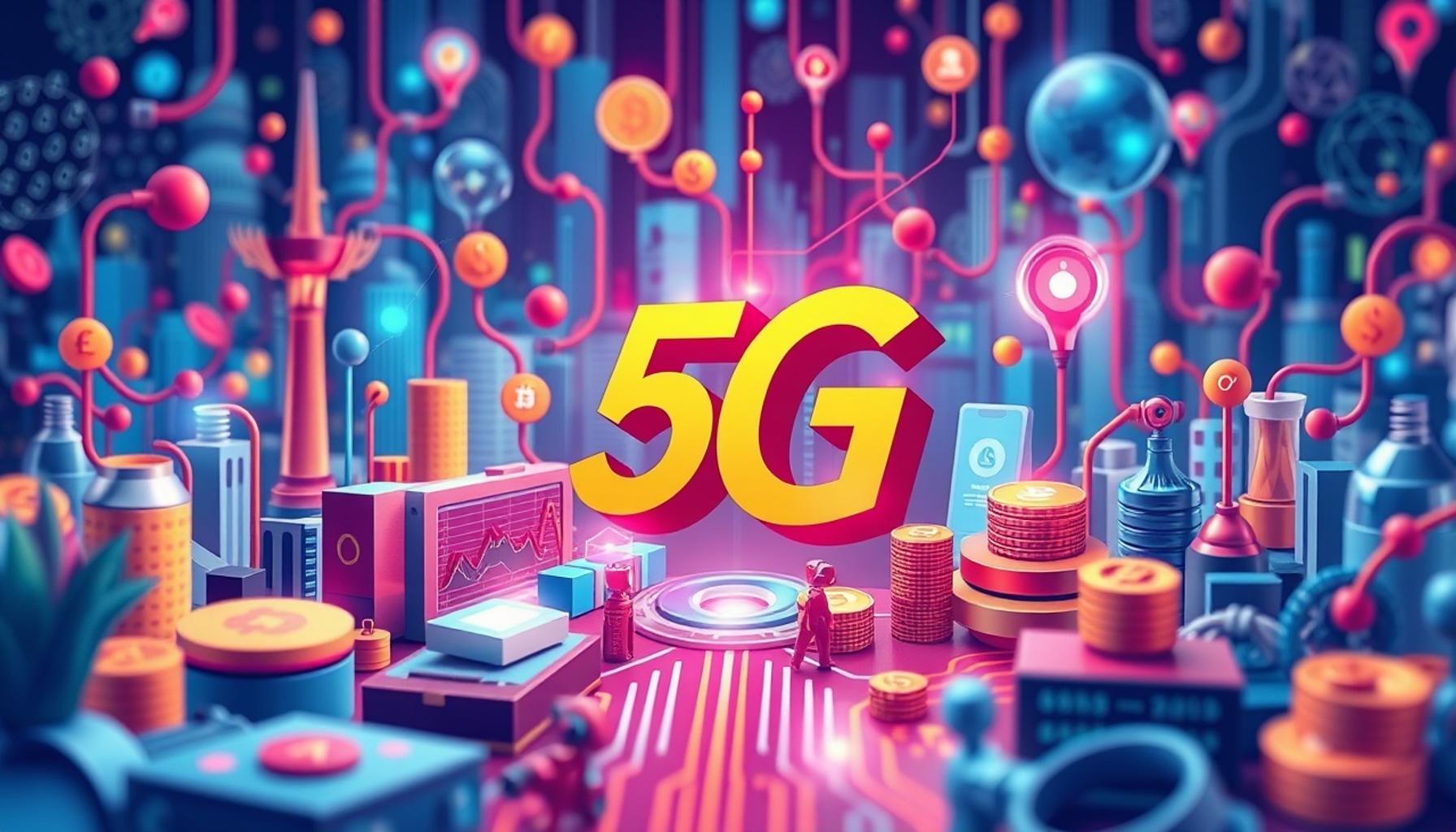
The roll-out of 5G technology signifies a monumental shift in the landscape of connectivity, particularly for the Internet of Things (IoT). This new network standard is set to transform the way devices communicate with each other, enabling a multitude of applications that increase efficiency across various sectors. The implications of this transformation extend beyond mere technological enhancements; they promise to reshape daily life as we know it.
One of the most significant advantages of 5G is its faster speeds. With transfer rates that can exceed 10 Gbps, 5G can be up to 100 times faster than what we experienced with 4G networks. This leap in speed enables real-time data transmission, which is invaluable for applications such as smart grid management where instantaneous data analysis can prevent outages or optimize resource allocation.
In addition to speed, lower latency is a critical feature of 5G technology. Latency refers to the time it takes for data to be sent and received. With 5G, latency is reduced to mere milliseconds, which is crucial for high-stakes applications like autonomous vehicles. For example, self-driving cars rely on rapid communication with nearby sensors and other vehicles to make split-second decisions, potentially saving lives and improving traffic flow.
Increased connectivity is another hallmark of 5G. It can support millions of devices within a single square mile, making it possible to create densely connected environments, such as smart cities where lights, traffic signals, and public transportation systems can communicate efficiently. This paves the way for improved urban planning and management, where city resources can be allocated more effectively based on real-time data insights.
The benefits of 5G extend into several key industries:
- Enhance Patient Care: In healthcare, 5G facilitates telemedicine and remote patient monitoring. Wearable devices can continuously track vital signs, transmitting data to healthcare providers instantly. This real-time feedback allows for quicker interventions, ultimately improving patient outcomes.
- Optimize Farming: In agriculture, IoT sensors connected via 5G can provide actionable insights regarding soil health, moisture levels, and crop growth. Farmers can use this data to make informed decisions that enhance crop yields while minimizing water and fertilizer usage.
- Create Smart Environments: Urban areas are increasingly adopting smart technologies powered by 5G, leading to efficient energy management systems. For example, buildings equipped with smart meters can adjust their energy consumption in real-time, lowering costs and reducing their carbon footprint.
As we continue to explore the implications of 5G technology, it becomes clear that it represents not just an upgrade in network capability, but a fundamental shift in how we interact with the world around us. The ongoing revolution in connectivity is just the beginning, and its potential applications are vast, promising to make our lives simpler, more efficient, and more interconnected than ever before.
DON’T MISS: Click here to learn how to safeguard your digital life
Unlocking New Possibilities with 5G
As we delve deeper into the impact of 5G technology on the Internet of Things (IoT), it becomes evident that the advantages it brings are not merely enhancements to existing systems, but rather a catalyst for radical innovation. By leveraging 5G’s capabilities, industries can unlock new possibilities that were once thought to be far-fetched.
At the heart of this transformation is the ability of 5G to support massive device connectivity. Unlike previous generations of mobile networks, 5G can connect up to a million devices per square kilometer. This feature is indispensable for the growing trend of smart homes. Imagine a household where everything from the refrigerator to the thermostat is interconnected. For instance, a smart refrigerator can alert homeowners when they are low on groceries, or a thermostat can learn a family’s behavior to optimize heating and cooling, ultimately saving energy costs.
Moreover, 5G’s high bandwidth allows for the simultaneous streaming of data from multiple sources. This is particularly beneficial in smart cities where interconnected devices, such as surveillance cameras and traffic management systems, share information in real time. For example, during rush hour, traffic lights can adjust their timings based on data gathered from vehicle sensors and cameras to alleviate congestion. This interconnectedness not only improves traffic flow but enhances public safety as well.
Another industry set to be revolutionized by 5G and IoT is manufacturing. The rise of smart factories equipped with connected machines allows for seamless communication between devices on the production floor. These machines can send notifications to operators for maintenance when issues arise, reducing downtime and optimizing output. With real-time data analytics, companies can forecast production needs more accurately, thereby reducing waste and improving overall efficiency.
The retail sector also stands to gain significantly from the integration of 5G and IoT technologies. Smart shelves equipped with weight sensors can notify store managers when inventory is low, ensuring that products are always stocked. Furthermore, enhanced customer engagement can occur with connected devices. For example, smart fitting rooms can suggest sizes and colors based on the customer’s preferences recorded through their mobile devices, thereby enriching the shopping experience.
As we continue to witness the fusion of 5G and IoT, several notable shifts emerge across various sectors:
- Improved Efficiency: Industries are becoming more streamlined, reducing operational costs and time.
- Enhanced User Experience: Consumers benefit from personalized services and convenience through connected devices.
- Data-Driven Insights: Organizations can leverage data analytics to make informed decisions for better outcomes.
In summary, the relationship between 5G and IoT is a major enabler for innovation across industries. As we progress, the practical applications of these technologies are likely to lead to a smarter, more efficient world—one that is interconnected in ways we are only beginning to comprehend.
DISCOVER MORE: Click here to delve deeper
Transforming Industries Beyond Imagination
The influence of 5G technology on the Internet of Things (IoT) extends far beyond individual sectors; it has the potential to reshape entire industries and societal landscapes. One significant area poised for transformation is healthcare. With enhanced connectivity and real-time data transmission, medical professionals can utilize connected devices for remote monitoring of patients. Imagine patients wearing smart wearables that track vital signs such as heart rate and oxygen levels; these devices can instantly relay critical information to healthcare providers, enabling prompt interventions. For instance, a heart patient could receive immediate alerts if their vital signs signal distress, resulting in faster treatment and potentially saving lives.
Additionally, the application of 5G in healthcare opens new doors for telemedicine. Doctors can conduct virtual consultations with patients in remote areas, ensuring access to quality healthcare services without the need for extensive travel. As a result, healthcare systems can alleviate pressure on hospitals while improving access and efficiency for patients from diverse backgrounds across the United States.
Another sector experiencing a dramatic shift is agriculture. The advent of smart farming, enabled by 5G and IoT devices, allows farmers to monitor and manage their crops and livestock more effectively. Sensors placed throughout farmlands can analyze soil moisture levels, humidity, and temperature, sending real-time data to farmers’ smartphones or computers. This capability allows for precise irrigation management that not only conserves water but also maximizes crop yield. For example, farmers can detect when and where to water their fields based on specific plant needs, improving efficiency and sustainability in food production.
The logistics and transportation industry is also undergoing significant changes as 5G empowers IoT technology to streamline operations. The rise of autonomous vehicles (AVs) showcases the potential of this synergy. Vehicles equipped with advanced sensors can communicate with each other and their surroundings, adjusting routes to reduce delays caused by traffic congestion. For instance, delivery trucks could reroute in real-time based on road conditions and local traffic updates, ultimately enhancing delivery speed and customer satisfaction. With operational costs reduced and efficiency improved, logistics companies stand to benefit immensely.
Moreover, 5G’s influence on the energy sector cannot be overlooked. Smart grids powered by 5G can monitor electricity consumption dynamically, allowing for better energy distribution and management. Consumers will have the ability to monitor their energy usage through connected devices and receive feedback on how to enhance their energy efficiency. For example, a household might receive alerts encouraging energy use during off-peak hours, ultimately leading to lower bills. This transition towards smarter energy consumption not only benefits consumers but fosters a more sustainable environment.
- Improved Access to Information: The integration of 5G and IoT provides stakeholders in various sectors with real-time information, enhancing decision-making processes.
- Accelerated Innovation: Companies harness the power of data analytics to pioneer new solutions that meet changing market demands.
- Cost Effectiveness: Enhanced efficiency through automation and better resource allocation results in reduced operational costs.
As 5G technology continues to evolve, its full potential in revolutionizing the Internet of Things becomes increasingly clear. By unlocking new capabilities and facilitating the interconnection of devices, 5G holds the promise of a profoundly interconnected future—transforming how we live, work, and interact with the world around us.
DISCOVER MORE: Click here to learn how to score free clothes
Rethinking Connectivity and Its Potential
In conclusion, the advent of 5G technology is not just an incremental upgrade in mobile connectivity; it represents a transformative leap that is fundamentally reshaping the landscape of the Internet of Things (IoT). Through enhanced speed, reliability, and capacity, 5G is enabling a vast array of devices to communicate seamlessly, driving innovation across numerous industries. From healthcare to agriculture and logistics to energy, the practical applications of 5G are already yielding significant benefits, such as improved efficiency, smarter resource management, and expanded access to services.
As we look towards the future, it is crucial to recognize that the integration of 5G and IoT goes beyond mere technological advancements; it impacts our daily lives and the way we interact with our environment. With smart devices continually collecting and analyzing data, stakeholders across various sectors can make more informed decisions for enhanced outcomes. The potential for advanced systems like smart cities and autonomous vehicles stands to redefine how we manage urban centers and transportation networks.
However, as we embrace these innovations, it is vital to consider the implications on privacy, security, and equitable access to technology. The journey towards a fully connected world is underway, but a collaborative effort between governments, industries, and communities is essential to ensure that this revolution benefits all. Ultimately, the influence of 5G on the Internet of Things offers a glimpse into a more interconnected and efficient future, one where possibilities are limited only by our imagination.

Linda Carter
Linda Carter is a writer and expert known for producing clear, engaging, and easy-to-understand content. With solid experience guiding people in achieving their goals, she shares valuable insights and practical guidance. Her mission is to support readers in making informed choices and achieving significant progress.