The evolution of social networks and its consequences for modern communication
Evolution of Social Networks
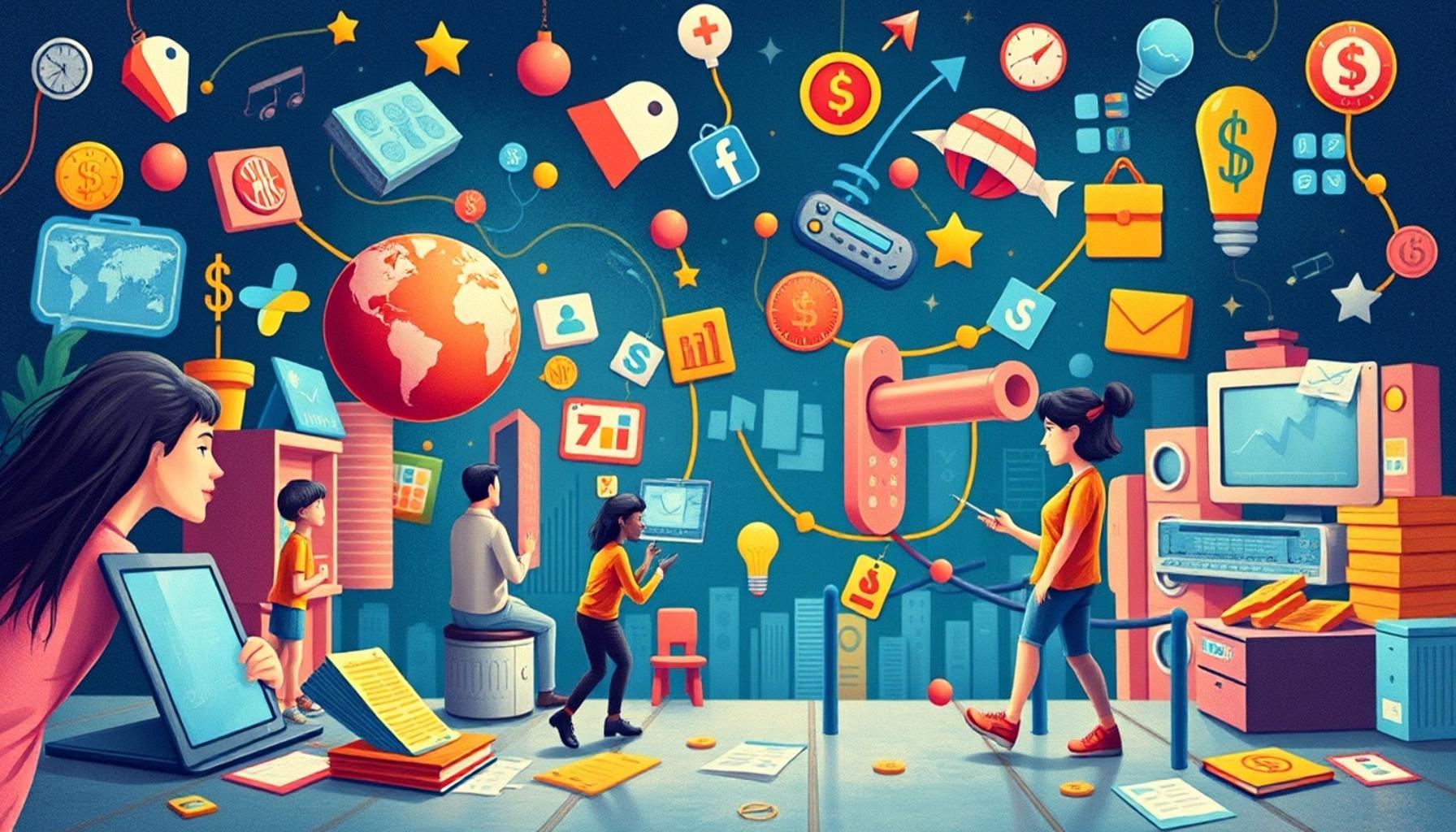
Over the past two decades, social networks have fundamentally transformed how we communicate and interact in both personal and professional spheres. With the advent of various social media platforms, we have moved from static communication methods to engaging, dynamic exchanges that encompass not only text but also images, videos, and even live broadcasts. This evolution signifies a shift not just in the tools we use but also in our expectations of communication.
Key advancements have played a pivotal role in this transformation:
- Platforms like Facebook, Twitter, and Instagram: These sites have experienced exponential growth, drawing in millions of users who share their thoughts, photos, and experiences. For example, Facebook allows individuals to create personal profiles, connect with family and friends, and join groups based on shared interests, thus fostering community and relationship-building in ways previously unimagined.
- Instant Messaging and Video Calls: Applications like WhatsApp and Zoom have redefined conversations by making real-time interactions more accessible. For instance, Zoom became a household name during the COVID-19 pandemic, enabling businesses and families to hold meetings and gatherings virtually, thereby bridging the gap created by physical distance.
- User-generated Content: Social media empowers individuals to create and share their own content, shifting the power dynamic from traditional media. This phenomenon is evident in platforms like YouTube, where anyone with a camera can become a content creator and potentially reach a global audience, challenging the traditional gatekeepers of media.
These advancements have introduced both remarkable benefits and notable challenges to modern communication.
- Increased Connectivity: People can connect with others across the globe, fostering relationships that were once impossible. For example, friends and family can share their life milestones in real time, regardless of geographic barriers, making distance feel less isolating.
- Information Overload: The sheer volume of information available on social media can sometimes overwhelm users, blurring the lines between fact and fiction. For instance, the spread of misinformation can lead to confusion during critical events like elections or public health crises, underscoring the need for media literacy.
- Evolving Language: New terminology and communication styles have emerged, creating a unique online culture. The rise of emojis, memes, and abbreviations, such as “LOL” and “BRB,” illustrates how digital communication continues to evolve, influencing how we express ourselves and understand one another.
Understanding this evolution is crucial to navigating today’s communication landscape effectively. It involves recognizing both the positives, like enhanced global connectivity and opportunities for self-expression, and the drawbacks, such as the potential for misinformation and the fast-paced nature of digital interactions. By equipping ourselves with knowledge about these dynamics, we can engage more thoughtfully and responsibly in our digital communications.
DIVE DEEPER: Click here to learn more
The Impact of Social Networks on Interpersonal Communication
The evolution of social networks has had a profound effect on interpersonal communication, altering how we forge relationships, exchange ideas, and interact with one another on a daily basis. In many ways, social media has become the backbone of modern communication, making it essential to understand its influence on personal connections.
One of the most significant changes brought about by social networks is the ability to maintain relationships over long distances. Previously, staying in touch with friends or family members who lived far away required time-consuming phone calls or expensive international letters. Now, platforms like Facebook and Instagram facilitate instant communication, allowing users to share updates and life events in real time. This has paved the way for a new era of relationship maintenance, where geographic distance feels less daunting.
Moreover, these platforms enable the swift exchange of ideas and information, contributing to a more participatory culture. Social networks are not just venues for casual chats; they have evolved into important spaces for debate and discussion. Consider how Twitter allows users to engage directly with influential figures, including politicians and activists. This immediacy can mobilize communities around causes more quickly than traditional media ever could, illustrating a shift toward collective action and grassroots movements.
However, with these advancements come new challenges that affect how we communicate. The very nature of social media encourages behaviors that can sometimes erode the quality of communication. For example, the desire for instant responses can lead to a lack of thoughtful engagement. Text messages sent in haste may miss the nuances of conversation, resulting in misunderstandings or conflicts. This scenario highlights a potential downside of communicating through screens instead of face-to-face interactions.
Additional challenges include:
- Depersonalization of Interactions: Online communication often lacks the emotional depth found in in-person conversations. Non-verbal cues, such as body language and tone of voice, are easily lost in text-based exchanges, making it challenging to convey empathy or understanding.
- Echo Chambers: Social media algorithms tend to show users content that aligns with their interests or beliefs. This can create a filtering effect where individuals are exposed only to viewpoints that reinforce their own, limiting discourse and encouraging polarization.
- Privacy Concerns: As users share more personal information online, the potential for privacy violations increases. This can lead to anxiety over data security and how personal information is used by platforms, impacting how freely individuals express themselves.
As we navigate these changes, it’s vital to develop a nuanced understanding of how social networks can both enhance and complicate communication. By being mindful of these dynamics, we can better engage with our networks and foster meaningful connections in an increasingly digital world.
DISCOVER MORE: Click here to learn about the impact of 5G technology</p
The Role of Social Networks in Shaping Public Discourse
In addition to impacting interpersonal relationships, social networks have emerged as critical platforms for public discourse, allowing individuals to engage with broader societal issues on a scale previously unseen. The ability to share thoughts and opinions with a wider audience has transformed typical communication dynamics and introduced new ways to engage with current events.
One of the most notable outcomes of this evolution is the rise of what is often referred to as citizen journalism. With everyone armed with smartphones and social media accounts, individuals can document and report on events as they happen, often in real time. For example, during significant protests, social media serves as a live feed for coverage, allowing activists to broadcast their experiences and viewpoints directly to a global audience. This democratization of information has the potential to challenge traditional media gatekeepers, giving everyday people a voice in public affairs.
The impact of social networks on public discourse also connects to the phenomenon of viral content, where a single post can reach millions within hours. Memes, hashtags, and trending topics illustrate how ideas can spread rapidly, mobilizing support or fostering awareness around critical issues like climate change or social justice. A potent example is seen with movements such as #MeToo and Black Lives Matter, where social media has amplified marginalized voices and catalyzed widespread mobilization, enabling profound cultural conversations and systemic change.
However, this rapid dissemination of information comes with its own set of challenges. Misinformation can spread just as quickly as accurate news, which can lead to confusion and a misinformed public. Platforms have been criticized for not doing enough to curb the propagation of false narratives, especially during crucial events like elections or public health crises. The “fake news” phenomenon highlights the need for media literacy, as individuals must develop critical thinking skills to navigate the overwhelming amount of information they encounter online.
Moreover, the architecture of social media platforms can inadvertently promote extremist views. Algorithms designed to maximize user engagement often prioritize sensational content, which can create an echo chamber effect. As users interact with more extreme perspectives, they may become increasingly polarized, further entrenching societal divisions and complicating efforts at constructive dialogue. It is essential for individuals to recognize the influence of these algorithms and seek a diverse range of perspectives actively.
Education systems and community organizations play a vital role in addressing these modern communication challenges. By providing resources and training on responsible social media use and critical media consumption, they can empower individuals to discern reliable information from misinformation. Additionally, fostering spaces where people can engage in civil discourse—both online and offline—can help bridge divides and counteract the fragmentation of public opinion.
Ultimately, as social networks continue to evolve, their influence on public discourse shapes not only our understanding of current events but also our collective identity as a society. Recognizing the dual-edged nature of these platforms compels us to engage actively and thoughtfully, ensuring that the conversations we foster online contribute positively to our communities and democracy at large.
DIVE DEEPER: Click here to learn more
Conclusion
In summary, the evolution of social networks has dramatically transformed modern communication, reshaping how we interact, receive information, and engage with society. The rise of social media platforms has empowered individuals with unprecedented opportunities to express their views, participate in public discourse, and hold institutions accountable. This shift has facilitated the emergence of citizen journalism, allowing a more democratic dissemination of information and enabling marginalized voices to be heard on critical issues. Movements like #MeToo and Black Lives Matter exemplify how social networks can mobilize widespread awareness and catalyze social change.
However, the same tools that foster connectivity and engagement also present challenges. The rapid spread of misinformation and the potential for algorithmic polarization highlight the necessity for enhanced media literacy and critical thinking. As individuals navigate these platforms, it becomes crucial to understand the implications of the content they encounter and share. Society must cultivate a culture of responsible social media use, encouraging users to critically evaluate sources and seek diverse perspectives to combat echo chambers.
Furthermore, the role of education systems and community organizations in teaching digital literacy cannot be overstated. These institutions can empower individuals to navigate the complexities of modern communication effectively while also fostering spaces for civil discourse. Looking ahead, as social networks continue to evolve, it is our collective responsibility to ensure they contribute positively to interpersonal relationships, public discourse, and the overall health of our democratic society. By doing so, we can harness their potential to enhance communication while mitigating the risks associated with their use.

Linda Carter
Linda Carter is a writer and expert known for producing clear, engaging, and easy-to-understand content. With solid experience guiding people in achieving their goals, she shares valuable insights and practical guidance. Her mission is to support readers in making informed choices and achieving significant progress.