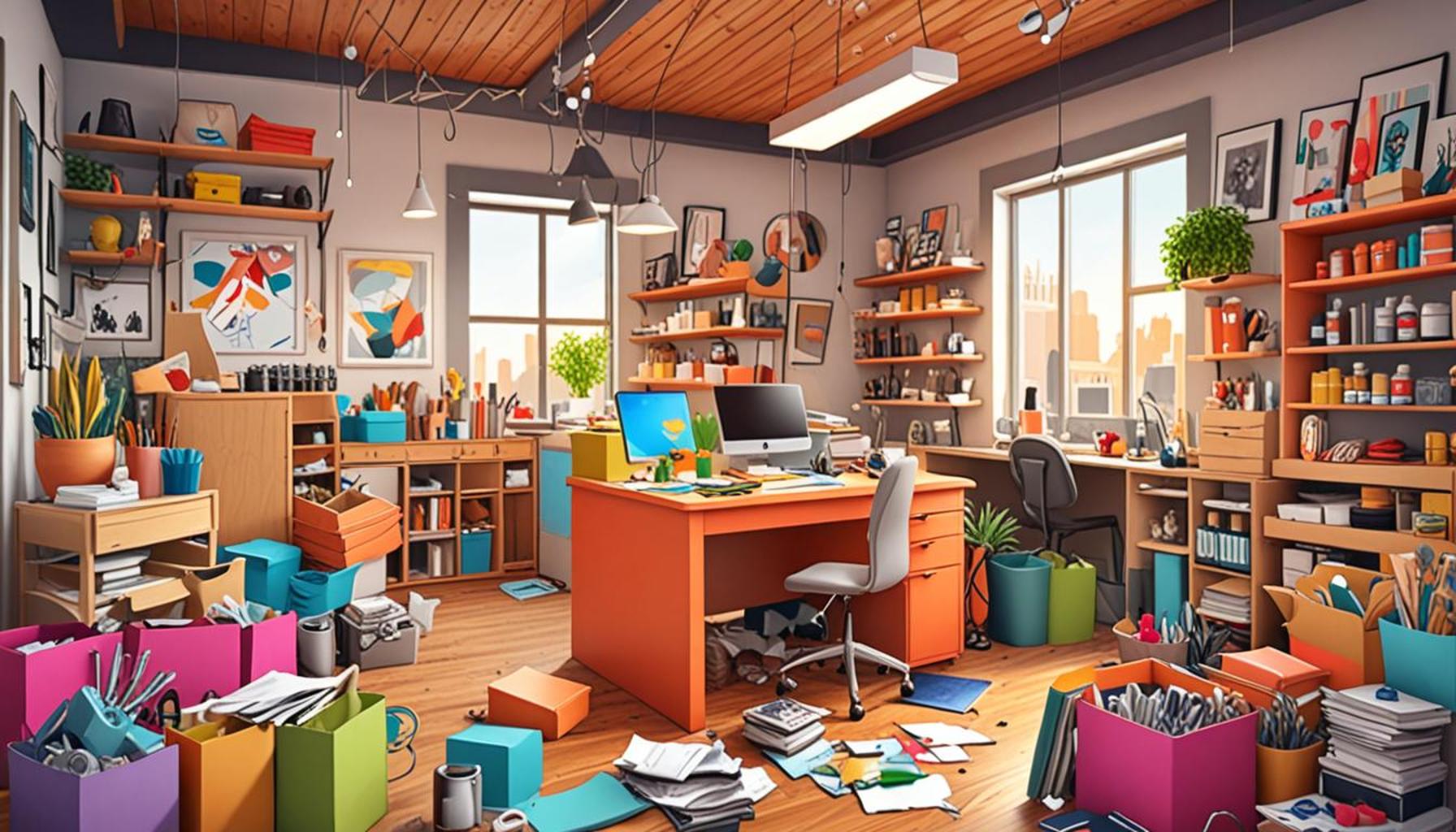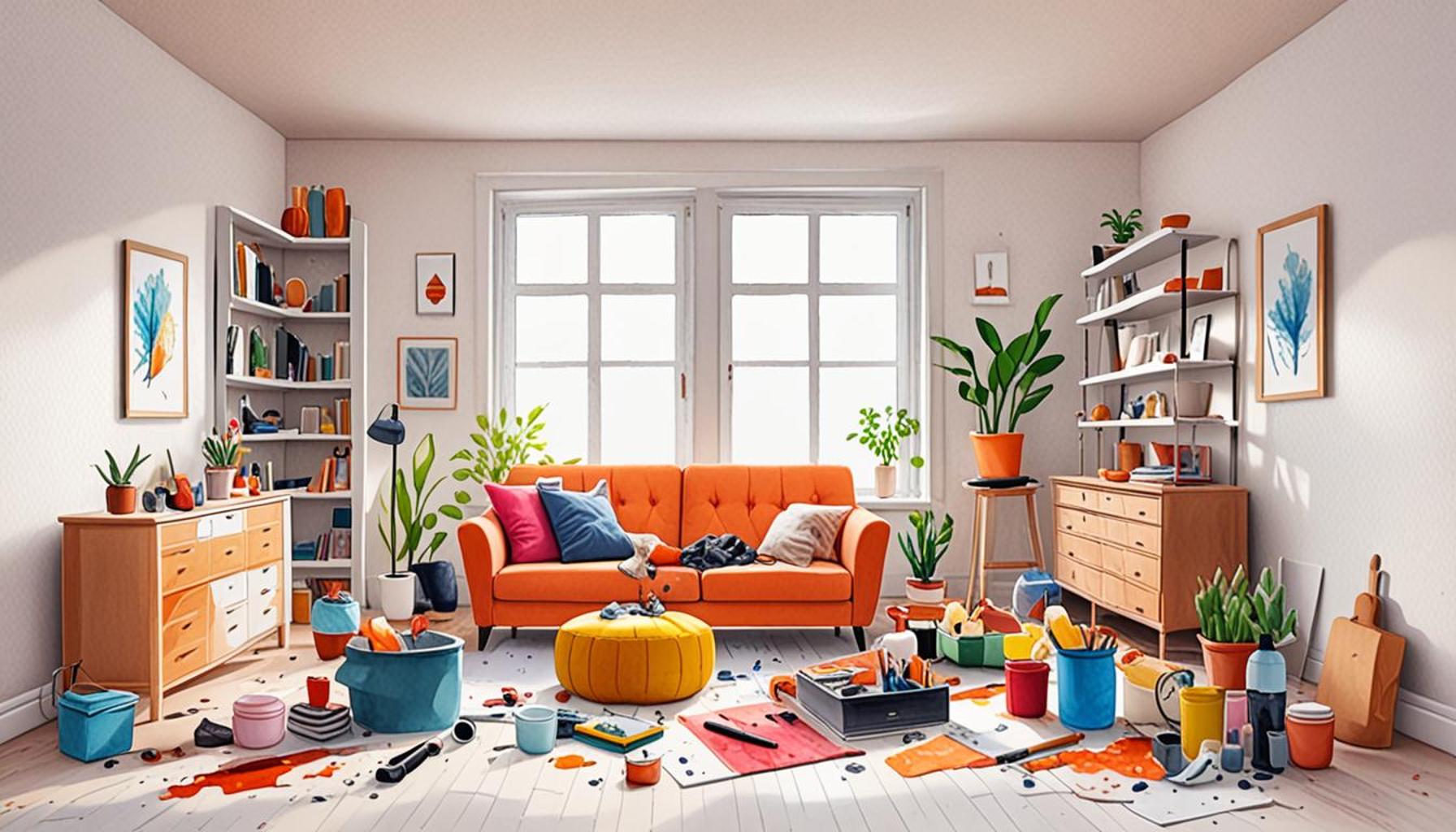
Multifunctional Spaces: How to Optimize Small Environments for Reducing Clutter and Increasing Functionality
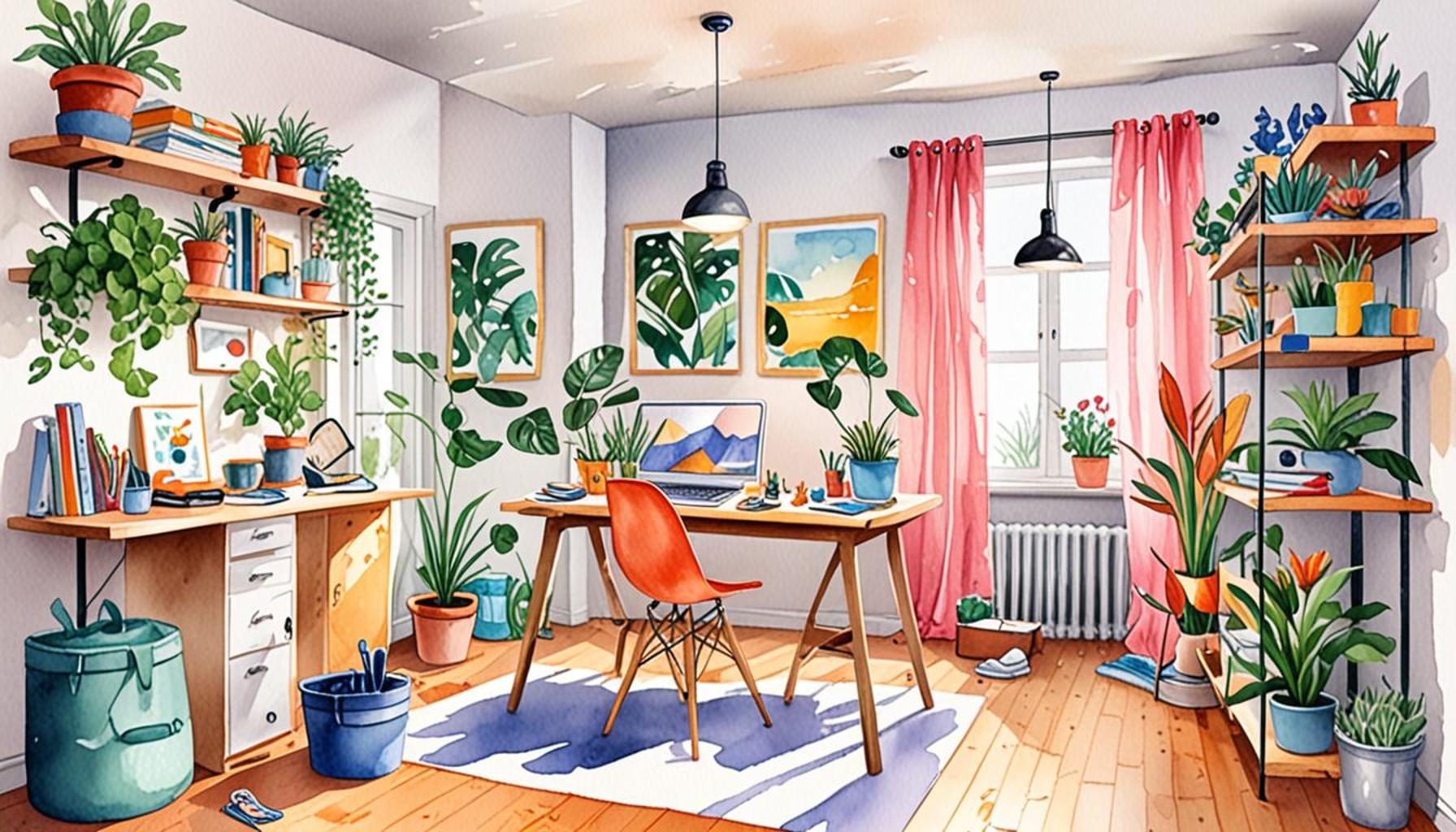
Innovative Design for Compact Environments
As urban areas expand in Nigeria, particularly in vibrant cities like Lagos and Abuja, the demand for small living spaces is on the rise. These compact apartments can pose a challenge, but they also offer a unique opportunity to innovate and create environments that are both practical and stylish.
To navigate the limitations of space, incorporating multifunctional spaces is essential. Each room can be designed with several functions in mind, maximizing efficiency without sacrificing aesthetics. For instance, a living room can seamlessly transform into a workspace during the day and revert to a social area in the evening.
Key Benefits of Multifunctional Spaces
- Space-saving furniture – Investing in items like foldable tables and Murphy beds allows you to easily adapt your living area. A Murphy bed, which folds up against the wall when not in use, can free up valuable floor space, making your room feel larger and less cluttered.
- Smart storage solutions – Explore options like built-in shelves or under-bed storage that utilize vertical space effectively. For example, colorful baskets on shelves can house items such as books or toys while adding a decorative touch. Hidden compartments in furniture further optimize storage, ensuring that every square inch is used wisely.
- Adaptability – Design your spaces to serve multiple purposes. A dining area can double as a work desk, while a small balcony can be transformed into an outdoor reading nook with the addition of a few cushions and plants. This adaptability allows for a lifestyle that can pivot with varying needs, whether hosting guests or working from home.
Moreover, the stylish use of elements such as modular shelving not only provides a place for your belongings but also contributes to the overall design of the room. These shelves can be arranged in numerous ways to reflect personal taste and can be easily updated as needs change. In the fast-paced world of Nigeria, where trends evolve quickly, this adaptability is invaluable.
For many Nigerian families living in compact apartments, resourcefulness becomes an essential skill. By learning how to optimize these smaller living spaces, individuals can create organized environments that promote peace and harmony. Simple design changes can lead to a more functional and enjoyable way of living, allowing for a sense of freedom even within limited square footage.
As we delve further into the realm of multifunctional spaces, exciting practical tips and creative solutions await to inspire your journey in mastering the art of living large in compact settings. Embrace this opportunity to reinvent your living environment and discover the true potential of your home!
RECOMMENDED: Check out this similar article
Creating Functional Areas Within Compact Living
One of the most effective strategies for optimizing small living environments involves rethinking and redefining the purpose of various areas within the home. Instead of viewing each area as a single-function space, consider how these spaces can serve dual or even multiple purposes. This practical approach leads to significant gains in both functionality and aesthetic appeal.
When designing a multifunctional living area, one must consider the flow of movement within the space. This involves arranging furniture and decor in a manner that encourages ease of access and interaction. For instance, positioning a small dining table adjacent to a work desk not only conserves space but also allows for seamless transitions between meals and productivity. Additionally, strategically placing furniture can foster conversation and connectivity, essential elements for social gatherings in small apartments.
Examples of Transformative Multifunctional Solutions
- Convertible Furniture – Items like a sofa that transforms into a bed or an extendable dining table can be real game-changers for small homes. Such pieces offer great flexibility and can be easily adjusted according to the occasion, providing both comfort and utility.
- Sliding Partitions – Utilizing sliding doors or curtains can elegantly separate distinct areas, creating private spaces when needed without taking up permanent space. For example, a curtain can divide a living room from a makeshift office, allowing for focused work time while maintaining an open flow when entertaining.
- Invisible Design Features – Wall-mounted desks or fold-down tables serve as space-saving solutions that vanish when not in use. This approach can facilitate an uncluttered environment, ideal for small Nigerian apartments where every inch counts.
When these multifunctional elements are properly incorporated, one can achieve a home that feels larger, more organized, and vibrant. The combination of style and practicality in multifunctional spaces not only alleviates the feeling of crowding but also promotes a sense of accomplishment. With thoughtful planning, any small living area can be transformed into a dynamic space that adapts to daily life.
Furthermore, the implementation of smart technology in small environments can elevate the functionality of these spaces. Devices such as smart lighting and thermostats can enhance living comfort, while also aiding in energy efficiency. For residents in rapidly developing urban areas in Nigeria, where utility costs can be a concern, these technologies can lead to long-term savings while maximizing the utility of their compact homes.
In summary, recognizing the potential of your space is the first step toward achieving an organized and functional living area. The integration of flexible furniture, adaptable division techniques, and smart technology can serve as the foundation for creating a home where comfort and efficiency coexist, making day-to-day life smoother and more enjoyable.
| Category | Details |
|---|---|
| Smart Storage Solutions | Incorporating built-in shelving or multifunctional furniture can create hidden storage areas while maintaining accessibility. |
| Adaptable Designs | Flexible pieces like foldable tables optimize space and accommodate various activities, enhancing overall usability. |
To further enhance the functionality of small environments, the implementation of smart storage solutions plays a crucial role. Instead of traditional bulky furniture that contributes to clutter, opt for multifunctional pieces that serve dual purposes, such as ottomans with storage inside or coffee tables that unhinge to reveal compartments for organizing items. This not only reduces clutter but also opens up your space, making it appear larger and more inviting.Moreover, adaptable designs are essential in maximizing utility in smaller areas. By including assets like extendable dining tables or modular seating arrangements, you can effortlessly transform your space to meet different needs, whether it’s a family gathering or a quiet evening alone. These innovations allow for seamless transitions without compromising style, making your living area a truly multifunctional space. Utilizing these strategies effectively can lead to a more organized lifestyle, inviting creativity while tackling the challenges of limited square footage. Evaluate your personal space and explore various solutions available in the market to inspire change and enhance your living experience.
LEARN MORE: This related article may interest you
Enhancing Storage Solutions for Maximum Efficiency
The clever use of storage solutions is crucial for maintaining an organized and practical living environment in small spaces. With creativity and planning, small homes can maximize storage capacity without compromising on aesthetics. Unlike traditional approaches of hiding clutter, innovative storage designs can be seamlessly integrated into the decor, ensuring a tidy and inviting ambiance.
Innovative Storage Concepts
- Under-utilized Spaces – Areas such as under the bed, stairs, or even ceiling space can become treasure troves of storage. Beds with built-in drawers or lofted designs free up floor space while providing additional storage, perfect for keeping extra linens or clothing out of sight. In Nigerian homes where space can often be scarce, capitalizing on these areas can greatly alleviate clutter.
- Modular Storage Solutions – Modular units that are customizable can evolve along with the homeowner’s needs. For example, in an ever-changing urban environment, stackable containers or shelves allow residents to adapt their storage solutions to fit their lifestyle, whether that involves storing school supplies for children or equipment for a burgeoning side business.
- Furniture with Hidden Storage – Sofas with compartments and coffee tables that open up to reveal storage can cleverly disguise everyday items. This not only keeps belongings organized but also enhances the room’s overall appearance, making it appear more spacious. In many contemporary Nigerian designs, such innovation can add a touch of modern elegance.
Incorporating such storage features aids in reducing clutter while simultaneously maintaining functionality within the living space. The aesthetic benefit is compounded by the practicality, as adapting to the requirements of daily life becomes considerably easier when everything has a designated spot.
Utilizing Color and Lighting to Create Perception of Space
Another essential aspect of designing multifunctional spaces is the effective use of color and lighting. The right palette can transform a small, cramped space into an open and inviting refuge. Light colors, particularly whites, creams, and pastels, can reflect more light and create an airy feel. Likewise, strategic use of mirrors can enhance the light and create an illusion of depth, making the environment feel less confined.
Lighting plays a pivotal role as well. Natural light is a prime asset; thus, maximizing window exposure is critical. When natural light is minimal, layering different light sources such as task, ambient, and accent lights can create a warm and welcoming atmosphere while revealing beauty in the most compact of homes. Floor lamps or wall sconces that tuck into corners or above furniture can provide illumination without intruding on valuable space.
For those who enjoy vibrant aesthetics, consider using multifunctional decorative elements like brightly colored cushions, artwork, or wall plants that can also serve as storage or organizational tools, further enhancing both beauty and function.
As small living spaces become the norm in Nigerian urban centers, the principles of multifunctionality, effective storage solutions, and intentional design choices in color and lighting are paramount. These strategies ensure that residences are not only efficient but also reflect personal style and comfort. Embracing these concepts can fundamentally change how individuals experience their compact homes, facilitating a lifestyle characterized by both ease and elegance.
ADDITIONAL INSIGHTS: Expand your understanding here
Conclusion: Embracing the Future of Space Optimization
In an ever-evolving urban landscape where space is often a luxury, the need to create multifunctional spaces is more critical than ever. The strategies discussed throughout this article demonstrate that transforming small environments into organized havens requires a thoughtful approach to both storage solutions and design aesthetics. By exploiting under-utilized spaces, opting for modular storage options, and investing in furniture with hidden storage capabilities, homeowners can significantly enhance their living experience.
Moreover, the intentional application of color and lighting not only contributes to the visual appeal of these spaces but also plays a pivotal role in shaping the perception of openness and airiness. Light colors and strategic illumination can breathe life into compact environments, creating a sense of comfort and style that resonates with the essence of modern Nigerian living.
As we look towards the future, it is essential to recognize that designing for small spaces is not merely about reducing clutter; it is about maximizing functionality while integrating individual personality into the home. Each choice—from decor to storage solutions—should reflect lifestyle needs without sacrificing aesthetics. By embracing these innovative techniques, individuals can make profound changes to how they interact with and enjoy their living spaces, ultimately fostering a serene and sophisticated atmosphere. The journey towards optimizing space is an ongoing one, inviting a continuous exploration of creativity and practicality in every home.