How Minimalism Can Influence the Choice of Materials and Colors in Residential Spaces

The Essence of Minimalism in Home Design
At its core, minimalism is more than just a design trend; it is a lifestyle and mindset that encourages individuals to focus on what truly matters. The minimalist philosophy invites homeowners to strip away excess and distractions, allowing for environments that inspire clear thinking and tranquility. This simplicity does not equate to emptiness; rather, it celebrates the beauty of functionality and intentional design. By embracing minimalism, homeowners are equipped to establish a more serene and efficient living space.
In a country like Nigeria, celebrated for its vibrant cultures, intricate patterns, and rich textile heritage, minimalism may initially appear to clash with traditional aesthetics. However, the integration of minimalist principles can lead to innovative residential designs that encapsulate both cultural essence and modern tranquility. The following key aspects illustrate how minimalism can be effectively implemented:
- Natural Materials: Elements such as wood, stone, and clay create a grounded atmosphere, bridging modernity and traditional craftsmanship. For instance, using locally sourced timber for furniture or incorporating clay pottery can enhance visual appeal while promoting sustainability.
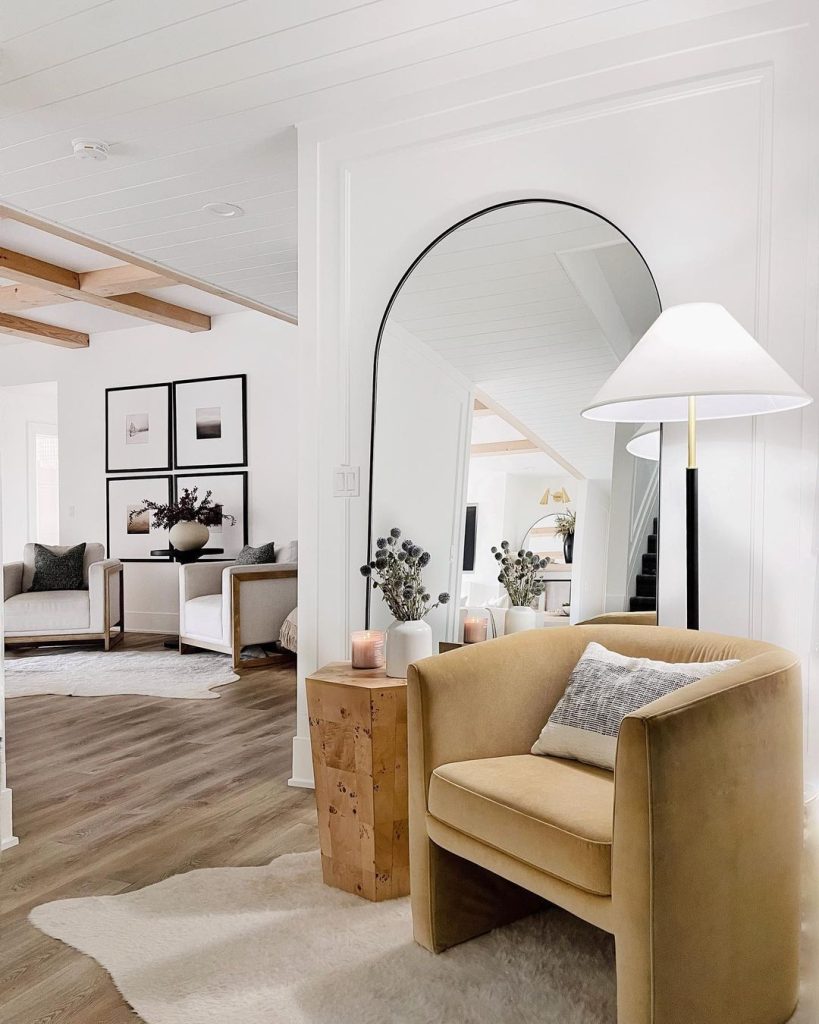
- Neutral Colors: A palette dominated by whites, greys, and soft earth tones can transform any space by creating an illusion of spaciousness. These colors absorb and reflect light differently, making rooms feel airy and more expansive. Imagine a living room adorned with beige walls, accented by simple wooden shelves and a few colorful Nigerian artworks that provide focal points without overwhelming the senses.
- Functional Furniture: The selection of multi-purpose furniture is crucial in minimalist design. Consider pieces that serve dual functions, such as a sofa bed for guests or a coffee table with storage. This approach maximizes space while keeping the aesthetic clean and uncluttered.
Adopting a minimalistic perspective can pivotally transform a home, encouraging a lifestyle rooted in mindfulness and intentional choices. Thoughtful material selection can also contribute to a sustainable lifestyle. For instance, opting for energy-efficient appliances and environmentally friendly décor can significantly reduce waste and lower energy costs, aligning with global efforts towards sustainability.
Moreover, delving deeper into the relationship between material choice and color selection can lead to more personalized and functional homes. Homeowners can consider incorporating local materials that resonate with their cultural identity while maintaining the essence of minimalism. This balance fosters spaces that are not only aesthetically pleasing but also reflective of personal stories and heritage, ultimately creating a sanctuary that embodies peace and clarity.
As more Nigerians embrace minimalism, the dialogue surrounding design continues to evolve. Whether you are redesigning a single room or an entire home, focusing on simplicity and functionality allows for a profound transformation that can enhance both everyday living and overall well-being. The journey into minimalism invites each homeowner to discover a refreshing path to serenity amidst the chaos of modern life.
LEARN MORE: This related article may interest you
Choosing Natural Materials for a Serene Space
One of the most striking elements of minimalism is its strong emphasis on natural materials, which play a pivotal role in shaping the ambiance of residential spaces. By prioritizing organic materials like wood, stone, and clay, homeowners can create a warm, inviting environment that harmonizes with natural surroundings. These materials not only enrich the aesthetic appeal but also provide a tactile experience that modern synthetic options often lack.
In Nigeria, where locally sourced timber is prevalent, utilizing materials such as hardwood for flooring or furniture can add a layer of authenticity to a minimalistic design. For instance, a living area adorned with a sleek, handmade wooden dining table juxtaposed against clay pots can create a stunning visual effect that celebrates both minimalism and the traditional artistry of the region. This thoughtful melding of modern design with local craftsmanship not only enhances the beauty of the home but also strengthens ties to cultural heritage.
The Impact of Color on Space Perception
Equally important is the color scheme in a minimalist environment, which plays a crucial role in influencing the perception of space. A well-curated palette dominated by soft, neutral tones such as whites, greys, and gentle earth shades can foster a calming atmosphere, inviting peace and clarity into the home. In contrast, overly vibrant or bold colors can create visual clutter, detracting from the serenity that minimalism aims to achieve.
Imagine transforming a typical Nigerian home with a palette of creamy beiges and pale greens. These soothing hues can evoke a sense of spaciousness, making rooms feel larger and more open. Consider a bedroom painted in a pale cream, where the natural light reflects beautifully off the walls, complemented by simple wooden furniture and soft linens. Such a setting encourages relaxation and rejuvenation, essential elements that many seek in their residential spaces.
- Balance and Harmony: By selecting light and neutral colors, homeowners can strike a balance that reduces the eye’s tendency to dart around a room.
- Light Reflection: Neutral colors are excellent at reflecting light, making spaces appear brighter and more inviting.
- Incorporating Accent Colors: Minimalism does not shy away from color; rather, it utilizes accent colors to introduce personality without overwhelming the space.
This nuanced interplay between materials and colors within a minimalist framework allows for a cohesive living environment that showcases individual personality while maintaining essential simplicity. By consciously selecting materials and colors that promote tranquility, homeowners not only enhance their spatial experience but also contribute to a more mindful and sustainable lifestyle.
As the desire for minimalist living continues to gain traction in Nigeria, the exploration of these elements reveals the profound impact they have on both aesthetic value and personal well-being. Embracing minimalism is more than a design choice; it is a transformative journey toward a simpler, more intentional way of living.
| Advantages of Minimalism | Impact on Design Choices |
|---|---|
| Simplified Aesthetics | Promotes clean lines and open spaces, enhancing the feeling of spaciousness. |
| Sustainable Choices | Encourages the selection of sustainable, high-quality materials that are not only eco-friendly but also timeless. |
| Calming Color Palettes | Inspires the use of neutral colors that create a serene environment, contributing to mental well-being. |
| Focus on Functionality | Emphasizes choosing materials that serve a clear purpose without unnecessary embellishments. |
In the quest for a residential space that radiates tranquility and sophistication, minimalism serves as a transformative philosophy. Its influence reaches beyond mere aesthetic preferences; it guides the choice of materials and colors, steering us toward a more intentional living environment. With the emphasis on *streamlined aesthetics*, homeowners are increasingly drawn to clean lines and open spaces that not only look appealing but also foster an air of spaciousness and comfort.Furthermore, the minimalistic approach encourages sustainable practices, urging individuals to select *eco-friendly materials* that are inherently durable and timeless. Such choices contribute to a home that is not just aesthetically pleasing but also sustainable. The application of calming color palettes, predominantly featuring neutral tones, enhances the overall serenity of the environment, making it a space conducive to relaxation and mindfulness.Ultimately, embracing minimalism results in a focus on functionality over extravagance, ensuring that every design element fulfills a purpose, thereby transforming residential spaces into harmonious sanctuaries.
ADDITIONAL INSIGHTS: Expand your understanding here
Embracing Functionality through Material Selections
Another core principle of minimalism is the emphasis on functionality, which directly influences the selection of materials in residential spaces. Minimalist design seeks to remove unnecessary distractions and focus on essential elements that enhance everyday living. This often manifests in the use of multi-functional items and thoughtful design choices that maximize utility while minimizing clutter.
In Nigeria, where pragmatic living is often required due to space constraints, the integration of materials that serve multiple purposes becomes invaluable. For instance, a coffee table made from reclaimed wood can double as a storage unit, allowing homeowners to stow away items that might otherwise contribute to a cluttered environment. Similarly, modular sofas constructed from versatile fabrics allow for adaptability in living spaces, effortlessly transitioning from a cozy seating area to a spacious lounge for gatherings.
- Innovative Textiles: Textiles that offer durability while remaining easy to clean are perfect for a minimalist approach, providing both aesthetic appeal and practicality.
- Clarity and Purpose: Choosing materials that are purpose-driven, such as polished concrete or matte finishes, can reinforce the minimalist ethos by promoting a streamlined look.
- Local Innovation: Nigeria’s textile industry offers unique options like handwoven fabrics that add character to a minimalist design without overpowering it.
The pursuit of functionality goes beyond mere aesthetics; it delves into the behavioral patterns of occupants as well. By selecting materials that promote an organized lifestyle, homeowners can foster a more peaceful living environment that aligns with minimalist ideals. For example, open shelving made from steel and wood not only showcases curated items but also encourages homeowners to reduce excess by promoting conscious choices about what to display.
Color Psychology in Minimalism
Furthermore, the colors used in a minimalist setting are not merely decorative; they evoke psychological responses that can influence mood and behavior significantly. This aspect is particularly vital in a country like Nigeria, where vibrant cultural expressions often dominate the visual landscape. However, minimalism invites a fresh perspective on color use, advocating for a careful selection that promotes mental clarity and tranquility.
Research indicates that colors like blue and green are associated with feelings of calm and serenity. Incorporating these shades into a Nigerian home—perhaps through soft-painted walls or accent pieces made from local crafts—can elevate the overall ambiance. Envision a serene living space with deep green accents complemented by natural wooden frames, inviting nature within, and creating a balanced flow of energy that aligns with minimalist principles.
- Subtle Contrasts: Introducing slight variations in shades, such as pairing a pale gray with a dusty blue, can inject character without overwhelming the senses.
- Layering Textures: Combining various textures—smooth walls alongside rough wood—can create visual interest while maintaining a minimalist ethos.
- Cultural Significance: Using colors that reflect local heritage, like earthy browns or warm yellows, can connect the home to its environment while adhering to minimalistic principles.
As the global interest in minimalism continues to shape modern living spaces, the thoughtful selection of materials and colors reveals an array of opportunities for creating tranquil, functional environments. Exploring local options and embracing culturally significant elements further enriches this journey, allowing homeowners in Nigeria to cultivate residential spaces that are both aesthetically pleasing and deeply reflective of their values.
ADDITIONAL INSIGHTS: Expand your understanding here
Conclusion: A Harmonious Blend of Functionality and Aesthetics
In summary, embracing minimalism in residential design extends beyond mere decor; it profoundly influences the choice of materials and colors, resulting in spaces that are both functionally efficient and visually comforting. By prioritizing functionality, homeowners can select materials that serve dual purposes, like multifunctional furniture and durable textiles that withstand everyday use while remaining easy to maintain. This practicality is particularly relevant in regions like Nigeria, where space is often limited and resourcefulness is essential.
Equally, the deliberate selection of colors contributes significantly to creating an environment that promotes mental clarity and tranquility. By integrating soothing shades such as blue and green, alongside local cultural hues reflective of Nigerian heritage, a minimalist space can evoke serenity amidst the vibrant backdrop of daily life. The artful combination of textures and subtle color contrasts enhances visual interest without detracting from the essence of minimalism.
Ultimately, the journey toward a minimalist residential space invites homeowners to reflect on their values and personal aesthetics. It encourages a conscientious approach to design—one that champions simplicity, intentionality, and harmony with both the environment and local culture. As minimalism continues to influence contemporary living, the potential to create smart, beautiful spaces that resonate deeply with personal identity invites exploration and innovation in material and color choices.