How Credit Card Reward Programs Can Maximize Your Savings

Unlocking Financial Benefits
Many Canadians overlook the potential of credit card reward programs, missing out on opportunities to save money. These rewards can significantly enhance your purchasing power and lead to substantial savings over time. Understanding how to leverage these programs is essential.
Credit card rewards can come in various forms, such as:
- Cash Back: This type of reward allows you to earn a percentage of your spending back, which can be applied to your balance or redeemed for other rewards. For instance, if your card offers 2% cash back and you spend $1,000 in a month, you would earn $20 in cash back. Over a year, that can add up to a significant amount—especially for frequent shoppers or those paying everyday expenses like groceries or gas.
- Travel Points: Many Canadians enjoy traveling, and credit card companies have built programs to reward this passion. For example, with travel points, you can accumulate points that can be redeemed for flights, hotel stays, or even car rentals. Some cards offer bonus points for booking travel through their portals, which can accelerate how quickly you earn free trips. Just imagine using your everyday spending to cover your next family vacation or weekend getaway.
- Gift Cards: Some credit cards allow you to accumulate points that can be exchanged for gift cards at popular retailers or online stores. This can be particularly beneficial during holidays or special occasions, enabling you to stretch your budget further. For instance, earning a $50 gift card can be the perfect gift supplement for birthdays or special events.
To truly benefit from these rewards, it’s important to take advantage of their features to maximize savings on everyday purchases. Here are some practical tips:
- Choose a card that matches your spending habits: For example, if you frequently dine out, look for a card that offers higher rewards for restaurant purchases. This way, your everyday spending translates into savings.
- Pay your balance in full each month: This is crucial, as carrying a balance can result in interest charges that negate any rewards you earn. By paying off your balance, you ensure that the rewards are truly beneficial to your financial situation.
- Take advantage of sign-up bonuses for extra rewards: Many credit cards offer attractive bonuses for new users, such as earning a substantial amount of points after making a specified number of purchases within the first few months. This can give your reward accumulation a significant boost right from the start.
When used wisely, credit card reward programs can be a valuable tool in your financial toolkit. By regularly assessing your personal spending habits and aligning them with the right rewards program, you can enhance your budget and achieve your financial goals. Whether it’s saving on groceries, financing a travel adventure, or buying gifts, smart utilization of these rewards can lead to a more fulfilling financial journey.
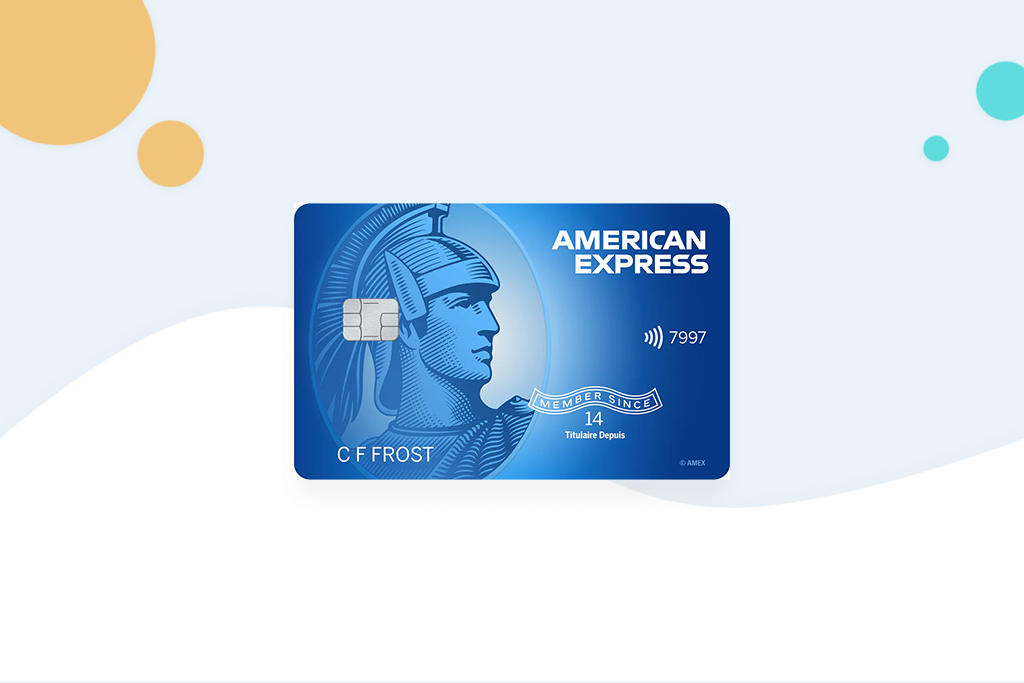
DISCOVER MORE: Click here to learn how to apply for the Amex SimplyCash Preferred Card</
Understanding Reward Structures
To maximize the potential savings from credit card reward programs, it’s essential to understand how different reward structures work. Each credit card company has its way of processing rewards, and knowing these specifics can help you make informed decisions about which card aligns best with your financial habits.
The rewards you earn can typically be categorized into several types, each serving different needs and preferences. Here are some common categories:
- Flat Rate Rewards: These cards offer a consistent percentage back on all purchases. For example, a card might provide 1.5% cash back on every purchase, regardless of where you shop. This is an excellent choice for those who prefer simplicity and do not want to track different spending categories.
- Tiered Rewards: Here, the card offers varying reward rates based on spending categories. For instance, you could earn 3% on groceries, 2% on restaurants, and 1% on all other purchases. This type is ideal for savvy spenders who can plan their purchases to maximize points in their highest earning categories.
- Rotating Categories: Some cards feature quarterly rotating categories that boost rewards for specific spending areas during certain months. For example, a credit card might offer 5% back on gas purchases from January to March, but only 1% afterwards. While this can lead to impressive savings if you keep track, it requires more management on your part.
- Bonus Categories: Many cards include bonus rewards in categories that appeal to a majority of consumers, such as travel, dining, and online shopping. These cards can be beneficial for those who engage in specific types of spending frequently. For instance, if you love to travel, a card that offers 2-3x points on airfare could substantially add to your travel rewards.
Understanding these structures is just the first step; using them effectively can significantly boost your savings. To make the most out of your credit card rewards, consider the following strategies:
- Analyze Your Spending Patterns: Track where you spend the most money. By recognizing your primary spending categories, you can select a credit card that offers the best rewards for those areas. If you tend to spend heavily on dining out, for example, a card with higher rewards for restaurants will enhance your savings.
- Enroll in Loyalty Programs: Many credit cards partner with retailers, airlines, and hotels to provide additional rewards. By linking your credit card to these loyalty programs, you can maximize your point accrual. For instance, buying groceries from a store that partners with your credit card could lead to extra points or discounts.
- Keep Track of Expiration Dates: Some rewards points have expiration dates. Ensure that you regularly check the status of your points and redeem them before they expire. This way, you can avoid losing potential savings and instead use that for your financial advantage.
By fully understanding the different reward structures and incorporating practical strategies into your approach, you can access a wealth of savings opportunities. Whether you’re aiming for cash back, travel points, or other rewards, aligning your card choice with your lifestyle can lead to a more financially rewarding experience.
DIVE DEEPER: Click here to learn more
Timing Your Purchases for Maximum Rewards
Another pivotal aspect of maximizing your credit card reward programs involves strategically timing your purchases. This may sound simple, but understanding seasonal sales trends and aligning them with your credit card’s reward offerings can significantly enhance your savings.
For instance, many stores in Canada have specific sales periods throughout the year—think Black Friday, Boxing Day, or back-to-school season. If your credit card offers increased rewards during these events, you can strategically time your purchases to coincide with these sales, allowing you to stack savings from both the discounts and the elevated rewards. Additionally, using your card for larger purchases during these peak earning periods could translate to substantial bonuses.
Taking Advantage of Sign-Up Bonuses
Most credit cards come with enticing sign-up bonuses that can dramatically increase your rewards in the initial months after account opening. Commonly, these bonuses are structured as a specific number of points or cash back after you spend a certain amount within the first few months. For example, a card might offer 25,000 points after you spend $1,500 in the first three months. This is often enough for a round-trip flight or a significant cashback reward.
By planning your spending around these sign-up bonuses, you can effectively maximize your rewards. This may involve prepaying some bills or making larger purchases within the designated timeframe. Just ensure not to overspend beyond your budget; the goal is to earn rewards without incurring debt.
Understanding Fees and Interest Rates
While focusing on rewards, it’s essential to remember the importance of understanding fees and interest rates associated with credit cards. Some cards may boast impressive rewards but come with high annual fees, which could negate any savings from rewards earned. Consider whether the benefits outweigh the costs. Look for cards with no foreign transaction fees if you plan to travel, for instance, as this can add to your savings when making purchases abroad.
Additionally, keep in mind the potential impact of interest rates. Carrying a balance on your credit card can quickly erode the benefits of any rewards earned, so it’s crucial to pay off your balance in full each month. The goal is to make your credit card work for you, not the other way around.
Utilizing Credit Card Stacking
One advanced strategy involves credit card stacking, where you use multiple cards to maximize rewards even further. This means strategically using cards that cater to different spending categories. For example, you might use one card for groceries that provides higher cash back while using another for gas. By leveraging the strengths of various cards, you can effectively earn rewards at higher rates in different categories.
Furthermore, pairing your credit card rewards with other promotions, such as cash-back websites or apps, can boost your overall savings. For example, if you earn 5% cash back using a specific card at a participating store, and that store also offers an additional 2% cash back through a rebate site, you would enjoy an impressive 7% total back on that purchase. This kind of stacked saving can accumulate significantly over time.
By implementing these strategies—timing your purchases, taking advantage of bonuses, comprehending fees and rates, and utilizing card stacking—you can navigate the world of credit card rewards effectively and maximize your savings potential.
DISCOVER MORE: Click here to learn how to apply
Conclusion
In summary, navigating the world of credit card reward programs can seem overwhelming, but when approached with a strategic mindset, it can open doors to significant savings. By timing your purchases to align with seasonal sales and maximizing sign-up bonuses, you can amplify the rewards you earn while making essential purchases. Additionally, maintaining a keen awareness of fees and interest rates ensures that the benefits of your rewards aren’t overshadowed by unnecessary costs. Remember, it’s not just about earning points; it’s about making smart financial decisions that enhance your purchasing power.
Utilizing credit card stacking additionally allows savvy consumers to capitalize on varying rewards across multiple cards, turning everyday spending into extraordinary savings. Pairing these strategies with extra promotions can compound your rewards, creating a substantial value over time. As you explore credit card options tailored to your lifestyle, keep in mind the importance of responsible spending—only charge what you can afford to pay off each month. Your credit card should empower you, acting as a tool for savings rather than debt.
Ultimately, harnessing the power of credit card reward programs requires a blend of education, planning, and discipline. By adopting these practices, you’ll find yourself on the path to reaping the rewards and maximizing your savings like never before, transforming routine expenditures into opportunities for greater financial benefits.