Menu

The Importance of Spatial Detoxification in Minimalism Practice

The article emphasizes the significance of spatial detoxification in minimalism, highlighting how decluttering enhances mental clarity, emotional well-being, and sustainable living. It addresses unique cultural challenges in Nigeria, advocating for mindful consumption and organized environments that foster deeper relationships and reduce anxiety, ultimately leading to a fulfilling minimalist lifestyle.

Vertical Storage Techniques to Maximize Limited Spaces

As urban living spaces shrink, vertical storage techniques emerge as essential solutions for maximizing limited spaces. These strategies enhance organization, accessibility, and aesthetics, enabling homeowners to utilize every inch creatively. From wall-mounted shelves to multifunctional furniture, vertical storage transforms cluttered homes into stylish, efficient environments, reflecting personal style and promoting functionality.

Minimalist Decorating Strategies to Create Cozy and Optimized Environments

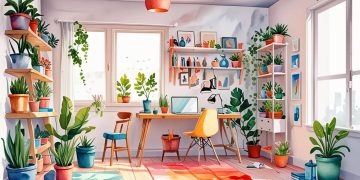
Embrace minimalism to transform urban spaces into cozy, optimized retreats. By prioritizing multifunctional furniture, natural elements, and a thoughtful color palette, you can create serene environments that enhance focus and personal expression. This approach fosters peace and connection while reflecting individual values and lifestyle.

The Influence of Nigerian Culture on Minimalism and Personal Organization

Nigerian culture significantly shapes minimalism and personal organization, emphasizing intentional living, communal values, and mindful consumption. This cultural fusion promotes simplicity and quality over quantity, encouraging individuals to prioritize meaningful experiences and connections, thereby enriching their lives through a modern yet heritage-rooted minimalist approach.

How Technology Can Facilitate the Organization and Optimization of Minimalist Spaces

Discover how technology enhances minimalist living by streamlining organization and optimizing space. Smart storage solutions, automated systems, and digital decluttering tools empower individuals to create serene environments. Embrace innovative apps and devices to foster intentionality, reduce clutter, and improve overall quality of life while enjoying a minimalist lifestyle.

The Impact of Natural Light on the Perception of Minimalist and Organized Spaces

Natural light significantly enhances the perception of minimalist and organized spaces, fostering emotional well-being and spatial clarity. By emphasizing openness, light colors, and reflective surfaces, it transforms environments, promoting tranquility and creativity. Embracing natural light is essential for creating harmonious living spaces that resonate with functionality and aesthetic appeal.

Spatial Organization Techniques for Shared Environments: The Challenge of Minimalism in Family

Families face unique challenges in organizing shared environments, especially amidst the rise of minimalism. Effective spatial organization techniques, such as multifunctional furniture and creative storage solutions, can harmonize individual needs while fostering collective identity and cultural heritage, ultimately enhancing daily life and promoting a tranquil, functional home atmosphere.

The Intersection of Minimalism and Sustainability in Space Optimization

This article explores how minimalism and sustainability converge to optimize space in urban environments, particularly in Nigeria. It highlights innovative living solutions like tiny homes and co-living arrangements that enhance functionality, reduce clutter, and foster community, while promoting eco-friendly practices for a responsible and harmonious future.

How to Implement the ‘Less is More’ Philosophy in Home Office Workspaces

Creating a simplified home office enhances productivity and focus by embracing the 'Less is More' philosophy. Adopting minimalist furniture, streamlined decor, and organized technology reduces clutter and stress. This intentional approach cultivates a serene workspace that fosters creativity, essential for thriving in today's remote work environment.

How Minimalism Can Influence the Choice of Materials and Colors in Residential Spaces

The article explores how minimalism shapes material and color choices in residential design, emphasizing natural materials and neutral palettes to create serene, functional spaces. It highlights the importance of sustainability, cultural identity, and intentionality, ultimately transforming homes into harmonious sanctuaries that reflect personal values and enhance well-being.