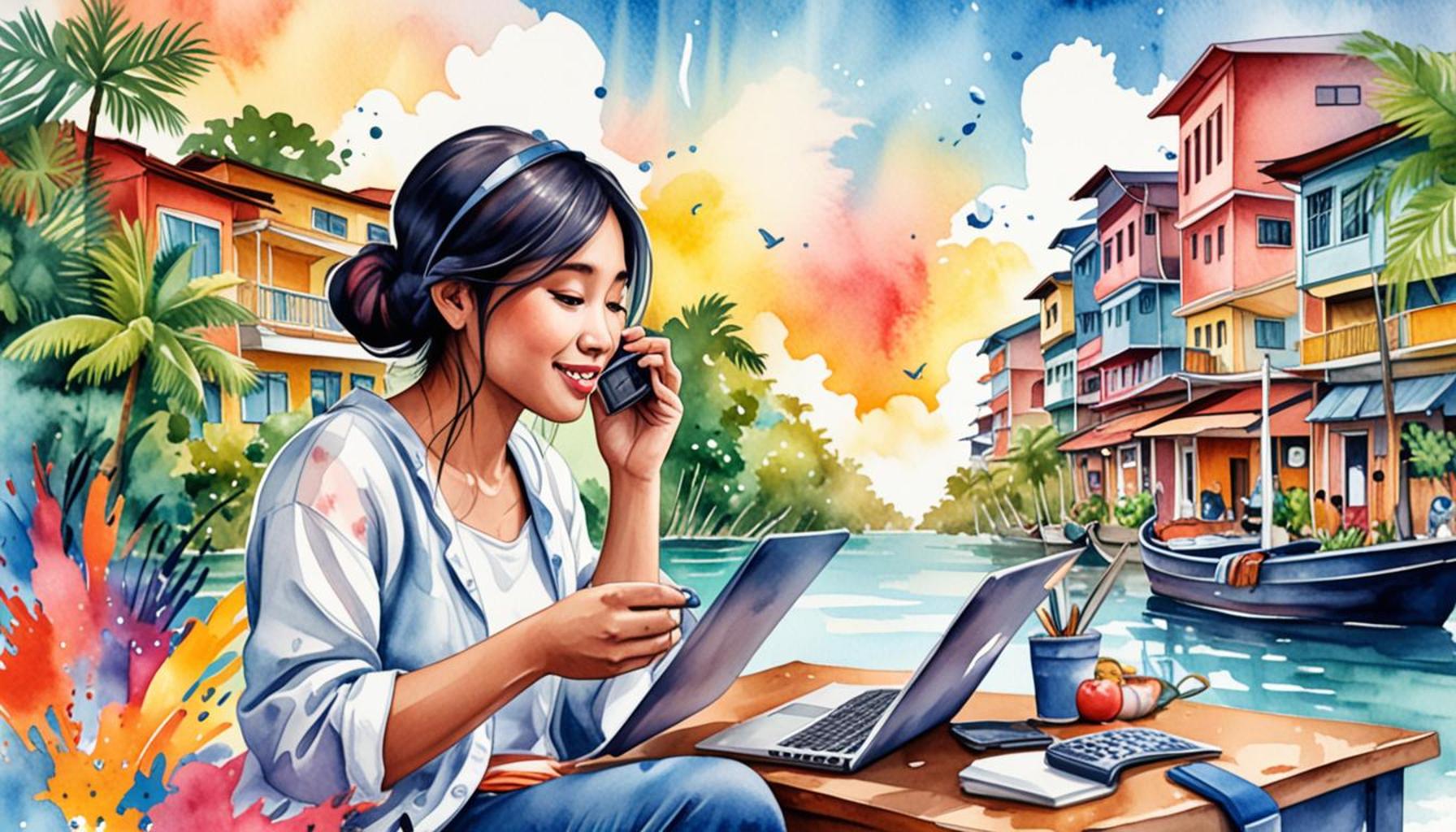
Analysis of Social Media Usage Trends Among Different Generations in the Philippines
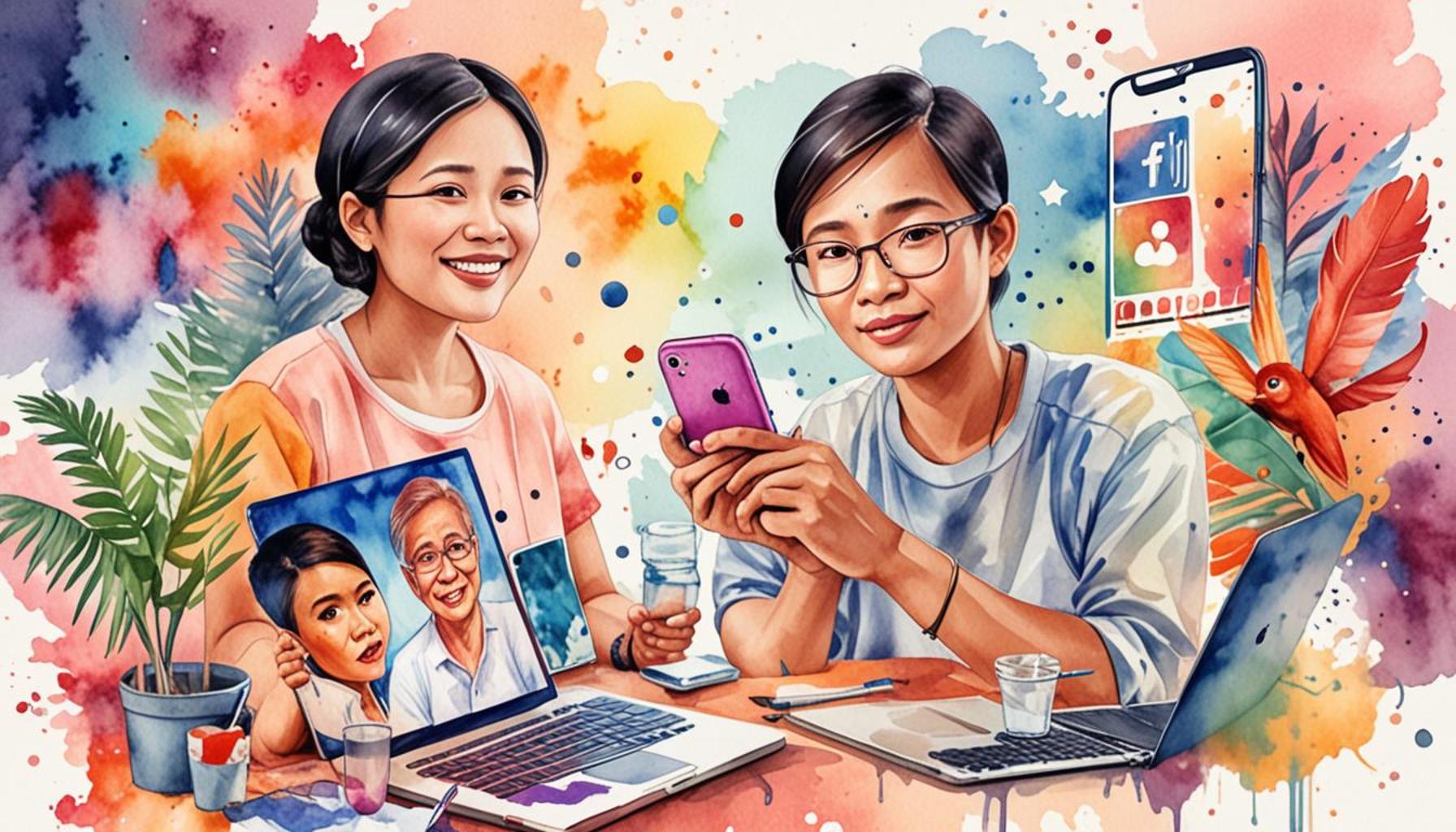
The Impact of Generational Trends on Social Media Engagement
As the digital landscape continues to evolve in the Philippines, social media has become a fundamental part of everyday life, shaping the way different generations interact and express themselves. Understanding how each generation uses these platforms provides valuable insights into their unique behaviors, preferences, and motivations. This knowledge is increasingly important for businesses, marketers, and families looking to communicate effectively in this fast-paced digital age.
Generation Z: The Trendsetters
Generation Z, those born roughly between 1997 and 2012, are at the forefront of social media trends, often seen leading the charge in digital innovation. This generation favors platforms like TikTok and Instagram, where they can express their creativity and individuality through short, engaging videos. The emphasis on visual content allows them to showcase their talents, connect with like-minded individuals, and even drive social change. For example, many Filipino youth use TikTok not just for entertainment but to create awareness about pressing issues like mental health, education, and cultural pride. Their interactive approach translates into a more dynamic engagement, with trends often emerging overnight, showcasing their ability to adapt and influence.
Millennials: The Social Connectors
Meanwhile, Millennials, born between 1981 and 1996, predominantly inhabit platforms like Facebook and Twitter. These platforms serve as vital tools for social connection, allowing them to maintain friendships while also providing opportunities for business networking. In the Philippines, where social ties are paramount, Millennials often share milestones—whether personal achievements or family gatherings—on these platforms to stay connected with loved ones. Businesses targeting this demographic can leverage tools like Facebook Ads to reach users who are constantly on the lookout for products and services that enhance their lifestyle.
Generation X: The Balanced Users
For Generation X, those born between 1965 and 1980, social media usage is characterized by a balanced approach. They typically use Facebook to maintain family connections, sharing updates about their children and significant life events, while also utilizing LinkedIn to foster professional growth. This generation plays a critical role in bridging traditional values with modern technology, demonstrating not just a desire for connection but also an eagerness to leverage social media in building their careers.
Baby Boomers: The Social Sustainers
Lastly, Baby Boomers (born between 1946 and 1964) often find their primary social media presence on Facebook as well. Their use of the platform focuses heavily on maintaining friendships and staying updated with family milestones, such as birthdays and anniversaries. For many Boomers in the Philippines, these digital interactions provide comfort, a sense of community, and an opportunity to reminisce through shared memories. It’s a reminder that social media can transcend generational gaps, fostering connections among different age groups.
As social media continues to transform not just the way we communicate but also the ways we build communities, understanding these generational trends becomes paramount. Each demographic provides a unique lens through which we can view our digital interactions, highlighting the importance of self-expression, social activism, and community building. Recognizing these distinctions enables us to foster deeper connections within our own families and communities.
As we navigate this vibrant digital space, let us embrace the opportunity for growth and connection that social media offers. Responsible engagement not only enriches our personal experiences but also enhances the broader narrative of our society. By remaining mindful of our online presence and interactions, we contribute to creating a responsible digital ecosystem that resonates positively with all generations. Together, we can forge meaningful online connections that inspire, uplift, and enrich our lives.
SEE ALSO: Click here to read another article
Understanding Digital Behavior Across Generations
As we delve deeper into the social media landscape in the Philippines, it becomes clear that each generation exhibits distinct patterns of behavior and interaction. This diversity in usage reflects not only their age but also their upbringing, life experiences, and the values instilled in them. By understanding these nuances, we can foster more meaningful connections, both online and offline.
Engagement Styles: Unique to Each Generation
Social media usage is not just about the platforms themselves; it’s about how different generations engage with these tools. Here are key engagement styles observed among Filipino users across various generations:
- Generation Z: Known for their demand for quick, relatable content, they thrive on platforms that encourage creativity and spontaneity. Their trendsetting nature often leads to viral challenges and movements that resonate strongly with their peers.
- Millennials: This group tends to share valuable content that speaks to their life experiences—whether it’s sharing travel photos or life updates. Their focus is often on building communities and networking through their social circles.
- Generation X: Balancing personal and professional lives, Gen X users typically engage in more curated and thoughtful content. They appreciate shared family moments and professional advancements, utilizing social media platforms as dual-purpose tools.
- Baby Boomers: Their engagement leans towards nostalgic content and personal connections. The ability to stay updated with family and friends through shared milestones becomes a primary motivation for their social media activity.
This cross-generational analysis shows how social media is a reflection of societal changes, bridging gaps between age groups while allowing for personal expression. Each generation has distinctive preferences in terms of content type, platform, and community interaction, which shapes their overall digital footprint.
Additionally, the emotional connection to these platforms cannot be underestimated. For many, social media provides a sense of belonging and support. For instance, it is common for Filipino families to organize virtual gatherings and celebrations through platforms like Facebook, keeping traditions alive despite geographical distances. This is particularly vital in the Philippines, where strong family ties and community bonds have always been central to the culture.
Recognizing these patterns not only informs businesses on how to tailor their marketing strategies but also allows families to better understand each other’s preferences and communication styles. As we move through an era where digital touchpoints are increasingly significant in our daily lives, embracing these generational characteristics becomes essential for fostering harmony and understanding.
In conclusion, mapping the engagement styles among different generations in the Philippines serves as a powerful reminder of how social media can empower connections. When we realize the values and motivations that drive each generation’s online presence, we cultivate a more respectful and inclusive digital environment for everyone.
SEE ALSO: Click here to read another article
The Impact of Social Media on Social Dynamics
Social media has undeniably transformed the fabric of social interactions in the Philippines. Beyond mere engagement, the platforms have become a conduit for shaping opinions, influencing social norms, and even driving collective action. The role of social media as a catalyst for societal change cannot be overlooked, as it provides a space for diverse voices to be heard.
Social Media as a Space for Activism
Among younger generations, particularly Generation Z and Millennials, social media serves as a powerful tool for advocacy. They utilize platforms like Twitter, Instagram, and TikTok to amplify social causes, whether addressing issues like climate change, human rights, or mental health awareness. Campaigns such as the #DuterteLegacy and environmental movements frequently gain traction through these channels, mobilizing young Filipinos who are eager to make their voices count. This wave of activism demonstrates how social media is more than just networking; it is profoundly embedded in the pursuit of change and empowerment.
Social media’s ability to create communities around shared values further enhances its impact. For instance, the rise of mental health awareness initiatives mobilizing users through support groups and campaigns indicates a shift in conversation, paving the path toward a more empathetic society.
Navigating Misinformation: A Responsibility for All Generations
With the vibrant interactions that social media fosters also comes the challenge of misinformation. Different generations tackle this issue with varying degrees of skill and skepticism. While Baby Boomers and Generation X may sometimes struggle to discern the reliability of online information, younger users are generally more adept at analyzing sources and questioning narratives. The rise of fact-checking initiatives and media literacy campaigns in schools and communities highlights the importance of educating all age groups to navigate this digital landscape responsibly.
For example, recent initiatives in the Philippines have introduced workshops aimed at teaching digital literacy, equipping users of all ages to critically evaluate content. This educational approach fosters a culture of informed sharing, encouraging social media users to verify facts before propagating information. Each generation’s role in combating misinformation contributes to a healthier digital ecosystem that benefits everyone.
The Economic Influence of Social Media Marketing
The economic ramifications of social media usage also reflect generational trends. Small businesses, particularly those owned by Millennials and Generation Z, leverage platforms like Facebook and Instagram to promote their products and services. The low-cost marketing options offered by social media provide these younger entrepreneurs with access to larger markets and increased visibility. The rise of e-commerce, especially during the pandemic, has enabled many Filipino business owners to reach local and international customers alike, proving that social media is not merely a tool for social networking but also a vital component of economic survival.
Conversely, it is essential for Baby Boomers and Generation X to recognize the potential benefits of social media for their businesses. By embracing these digital tools, they can expand their audience and presence, ensuring relevance in a rapidly changing market. Collaborative mentorship programs can also help bridge the gap between these generations, sharing insights and tactics for effective engagement.
In essence, social media’s influence is multifaceted, encompassing social activism, economic opportunities, and the importance of responsible usage. It creates a shared space where knowledge and ideas intersect, enabling a powerful exchange that transcends generations. By acknowledging the unique contributions and challenges each generation faces online, we can forge a future where social media continues to serve as a meaningful connector in Philippine society.
SEE ALSO: Click here to read another article
Conclusion
In the vibrant landscape of the Philippines, where tradition and modernity intertwine, social media has emerged as a cornerstone of communication and interaction among different generations. From the passionate activism of Generation Z and Millennials to the cautious engagement of Baby Boomers and Generation X, each age group navigates this digital realm with distinct approaches and experiences. The powerful role of social media not only fosters community and supports advocacy but also shapes economic opportunities, driving entrepreneurship among younger Filipinos.
As we recognize the transformative potential of these platforms, it is crucial to approach them with a sense of responsibility. Misinformation poses a ubiquitous challenge that requires unified efforts across all generations to ensure an informed populace. By fostering digital literacy and cultivating a culture of fact-checking, we empower ourselves and others to share knowledge responsibly.
Looking forward, let us harness the collective power of social media not just for personal gain, but as a tool for advocacy, collaboration, and community building. Embracing the strengths of each generation can lead to innovative solutions that address societal challenges and nurture a more informed and compassionate society. As digital citizens in the Philippines, we carry the responsibility to create a positive impact, using our voices to uplift others and instigate meaningful change. Together, we can shape a future where social media plays a pivotal role in connecting, educating, and inspiring generations to come.