The Influence of the Internet of Things (IoT) on Daily Life: Innovations That Are Connecting Our Homes and Cities
Understanding the Internet of Things
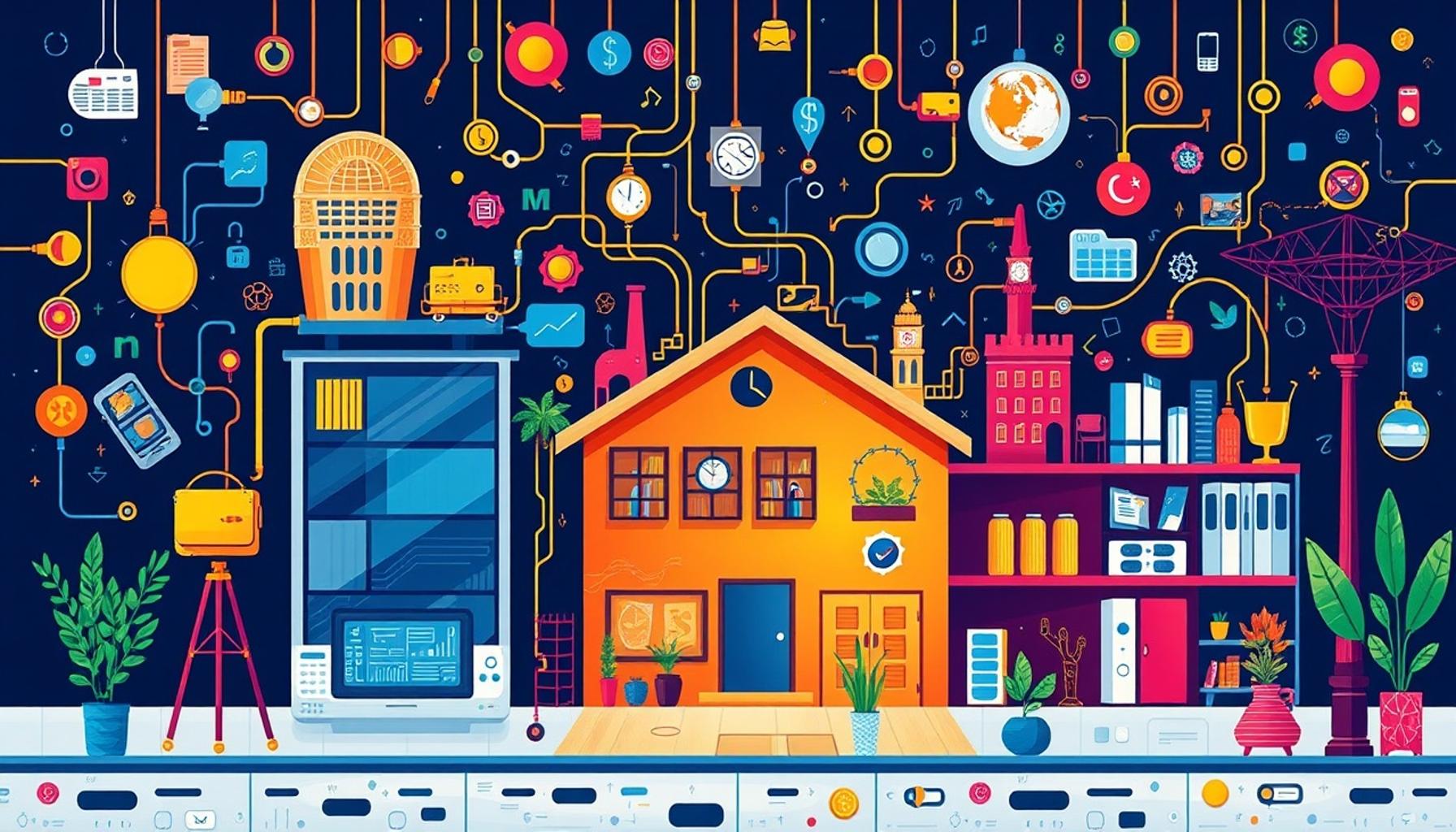
The Internet of Things (IoT) is a revolutionary concept that involves the integration of everyday devices with internet connectivity, allowing them to send and receive data. This interconnectedness not only enhances the functionality of individual devices but also transforms the broader landscape of our daily experiences, making them more convenient and efficient.
In our homes, home automation is a prime example of IoT at work. Imagine waking up and having your smart coffee maker start brewing just as your alarm goes off, while the smart thermostat adjusts the temperature to your preferred setting. By the time you step into the kitchen, the lights illuminate automatically, guided by motion sensors. This kind of seamless operation minimizes the mundane tasks of our morning routines, allowing us to focus on more important matters.
Another critical aspect of IoT is in the field of health monitoring. Wearable devices, such as fitness trackers or smartwatches, have become increasingly popular in recent years. These gadgets not only track physical activities like steps walked or calories burned but also monitor vital signs such as heart rate and sleep patterns. For instance, if your device detects an irregular heartbeat, it can alert your healthcare provider in real-time, ensuring prompt attention. This capability empowers individuals to take charge of their health while providing medical professionals with valuable data to enhance patient care.
Smart Cities and Traffic Management
The impact of IoT extends outside our homes and into the infrastructure of our cities. Traffic management is one area where IoT technologies are making significant strides. Cities are adopting smart traffic lights that adjust to current traffic conditions, allowing for smoother flow and reduced congestion. For example, during peak hours, traffic signals may remain green longer for main thoroughfares and adapt to slower-moving side streets. This not only improves travel times for commuters but also leads to lower greenhouse gas emissions due to decreased idle time at stoplights.
Moreover, smart public transport systems can provide real-time information on arrivals and delays, enhancing the overall commuting experience. With the integration of monitoring systems, public transport authorities can analyze ridership patterns, leading to better service planning and improved operational efficiencies.
As we continue to embrace IoT technologies, it’s essential to recognize their role in enhancing our day-to-day interactions and the management of urban environments. The benefits of real-time data collection and analysis help cities respond proactively to the needs of their residents, leading to improved quality of life and more sustainable environments for future generations.
DISCOVER MORE: Click here for free clothing tips!
Enhancing Daily Life Through Smart Technology
The conveniences brought about by the Internet of Things (IoT) are evident in various aspects of our daily lives, changing the way we interact with our environments. One of the most profound influences can be seen in smart home technology. This innovation includes a wide range of devices that not only make our homes more comfortable but also more energy-efficient and secure. Consider smart lighting systems, which allow homeowners to control their lighting through smartphones or voice commands. These systems can adjust brightness, change colors, and even turn on or off automatically based on the time of day or occupancy. This level of control enhances energy savings and adds convenience to everyday tasks.
Another aspect of smart homes involves security systems. Imagine being able to monitor your home from anywhere in the world using a smartphone app. Smart security cameras, doorbell cameras, and alarm systems can send alerts directly to your phone, allowing you to view live video feeds or receive notifications if any unusual movement is detected. This level of security not only offers peace of mind but can also deter potential intruders, making neighborhoods safer overall.
Revolutionizing Everyday Appliances
Moreover, IoT is profoundly changing the way we approach everyday appliances. Smart refrigerators, for example, can help with grocery management by tracking expiry dates and suggesting recipes based on available ingredients. Imagine preparing a shopping list right on the refrigerator door’s touchscreen, which could even connect to your local grocery store for easy online shopping. This integration simplifies meal preparation and helps consumers minimize food waste, contributing to sustainability efforts.
Here are some other notable innovations in home appliances brought about by IoT:
- Smart Thermostats: These devices learn your heating and cooling preferences over time, automatically adjusting to optimize comfort and reduce energy costs.
- Smart Ovens: With connectivity, these ovens can be preheated remotely, and users receive alerts when their meal is ready, ensuring perfectly cooked dishes every time.
- Robotic Cleaners: Devices like robotic vacuum cleaners can map your home and clean autonomously, giving you more free time while maintaining a tidy space.
In summary, the prevalence of IoT devices in our homes highlights a shift towards a more interconnected lifestyle, where technology works to enhance not just comfort but also efficiency and security. As these innovations evolve, they pave the way for the future of living spaces, making our everyday routines more manageable and enjoyable.
DISCOVER MORE: Click here for tips on getting free clothes
Smart Cities: The Integration of IoT in Urban Living
While smart homes enhance individual lifestyles, the concept of smart cities extends these innovations to urban environments, transforming how we experience public spaces and interact with essential services. IoT technology empowers cities to become more efficient, sustainable, and responsive to the needs of their citizens. A critical area where this transformation is taking place is in traffic management. With the implementation of smart traffic lights equipped with sensors, cities can optimize traffic flow by adjusting signals based on real-time data about congestion. This leads to less time spent in traffic, reduced emissions, and ultimately, improved quality of life for commuters.
Another notable development is in the use of smart waste management systems. IoT sensors can be placed in waste bins to monitor waste levels. This data allows waste collection agencies to perform pickups only when necessary, leading to significant savings in fuel and labor costs. For example, cities like San Francisco have adopted such technologies, contributing to their goals of increasing recycling rates and reducing landfill waste.
Enhancing Public Safety and Health
Health monitoring and public safety are also areas where IoT technologies are making a significant impact. For instance, smart lighting in public areas can improve safety by adjusting its brightness based on the level of human activity detected. Systems that utilize motion sensors can illuminate pathways only when pedestrians are present, not only conserving energy but also enhancing visibility in underlit areas.
In terms of health, various wearable IoT devices are gaining popularity, allowing individuals to monitor vital signs and track their fitness levels. Hospitals and healthcare systems are also adopting IoT solutions to facilitate remote patient monitoring. This technology not only provides doctors with real-time health data but also allows patients to receive timely care without the need for frequent hospital visits. For instance, chronic disease patients can use smart inhalers or wearable glucose monitors that send data directly to healthcare providers, significantly improving patient outcomes.
Environmental Monitoring and Sustainability
Furthermore, IoT is directly contributing to sustainability efforts within cities. Smart environmental sensors can monitor air quality, noise levels, and water quality. These devices gather data that can alert officials and citizens to potential hazards, enabling proactive measures to protect community health. For example, cities plagued by air pollution can adjust traffic patterns or modify industrial operations to mitigate health risks based on real-time data.
Water management systems are also benefiting from IoT technology. Smart irrigation systems can optimize water use by analyzing soil moisture levels and weather forecasts, reducing wastage and promoting responsible consumption. A prime example can be seen in cities that use moisture sensors to ensure that public parks receive the right amount of water, maintaining green spaces while conserving this precious resource.
The integration of IoT into the fabric of urban life not only improves connectivity and efficiency but also creates a more interactive environment, allowing citizens to engage with their cities in meaningful ways. As this technology continues to evolve, its potential to shape the future of urban living becomes increasingly apparent, making cities smarter, safer, and more sustainable.
DIVE DEEPER: Click here to learn more
Conclusion
In conclusion, the Internet of Things (IoT) is profoundly reshaping our daily lives, blending technology seamlessly into our homes and cities. From smart home devices that enhance our comfort and convenience to smart city solutions that foster sustainability and improved public services, IoT is a catalyst for positive change. The innovations we have explored, such as optimized traffic management, efficient waste collection, public safety enhancements, and environmental monitoring, illustrate how these technologies are working to create safer, more efficient, and more sustainable living environments.
As we glance into the future, the potential of IoT continues to inspire exciting possibilities. The integration of these systems is not just about improving individual lifestyles but also about enhancing community well-being. It allows for a more interactive relationship between residents and their environments, empowering citizens to actively participate in the management of their shared spaces. However, it is essential to address challenges such as data security and accessibility to ensure these benefits are enjoyed by all.
Ultimately, the journey of interconnectedness through IoT not only enriches our personal lives but also strengthens the fabric of our urban centers, making them smarter and more resilient. By embracing these innovations, we are collectively paving the way for a future that promises a harmonious blend of technology and everyday living, enhancing our quality of life for generations to come.

Linda Carter
Linda Carter is a writer and expert known for producing clear, engaging, and easy-to-understand content. With solid experience guiding people in achieving their goals, she shares valuable insights and practical guidance. Her mission is to support readers in making informed choices and achieving significant progress.