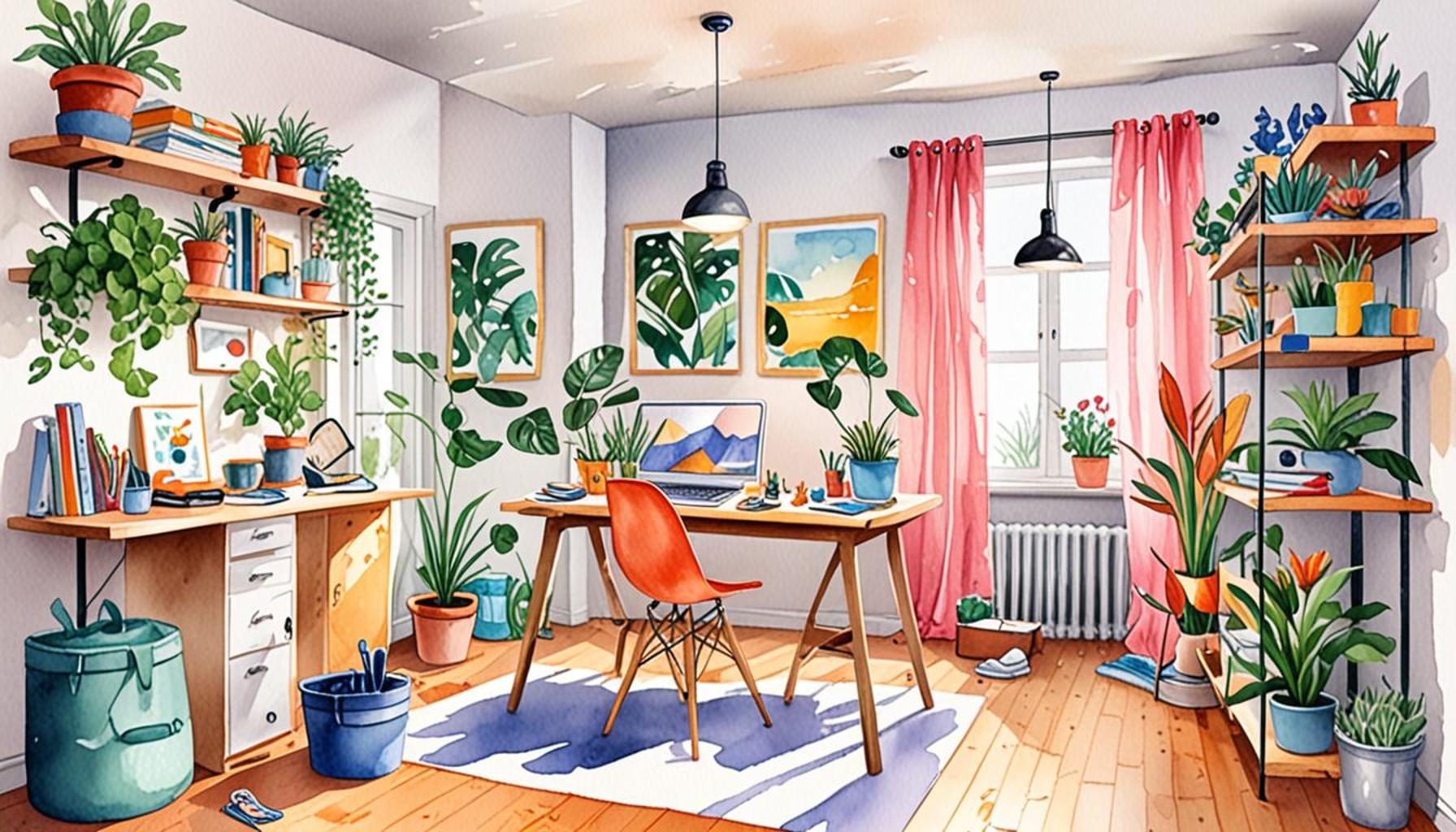
Family Organization: Involving Everyone in Reducing Clutter for a More Harmonious Home

The Impact of Clutter on Family Life
Clutter can quickly transform a once-harmonious home into a source of stress and frustration. It isn’t just about physical space; it’s about the mental and emotional environment that clutter creates. In Nigeria, where family plays a central role in daily life, many households find themselves grappling with mountains of belongings that no longer serve a purpose. These may include outdated clothing, unused kitchen appliances, or forgotten items that hold sentimental value but take up valuable space. A cluttered home can be overwhelming, leading to feelings of anxiety and even affecting relationships.
To create a peaceful living environment, it’s essential to tackle clutter systematically and collectively. Engaging every family member fosters a sense of responsibility and cooperation, making the decluttering journey a team effort. Here are some valuable steps to consider:
- Shared Goals: Start by setting clear objectives for what you want to achieve through decluttering. These goals can be as simple as reducing visible clutter in the living room or tackling the storeroom.
- Regular Family Meetings: Schedule time to discuss clutter zones within your home and brainstorm strategies to tackle them. For instance, if the children’s play area is overwhelming, discuss possible solutions together.
- Involvement of Children: Teaching kids the importance of organization from an early age cultivates lifelong habits. Use fun activities, such as a treasure hunt for misplaced toys, to instill a sense of ownership and responsibility.
The need for decluttering isn’t just personal; research has shown that a cluttered environment can significantly impact mental well-being. By encouraging participation from each family member in reducing clutter, you can foster a sense of order and tranquility that directly enhances emotional health.
Understanding the Psychology of Clutter
Understanding the psychology behind clutter is vital to the decluttering process. Consider how different spaces affect emotions and relationships, and reflect on the following:
- Emotional Attachment: It’s essential to address the reasons behind keeping certain items. For example, an old shirt from a loved one might evoke memories, making it difficult to part with, even if it is no longer worn.
- Functional Spaces: Identify areas that require immediate attention. A messy kitchen can hinder cooking, while a cluttered study may affect productivity. Prioritizing these spaces can lead to quick wins that motivate further action.
- Decluttering Techniques: Explore methods that resonate with your family, such as the KonMari method of keeping only what sparks joy, or creating specific zones in the house dedicated to different activities.
Take the first step towards a more organized home by involving everyone, from the youngest to the oldest. As you work together to reduce clutter, you will witness a remarkable transformation in your living space, leading not just to improved organization, but also to strengthened family bonds and enhanced well-being.
CHECK OUT: Click here to explore more
Strategies for Collective Decluttering
Involving every family member in the process of decluttering can lead to not just a more organized home, but also a tighter-knit family dynamic. When everyone participates, it fosters a shared sense of ownership and accountability. Through collective efforts, families in Nigeria can create a more harmonious environment that nurtures relationships and alleviates the stress often associated with clutter. Here are several strategies to ensure all hands are on deck:
- Create a Plan Together: Begin with a collaborative meeting where each family member can voice their thoughts and preferences regarding the decluttering process. This ensures everyone feels valued and involved. Divide specific areas of your home into manageable tasks that align with each person’s strengths and interests, whether it’s organizing the kitchen, sorting out children’s toys, or decluttering the living room.
- Set a Timeline: Having a clear timeline helps maintain focus. Work together to establish a reasonable schedule for tackling each area of the home. Breaking down the decluttering process into weekly or bi-weekly tasks can make the undertaking less daunting and more exciting for everyone involved.
- Incorporate Fun Activities: Transforming decluttering into a fun family event can enhance participation. Consider holding decluttering competitions where family members can earn points for items they donate or discard. Offering small rewards for achievements can also incentivize younger members of the family to participate actively.
Moreover, decluttering presents an excellent opportunity for families to reflect on their belongings and their emotional significance. Engaging children in conversations about why certain items are no longer useful promotes critical thinking and life skills. For instance, when discussing an old toy, ask questions like, “What do you like better about this toy than the other ones?” This can lead to valuable lessons about making choices and letting go of unnecessary items.
Promoting a Clutter-Free Home Ethos
Establishing a culture of organizing can bring long-term benefits to your family’s way of life. Engage in regular discussions about the importance of maintaining uncluttered spaces and involve everyone in brainstorming sessions for new organizational strategies. This could mean creating designated storage areas, labeling bins, or even utilizing vertical space effectively to free up floor areas. Such discussions can foster creativity and collaboration, ensuring everyone develops a personal investment in keeping clutter at bay.
Furthermore, adopting routines that prevent clutter accumulation is essential for sustainability. Simple habits, such as the “one in, one out” rule, where children learn that for every new item brought into the home, an older item must depart, can instill a sense of responsibility. This practice not only manages physical clutter but also cultivates mindfulness about consumption, aligning perfectly with the values of sustainability that resonate throughout Nigerian households.
By uniting in the journey towards a clutter-free home, families can create an atmosphere of peace and contentment. As you embark on this collective mission, remember that each small action contributes to a more organized and inviting family space.
| Advantages | Implementation Strategies |
|---|---|
| Increased Cooperation | Engage all family members in decision-making. |
| Enhanced Communication | Establish regular family meetings to discuss clutter reduction efforts. |
| Shared Responsibilities | Assign specific tasks to each family member, promoting accountability. |
| Better Time Management | Create a cleaning schedule that accommodates everyone’s availability. |
Involving every family member in the journey towards reducing clutter fosters a sense of teamwork and shared achievement. It not only aids in maintaining a more organized space but also nurtures essential life skills such as communication and cooperation. Families can benefit from setting up routines, involving everyone in the decision-making process about what to keep and what to discard. Regular meetings allow for discussing progress and any challenges faced, making the process inclusive. Moreover, when specific responsibilities are assigned to individuals or teams, it fosters accountability, ensuring that each member understands their role in creating a harmonious home. Utilizing a shared calendar helps in managing time effectively, making it easier to sustain cleanliness and organization in everyday life. By adopting these strategies, families can ultimately build an environment that promotes well-being and unity.
YOU MAY ALSO LIKE: Read read another article
Building Lasting Habits for a Clutter-Free Lifestyle
Once your family has successfully tackled the initial decluttering process, it’s vital to establish habits that ensure clutter does not creep back in. The long-term goal is not merely to achieve a temporary state of organization but to create a lifestyle that embraces order and simplicity. This approach not only uplifts your living space but can also lead to a more peaceful and productive family atmosphere.
Designated Spaces for Belongings
Creating clear designated spaces for each type of item within the home is foundational. It is essential that each family member understands where their belongings belong. This can involve creating specific zones within your home—like a homework station for school-related materials, a play area for toys, or designated shelves for books—that reflect how your family lives and interacts with your possessions. In doing so, you are not just organizing but teaching responsibility and accountability.
Using storage solutions that are both functional and aesthetically pleasing can significantly enhance the likelihood of maintaining organization. Brightly colored bins or personalized shelves can serve as reminders for children to keep their spaces tidy. For instance, in Nigerian homes, locally made baskets or containers can be both decorative and functional, giving each family member a sense of pride in maintaining organization.
Regular Family Check-Ins
Establishing a routine of regular family check-ins is another vital component of maintaining a clutter-free home. Scheduling monthly or bi-monthly gatherings can create an opportunity for everyone to assess how the organization strategies are working. During these meetings, family members can share challenges they face in keeping organized and brainstorm solutions together. This active engagement keeps the conversation alive and personalizes the goal of minimalism.
Additionally, incorporating a “clutter off” day—where the entire family participates in a day focused on decluttering specific areas—can serve as a fun reset button. This day can be marked on the calendar as a special family day, allowing for bonding activities that are both productive and enjoyable.
Embracing Minimalism Through Cultural Practices
The rich cultural heritage of Nigeria can inspire a minimalist approach by encouraging families to appreciate quality over quantity. Emphasizing traditional values such as the importance of sharing and repurposing can lead to less clutter. Consider organizing community swap days with neighbors or extending the practice of giving to those in need, which promotes a culture that values experiences over material possessions. Not only does this support social ties within the community, but it also fosters a deeper appreciation for what truly matters.
Pursuing a clutter-free environment is an ongoing journey. By incorporating these strategies with regular communication, creative solutions, and a cultural appreciation for simplicity, families can strengthen their bonds while enjoying the bounties of a harmonious home. Encouraging each family member to take ownership of their space builds life skills that extend beyond decluttering—instilling values of respect, cooperation, and gratitude that will last a lifetime.
CHECK OUT: Click here to explore more
Creating a Harmonious Home Through Collective Effort
In the quest for a more organized living space, the importance of family involvement in reducing clutter cannot be overstated. It is through active participation that each family member not only learns to value their possessions but also appreciates their role in maintaining shared environments. This collaborative effort fosters a deep sense of ownership and responsibility that transcends mere organization; it promotes unity and harmony within the family.
By implementing strategies like designated storage areas, engaging in regular family check-ins, and embracing values from Nigeria’s rich cultural heritage, families can create effective systems that make decluttering a part of their daily lives. This journey requires commitment and continuous reflection, ensuring that the home remains a sanctuary that reflects the family’s values and aspirations.
Moreover, instilling the principles of minimalism and community-oriented practices encourages children to look beyond material belongings, fostering an attitude of gratitude and respect towards what they have. In this ever-changing world, where consumerism often overshadows simplicity, returning to these core values can lead to a more fulfilling way of living.
Ultimately, by embracing a clutter-free lifestyle as a family, you are not just tidying up; you are creating an inviting and harmonious home that nurtures relationships and enriches everyday experiences. As you embark on this journey together, remember that every small step counts, making the collective effort not just a task but a rewarding adventure.

Beatriz
Beatriz Johnson is a seasoned minimalist and writer with a passion for simplifying the complexities of personal organization and decluttering. With over a decade of experience in the field, she specializes in topics like minimalist living, efficient organization strategies, and creating intentional spaces. Through her work, Beatriz empowers readers to make mindful decisions about their belongings, streamline their lives, and embrace a more organized and fulfilling lifestyle.