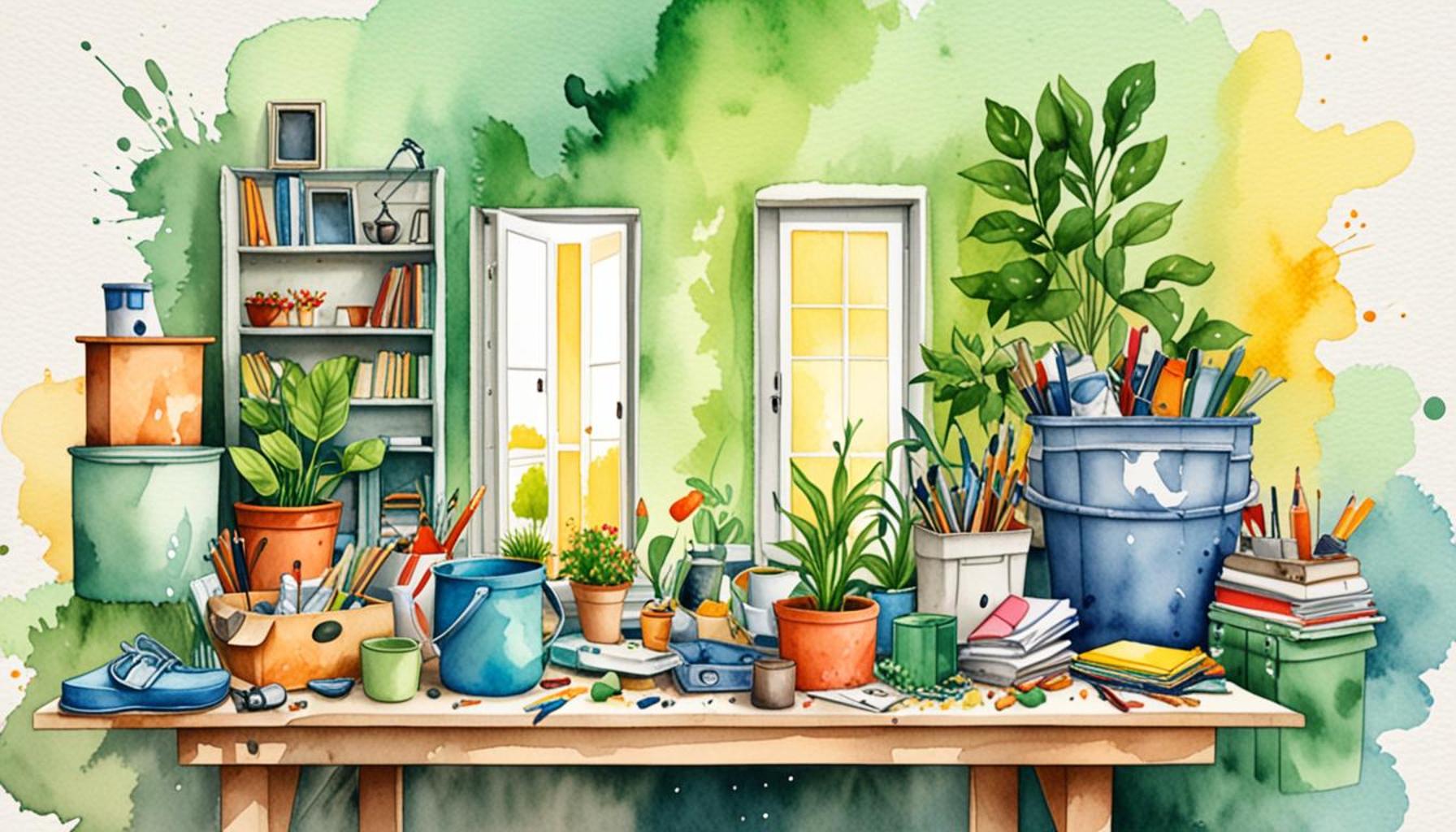
How Decluttering Can Improve Your Mental Health: A Minimalist Approach

Exploring the Benefits of Decluttering for Mental Wellness
In an increasingly hectic world, where the hustle of daily life can often seem unrelenting, finding ways to protect and improve our mental well-being becomes essential. The practice of decluttering is not merely a physical task but a holistic approach that can significantly enhance our mental state. In Nigeria, where vibrant markets and bustling streets typify the daily experience, integrating a minimalist perspective can serve as a much-needed antidote to life’s distractions.
Impacts of Decluttering on Mental Health
Research suggests that our environments play a crucial role in shaping our mental health. A clean environment is linked to reduced levels of anxiety and stress. For instance, consider a typical Nigerian home filled with daily use items, clutter from busy lifestyles, and remnants of past events. This clutter can create visual chaos, leading to feelings of being overwhelmed. By systematically decluttering, individuals can foster not only a tidier space but a profoundly calmer mind.
Enhanced focus is another noteworthy benefit. When our surroundings are free from distractions, our ability to concentrate improves significantly. This is especially relevant in contemporary Nigerian society, where multitasking has become a way of life, often leading to mental fatigue. By creating a minimalistic environment, people can set aside time and space to engage in peaceful reflection or focused work, thus promoting clearer thinking.
Moreover, when decluttering is embraced, an individual often experiences a rise in productivity. Research indicates that an organized workspace can boost efficiency, making it easier to tackle tasks. For example, students in Nigeria studying for examinations might find that a neatly arranged study space helps them absorb information better than a cluttered one, thereby enhancing their academic performance.
Minimalism as a Counterculture
As societal demands around consumerism grow, embracing minimalism can be seen as a counterculture movement. Decluttering helps challenge the notion that happiness comes from material possessions. In context, Nigerians often face social pressure to acquire the latest gadgets or household items. By consciously opting for a minimalist lifestyle, one can break free from these expectations, fostering a sense of freedom and self-awareness instead.
Steps Towards Decluttering
Embarking on the journey toward minimalism doesn’t necessitate drastic or overnight changes. It can begin with small, manageable actions, such as eliminating one item a day. For instance, sorting through clothes that have not been worn in months can lead to a clearer wardrobe and a lighter emotional load. Over time, these small adjustments can merge into broader lifestyle changes, yielding significant mental health benefits.
In summary, as you explore the relationship between decluttering and mental well-being, consider the transformative effects a minimalist approach can have on your life. By taking proactive steps towards clarity in both your physical and mental spaces, you can foster a greater sense of peace and improve your overall mental health.
LEARN MORE: This related article may interest you
Understanding the Psychological Impact of Clutter
Clutter doesn’t just take up physical space; it consumes mental energy. In Nigeria’s fast-paced environment, where the noise of city life can feel overwhelming, the effects of clutter are often exacerbated. Studies have shown that excessive clutter can increase feelings of anxiety and depression. When we look at a disorganized space, our brains are bombarded with visual stimuli that demand attention, leading to a state of constant distraction. This overwhelming sensory input can prevent us from focusing on what’s truly important, including our mental health.
Organizing our spaces provides mental clarity. Imagine walking into a room where every item has its place: the soothing effects of a well-organized environment can manifest in a more composed mindset. For instance, consider how a typical Nigerian household filled with bundles of clothes, scattered household items, and unorganized paperwork can generate stress. By simply choosing to declutter, individuals can reclaim their mental space, fostering a more serene atmosphere conducive to clear thinking and relaxation.
Emotional Relief Through Decluttering
Decluttering can serve as a form of emotional release. The act of letting go of possessions that no longer serve a purpose can create a sense of liberation. This process often involves evaluating our attachments to material goods—something particularly pertinent in a culture where memories can be tied to items, such as gifts from loved ones or souvenirs from significant life events. However, a minimalist approach encourages evaluations of what we genuinely need versus what we are holding onto from sentimentality. By clearing out the unnecessary, individuals often experience a significant weight lifted off their shoulders.
Creating a Systematic Approach to Decluttering
To effectively declutter, it is crucial to establish a systematic approach. Here are some practical steps to embark on this journey:
- Set clear goals: Determine what spaces need decluttering and what the end goal looks like.
- Start small: Focus on one area at a time, whether it’s a single drawer or a room.
- Sort items: Use the ‘keep, donate, trash’ method for easy decision-making.
- Establish a routine: Dedicate a specific time weekly to review and maintain organization.
- Seek support: Involve friends or family members to keep motivated and provide proactive feedback.
From students managing their study spaces to working professionals defining their home offices, following these steps can amplify the benefits of decluttering toward enhanced mental health. Decluttering empowers us to take control of our environments, thereby influencing our emotional states positively. As individuals take charge of their physical spaces, they often find that the benefits extend well beyond mere tidiness, leading to enriched mental clarity and improved emotional well-being.
| Category | Advantage |
|---|---|
| Reduced Anxiety | A clear space can lead to a clearer mind, reducing feelings of overwhelm. |
| Enhanced Focus | Minimalism allows you to dedicate attention to what truly matters, thus improving productivity. |
Decluttering serves as a powerful gateway to better mental health through a minimalist approach. When physical spaces are free from excess items, it can lead to a significant reduction in anxiety. This effect is not just psychological; studies have indicated that a clean, organized environment promotes a calmer mindset, allowing individuals to navigate their thoughts and feelings more effectively. Moreover, by embracing minimalism, individuals can experience enhanced focus. With distractions minimized, the brain can engage with tasks or ideas without the interference of clutter. This focused mindset can improve overall productivity and cognitive function, providing a sense of accomplishment and clarity. By delving into these benefits, one can appreciate the profound connection between environment and mental wellness, inviting deeper exploration of decluttering practices.
YOU MAY ALSO LIKE: Read read another article
The Transformative Benefits of a Minimalist Lifestyle
A minimalist approach to living emphasizes the importance of reducing material possessions to enhance overall well-being. In the Nigerian context, where societal values often revolve around abundance and relationships, embracing minimalism can seem counterintuitive but is increasingly relevant. Minimalism is not merely about owning fewer things; it’s about enriching our lives by prioritizing experiences and relationships over material wealth.
Adopting a minimalist lifestyle involves more than just removing clutter. It’s about reshaping how we perceive our possessions. For many in Nigeria, the phrase “more is better” resonates deeply, often resulting in homes filled with items that bear emotional weight but little value. By consciously choosing to embrace minimalism, individuals can break free from this cycle of accumulation. The focus shifts towards investing in quality rather than quantity, allowing for deeper connections with the items we choose to keep. For instance, rather than having numerous pairs of shoes, one might choose to have a single, high-quality pair that serves multiple purposes.
Enhancing Focus and Productivity
One of the most significant psychological benefits of decluttering through minimalism is the enhanced ability to focus. Research indicates that environments filled with clutter can lead to decreased productivity. In bustling Nigerian offices and homes, distractions are often amplified by disorganized spaces. Whether it’s a student struggling to concentrate on studies amidst scattered books or a professional working from home surrounded by unkempt files, the negative impacts of clutter are evident. A streamlined environment, however, promotes clarity and focus, enabling individuals to engage fully with tasks at hand.
Imagine the impact of a well-organized workspace: not only is it visually pleasing but it also facilitates efficient workflow. By eliminating distractions, individuals often find themselves capable of achieving higher levels of productivity. Practical steps like designating specific zones for work-related activities and ensuring that each item has a defined place can transform the way people interact with their environments. This is particularly vital in Nigeria, where the hustle and bustle can easily drain mental resources.
Creating Shared Spaces for Well-Being
Another crucial aspect of decluttering in the Nigerian context is the impact it can have on communal living spaces. Many Nigerian families live together, where shared spaces can quickly become overwhelmed with personal items. A minimalist approach promotes the idea of creating shared, multifunctional spaces that foster connection and interaction. For instance, a living room that serves as both a relaxation area and a workspace can thrive in less clutter. When families declutter together, they cultivate an atmosphere of teamwork and collaboration, strengthening bonds and improving overall family dynamics.
Furthermore, establishing a decluttering routine as a family can introduce a sense of shared responsibility. Parents can imbue young ones with essential life skills regarding organization and prioritization while enhancing their emotional resilience. A home environment that promotes these values not only lifts the burden of clutter but also sets a precedent for future generations to engage meaningfully with their surroundings.
As individuals embark on the journey of decluttering with a minimalist mindset, they begin to notice shifts in their mental health and overall quality of life. The journey may take time, but the end results—less stress, more mental clarity, and enriched relationships—ultimately create a more fulfilling existence.
LEARN MORE: This related article may interest you
Conclusion: Embracing Minimalism for a Healthier Mind
In the journey towards improved mental health, the practice of decluttering through a minimalist approach emerges as an invaluable ally. As highlighted throughout this article, the act of minimizing our possessions goes beyond physical space; it transforms our mental landscape. For many in Nigeria, embracing minimalism can challenge traditional notions of value, shifting the focus from quantity to quality, experience, and meaningful connections. By consciously choosing to simplify their lives, individuals can lighten their emotional burden and foster a sense of clarity.
Enhanced focus and productivity stand out as compelling benefits of decluttering. A well-organized space not only creates a more serene environment but also enhances an individual’s capacity to engage with tasks effectively. This is particularly important in Nigeria’s rapidly changing urban environment, where distractions abound. Moreover, the practice of creating shared spaces cultivates family unity and teaches future generations the importance of prioritization and responsibility, which are vital life skills.
Ultimately, the payoff of adopting a minimalist lifestyle is significant. Individuals can experience reduced stress, improved mental clarity, and enriched relationships, contributing to an overall heightened sense of well-being. As people take the bold step to declutter their homes and minds, they open up pathways to a more fulfilling and balanced life. Embracing minimalism is more than just a trend; it is a transformative journey that invites us to reevaluate our lives and find joy in simplicity. The question now is: are you ready to start your journey towards a clearer mind and a more meaningful existence?

Beatriz
Beatriz Johnson is a seasoned minimalist and writer with a passion for simplifying the complexities of personal organization and decluttering. With over a decade of experience in the field, she specializes in topics like minimalist living, efficient organization strategies, and creating intentional spaces. Through her work, Beatriz empowers readers to make mindful decisions about their belongings, streamline their lives, and embrace a more organized and fulfilling lifestyle.