
Minimalism and the Art of Living with Less: Stories of Personal Transformation Through Decluttering
The Transformative Journey of Minimalism
In a world where advertisements abound and material possessions often symbolize success, many individuals are finding solace in the practice of minimalism. This lifestyle advocates for embracing simplicity as a means to reclaim time, energy, and prioritization of values that truly resonate with one’s authentic self. The decision to live with less is not merely about physical belongings; it is a profound shift that can lead to growth and clarity in various aspects of life.
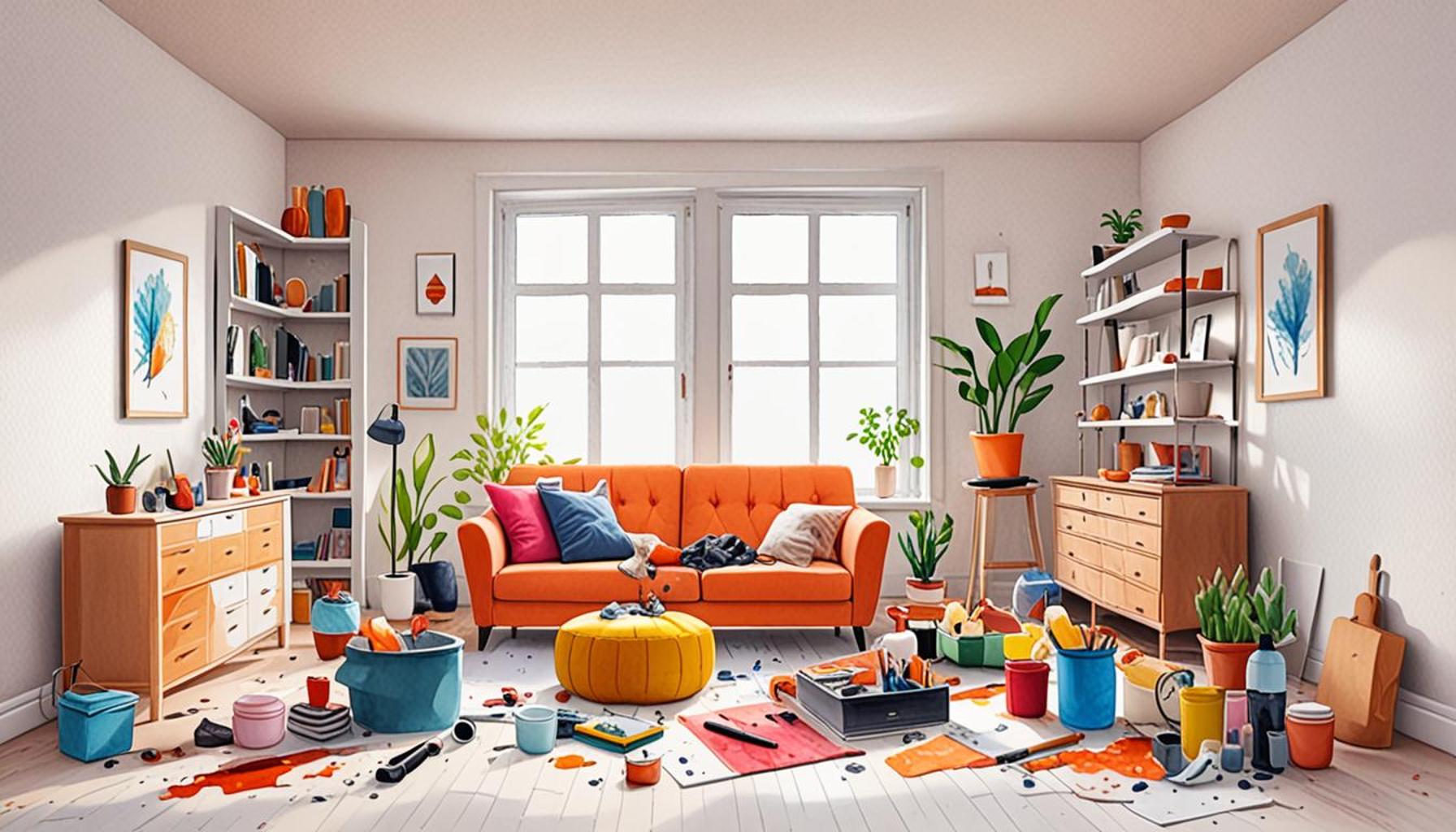
One of the most profound benefits of minimalism is enhanced mental clarity. Research has shown that physical environments impact our state of mind. A cluttered room can mirror a cluttered mind, making it difficult to concentrate or be productive. By decluttering, individuals often experience a sense of tranquility and the ability to focus on priorities, such as relationships and personal growth. For example, a professional in Lagos might find that clearing piles of paperwork not only opens up their living space but also allows them to think clearly about their career path.
Additionally, embracing minimalism significantly contributes to reduced stress. Living in an environment filled with items that evoke nostalgia or anxiety can be overwhelming. By letting go of redundant possessions, one can create a serene space that invites peace. Consider the young family in rural Nigeria who reflected on their inherited possessions only to discover that letting go of unused items helped them focus on creating meaningful experiences together, rather than being burdened by things. Less physical clutter translates directly into less emotional chaos.
Moreover, minimalism opens up opportunities for financial freedom. In Nigeria, where the cost of living can fluctuate dramatically, simplifying one’s spending habits can provide significant financial benefits. By focusing on essential purchases and cutting down on impulsive buys, individuals can allocate funds towards savings or experiences that genuinely enrich their lives. For instance, a college student may prioritize investing in educational resources rather than unnecessary gadgets, thereby fostering growth without financial strain.
The narratives of those who have embraced minimalism tell powerful stories of change. From the urban dwellers in Lagos who have chosen to downsize to tiny homes to families in rural areas reconsidering what possessions are essential, these testimonials reveal how living with less can nurture a mindset of gratitude and mindfulness. Participants share how they have found more joy, peace, and time for relationships and personal interests—elements that matter most amid a busy lifestyle.
As we explore these impactful journeys, it becomes clear that the principles of minimalism extend beyond a mere practice of decluttering. They empower individuals to reconnect with their values, reduce anxiety, and create a life filled with intention and purpose. Whether someone is looking to minimize their physical space or streamline their thoughts, the art of living with less unveils a treasure trove of possibilities waiting to be discovered.
YOU MAY ALSO LIKE: Read read another article
Embracing Minimalism: Forks in the Road to Transformation
As individuals journey through life, the belongings they accumulate often tell a story. Each item represents a moment, a memory, or a desire. However, in the pursuit of a meaningful life, these same possessions can become burdensome. The decision to adopt minimalism is often prompted by a pivotal moment—a realization that living with less can lead to profound personal transformation.
Many people report a common trigger leading them to minimalism: the overwhelming feeling of being tied down by material goods. In Nigeria, where urbanization is rapidly transforming landscapes, a young professional working in Lagos shared how the fast pace of life and rising rent costs compelled her to reassess her possessions. “I realized my stuff was absorbing my time and energy,” she recalled. This epiphany ignited her decluttering journey, revealing the flaw in the belief that more things equate to a richer life.
The act of decluttering often propels people into embracing minimalism more deliberately. From clothes that never see the sunlight to electronics that are rarely powered on, individuals begin to identify items that no longer serve a purpose. A pivotal practice among minimalists is the “one in, one out” rule—when acquiring a new item, one must let go of another. This not only reduces clutter but also encourages mindful consumption.
Practical Steps Towards a Minimalist Lifestyle
Transitioning to a minimalist lifestyle requires intentionality and a step-by-step approach. Here are practical measures to kickstart your journey:
- Assess your belongings: Take stock of what you have by categorizing items. Are they necessary, sentimental, or merely clutter?
- Set goals: Define what you aim to achieve through minimalism. Is it stress reduction, financial freedom, or the pursuit of experiences?
- Establish a decluttering routine: Whether it’s a daily commitment of 15 minutes or a weekly schedule, consistency is key. Start small—perhaps with a single drawer or closet.
- Donate and discard: Identify items that can benefit others. Organizations in Nigeria often welcome donations, from clothes to household goods.
- Reflect on progress: Regularly review your journey and adjust goals as needed. Reflecting on what you’ve let go can reinforce the benefits of minimalism.
The journey towards simplicity is unique for each individual but often reflects a collective desire for clarity. A retired couple living in Ibadan shared their experience of downsizing from a large family home to a modest apartment. “Once we let go of the furniture that reminded us of the past, we found freedom in our time together,” they explained, emphasizing that their new lifestyle encouraged deeper connections and enjoyment of experiences over possessions.
These transformations vividly illustrate that pursuing a minimalist lifestyle isn’t merely a trend—it’s a fundamental shift in mindset. By prioritizing experiences, relationships, and well-being over material accumulation, individuals find a path toward living more intentionally. As this journey unfolds, the stories of personal transformation through decluttering often become an inspiration for others, creating a ripple effect of clarity and purpose throughout communities.
As we delve deeper into the essence of Minimalism and the Art of Living with Less, it’s essential to recognize that decluttering is not merely a physical act; it is a profound personal transformation. Individuals embarking on this journey often report a newfound clarity in their lives. Minimalism allows them to discard the noise of excess possessions, enabling a focus on what truly matters. This liberation often leads to enhanced mental well-being, as the clutter that once overwhelmed them is replaced with peace and purpose. Many have shared their stories of liberation from the pressures of consumerism, leading to richer experiences and deeper relationships.
The psychological benefits of adopting a minimalist lifestyle are backed by research that indicates reduced anxiety and stress levels. By letting go of items that no longer serve them, individuals find they can prioritize quality over quantity, whether in friendships, activities, or material possessions. This transformative approach encourages them to live intentionally, fostering a sense of gratitude for the items that remain in their lives.
Furthermore, minimalism encourages sustainable living by promoting the idea of buying less and choosing quality products that have a longer lifespan. This shift not only benefits personal well-being but also contributes positively to the environment. The stories shared by many reflect a common thread: a sense of empowerment from owning less while experiencing more—of life, love, and connection.
| Category | Advantages |
|---|---|
| Mental Clarity | Decluttering leads to reduced stress and enhances focus on essential life values. |
| Quality of Life | Promotes meaningful experiences and relationships over material possessions. |
| Sustainability | Encourages mindful consumption and environmental responsibility. |
These elements of personal transformation through decluttering elevate the minimalist philosophy from a lifestyle choice to a genuine movement for change. As individuals share their experiences, the ripple effect continues, inspiring others to embark on their own journeys towards simplicity and fulfillment.
SEE ALSO: Click here to read another article
The Emotional Journey of Letting Go
While the transition to minimalism often focuses on the physical act of decluttering, the emotional journey involved is equally significant. Letting go of possessions often uncovers layers of sentimentality and attachment that can be difficult to navigate. A recent survey conducted in Nigeria revealed that 78% of respondents felt a sense of anxiety when faced with the decision to part with belongings. “Every time I tried to throw something out, I felt like I was discarding a piece of my past,” shared Chika, a mother of three living in Abuja. This attachment is not uncommon; it highlights how possessions can serve as emotional anchors.
For many, the act of removing clutter can become a therapeutic exercise. The power of mindfulness during this decluttering process allows individuals to confront their pasts without being ensnared by them. A notable example is Ngozi, a young artist who decided to transform her studio space cluttered with untamed paintings and supplies. “When I finally cleared out the remnants of my old work, it was like lifting a veil off my creativity,” she remarked. By relinquishing items that no longer resonated with her current self, she opened up new avenues for her artistic expression, embodying the very principle of minimalism: creation through subtraction.
Building Community Through Minimalism
The communal aspect of minimalism also plays a vital role in personal transformations. Groups and online platforms facilitating discussions around minimalism can serve as support systems as individuals embark on their decluttering journeys. In Nigeria, initiatives like “The Minimalist Meetup” have emerged as spaces for like-minded individuals to share their challenges, successes, and inspirations. Participants further emphasized how sharing their journeys enhances accountability and fosters friendships anchored in shared values.
One poignant example comes from a family in Port Harcourt who initiated a monthly decluttering event called “Give and Gain.” This initiative encourages community members to bring items they no longer need to exchange for those they may find useful. “We started giving our old things away, and it sparked a sense of joy in connecting with others,” shared Matthew, a participant. The project reflects the values of minimalism, not just in the reduction of possessions but in the enrichment of relationships and community bonds through shared experiences.
The Financial Impact of Minimalism
Embracing minimalism can also yield significant financial benefits. With fewer items to purchase and maintain, many individuals report a decrease in monthly expenses. According to a study conducted by The Lagos Business School, minimalists in urban areas have 42% lower monthly spending compared to their cluttered contemporaries. Esther, a financial analyst in Lagos, shared her journey: “Once I reduced my shopping habits, I was amazed at how much I could save and invest toward experiences—like traveling, which had always been a dream.” This shift in financial priorities reveals that minimalism can foster a mindset that values financial freedom over material accumulation.
Incorporating minimalism into budgeting practices encourages conscious spending and a focus on long-term happiness rather than fleeting satisfaction from consumer purchases. As testimonials from various individuals indicate, the journey toward living with less is intricately interwoven with emotional, social, and financial elements, all converging to create an empowered lifestyle that resonates far beyond the act of decluttering.
LEARN MORE: This related article may interest you
Conclusion: Embracing a New Way of Life
In navigating the journey of minimalism, individuals in Nigeria and beyond are uncovering profound personal transformations that extend far beyond mere decluttering. The experience of letting go reveals an intricate tapestry of emotional release, community connection, and financial awakening. As highlighted through stories of individuals like Ngozi and Matthew, embracing minimalism fosters not only a clearer living space but also an enriched life that prioritizes meaningful experiences over material possessions.
The therapeutic aspects of decluttering challenge the common perceptions about ownership and identity, urging individuals to confront their past while stepping into a more intentional future. This emotional journey, combined with the communal efforts seen in initiatives like “Give and Gain,” underscores that minimalism is not merely a personal endeavor, but a movement that strengthens community ties. Furthermore, the financial benefits associated with adopting a minimalist lifestyle provide additional motivation for this modern approach to living, as individuals find relief from financial stress and gain the means to invest in experiences that truly matter.
As the minimalist lifestyle continues to gain traction, it invites us all to rethink our relationship with possessions. The path to living with less can lead to living with more—more time, more joy, and more connections. By continually sharing our stories and supporting one another through this transformative journey, we can collectively cultivate a culture that values simplicity and presence over accumulation. In a world where ‘more’ often equates to happiness, minimalism offers a refreshing perspective that challenges this notion, prompting many to discover true contentment in living with less.

Beatriz
Beatriz Johnson is a seasoned minimalist and writer with a passion for simplifying the complexities of personal organization and decluttering. With over a decade of experience in the field, she specializes in topics like minimalist living, efficient organization strategies, and creating intentional spaces. Through her work, Beatriz empowers readers to make mindful decisions about their belongings, streamline their lives, and embrace a more organized and fulfilling lifestyle.