
Creative Solutions for Multifunctional Furniture in Minimalist Environments
Discovering the Power of Multifunctional Furniture
In today’s fast-paced world, minimalist environments are becoming increasingly popular. The need to maximize space while maintaining style has led to the rise of creative solutions in furniture design. Multifunctional furniture is not just a trend; it’s a practical response to modern living challenges.
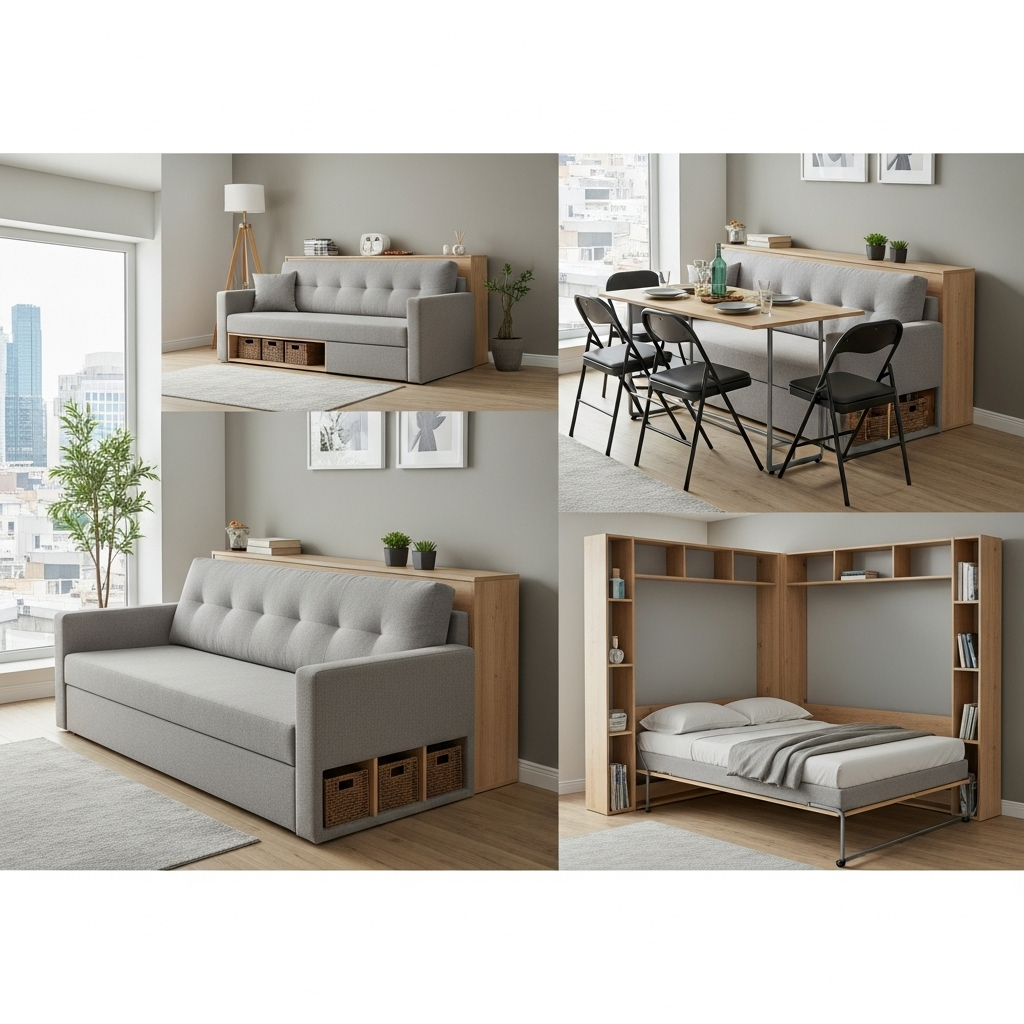
Imagine a space where your sofa transforms into a bed, or a coffee table that cleverly unfolds into a dining space for guests. These pieces aren’t merely functional; they also enhance the aesthetic of the environment. The importance of such innovations in furniture design can be illustrated by three highly sought-after features:
- Versatility: Multifunctional furniture can serve multiple purposes, effectively saving on both space and cost. For instance, a futon can act as both a couch for lounging during the day and a bed for overnight guests—perfect for those unexpected visitors.
- Space-saving: In urban areas where square footage is often limited, such as in Lagos or Abuja, efficient furniture design is essential. Consider wall-mounted tables that fold down when needed, or Scandinavian-style storage ottomans that offer seating while concealing belongings. Such designs are vital for maximizing utility in tight living environments.
- Stylish Designs: Multifunctional furniture seamlessly fuses aesthetics with practicality. Designers are frequently creating pieces that not only serve a purpose but also add a touch of style to a room. Furniture can range from elegant convertible armchairs to chic bookshelves that double as room dividers, essentially combining functionality with a striking visual impact.
In Nigeria, where urban density is high, and living spaces can be compact, multifunctional furniture can provide the perfect solution. By reimagining how we use our furniture, we can create streamlined spaces that reflect our personal styles and meet our diverse needs. For example, local artisans might craft traditional wooden furniture that doubles as storage solutions, ensuring that the pieces are not only practical but also resonate with cultural significance.
This article will explore innovative ideas that advocate for spatial efficiency while showcasing beautiful design options. It opens the door to a world of possibilities, revealing how through thoughtful selections, one can enhance the functionality of a living space while celebrating unique design aesthetics in the heart of Nigeria. From compact dining sets that collapse to fit in a corner to elegant shelving units that hold a personal library, the potential for maximizing space while embracing style is vast.
Through research and exploration, individuals can discover brands and local craftspeople specializing in multifunctional furniture. This might include shops in busy markets or bespoke services that cater to individuals looking to enhance their living spaces. The journey toward a functional yet stylish home begins with understanding the diverse options available in multifunctional furniture design.
RECOMMENDED: Check out this similar article
Maximizing Utility in Design: The Benefits of Multifunctional Furniture
As the urban population in Nigeria continues to grow, the challenge of fitting comfortable living spaces into compact areas has never been more pressing. This is where multifunctional furniture takes center stage, offering ingenious solutions for maximizing utility without compromising on style. The beauty of these creative designs is their ability to adapt to various needs while ensuring that functionality never takes a backseat to aesthetics.
There are several key benefits to incorporating multifunctional furniture into minimalist environments, particularly for Nigerians who may find themselves in smaller homes or apartments:
- Adaptability: Multifunctional furniture, such as a sofa that converts into a sleeper or a coffee table with storage compartments, is ideal for responding to the fluctuating demands of daily life. It caters to different scenarios, enabling users to adapt their space to host gatherings or create a peaceful environment for relaxation.
- Cost-effectiveness: Investing in pieces that serve multiple purposes can save both money and space. Instead of purchasing separate items for each function, consumers can choose streamlined designs that fulfill all needs, making budgeting for decor substantially easier.
- Innovative Design: Local Nigerian artisans are increasingly embracing innovative designs that weave cultural heritage into modern aesthetics. For instance, traditional benches that also serve as storage space exemplify how functionality and local craftsmanship can enhance the appeal of a minimalist space.
Moreover, the integration of multifunctional furniture aligns with the minimalist philosophy that champions simplicity and practicality. For example, a dining table that collapses into a compact size can be stowed away easily, allowing for more open floor space when not in use. This is crucial in environments where multiple activities take place in one room—such as cooking, dining, and entertaining.
Another compelling element of creative solutions for multifunctional furniture is the advancement in materials and technology used in design. Many contemporary pieces are made from lightweight materials that are not only durable but also easy to maneuver, making them suitable for regular reconfiguration. Features such as modular seating arrangements and stackable chairs provide ultimate flexibility, catering to both spontaneous and planned gatherings.
As the quest for aesthetic appeal and functionality continues, it is essential to understand the potential of redefining how we approach our living spaces. By extensively researching local markets and online platforms, individuals can discover an array of innovative product designs that resonate with their needs and tastes. This exploration not only fosters a more personalized living experience but also supports local craftsmanship and the economic growth of the furniture design industry in Nigeria.
Ultimately, the journey towards a maximally efficient yet stylish living space is profound. Embracing multifunctional furniture is not merely a choice; it is an opportunity to simplify life, embrace creativity, and celebrate the balance between form and function in the heart of Nigerian homes.
| Category | Description |
|---|---|
| Space Optimization | Utilizes multifunctional furniture to maximize utility and minimize clutter. |
| Versatile Designs | Adaptable pieces such as sofa beds, modular units, and nesting tables that fit various needs. |
| Sustainability | Promotes eco-friendly materials and reduces the need for multiple furniture pieces. |
| Aesthetic Appeal | Minimalist styles that enhance visual space without overwhelming decor. |
The rise of multifunctional furniture in minimalist environments is redefining the way we utilize space and resources. As urban living continues to shrink, innovative, space-saving solutions like expandable dining tables and foldable desks have gained popularity, catering to varied living styles. These pieces are not just practical; they are crafted to ensure that urban dwellers maintain an inspiring, uncluttered aesthetic, proving that functionality can indeed be beautiful. Incorporating sustainable practices, many manufacturers now use reclaimed wood and recycled materials in their designs. This not only minimizes environmental impact but also appeals to the eco-conscious consumer. By integrating multifunctional furniture, residents can achieve a balance between style, responsibility, and practicality while providing an engaging environment that encourages creativity and efficiency. With these solutions, less truly becomes more.
CHECK OUT: Click here to explore more
Innovative Multifunctional Designs: Embracing the Art of Space Saving
In the pursuit of streamlined living, multifunctional furniture offers a bridge between necessity and creativity. Nigerian designers are continuously evolving to optimize the use of available space while maintaining a level of design elegance that draws inspiration from both traditional and modern attitudes. Consider furniture that serves multiple purposes: a bed that folds into a desk or an ottoman that becomes a sleeper. These innovative creations lead the way in ensuring spaces remain inviting and functional, reflecting the hustle and bustle of urban life in Nigeria.
One particularly exciting trend is the rise of modular furniture systems that can be rearranged and customized to fit diverse living requirements. These systems enable users to tailor layouts based on daily activities. For example, a sectional sofa can be adjusted to create individual seats for small gatherings or expanded to accommodate larger family reunions. This adaptability is essential for living situations where space is at a premium. With the increasing demand for such furniture, local brands are stepping up with products that marry modern aesthetics with Nigerian heritage.
Furthermore, smart furniture, which integrates technology into its design, is making waves in the furniture market. Items such as media consoles with built-in charging stations or coffee tables equipped with Bluetooth speakers cater to the tech-savvy individual. These ingenious designs allow homeowners to reduce clutter, as they eliminate the need for additional accessories while embodying the sleek essence of minimalist design. For instance, integrating wireless charging pads into furniture not only modernizes the home but also aligns with the minimalist principle of keeping surfaces clear and tidy, enhancing the sense of space and relaxation.
The materials used in creating multifunctional furniture are also evolving. Reclaimed wood, bamboo, and sustainable composites are becoming popular choices for eco-conscious consumers. They are not only lightweight and durable but bring warmth into minimalist spaces. Pieces like collapsible dining tables made from bamboo deliver not just functionality but also environmental responsibility. This shift towards sustainable materials resonates with a growing demographic in Nigeria that values ethical consumption alongside aesthetic quality.
Adaptive furniture for urban environments is excitingly diverse, incorporating local artisans’ craftsmanship. Custom furniture pieces that can be tailored to fit specific spaces or personal preferences are gaining traction. For instance, a skilled artisan can create a sleek bench that includes hidden storage for children’s toys or seasonal decorations, marrying practicality with artistic flair. Such personalized pieces not only maximize space but also add a unique charm to the home, making it truly one-of-a-kind.
As the dialogue around multifunctional furniture expands, the role of community and collaborative projects emerges. Various design initiatives are rising in Nigeria, encouraging young designers to showcase their interpretations of multifunctional concepts. Events such as design fairs and pop-up shops serve as a platform for these creatives to present their innovative furniture solutions, thus fostering a culture of exploration and appreciation for space-utilizing designs that align with minimalist living.
In a landscape shaped by changing lifestyles and increasing compact living environments, the creative solutions behind multifunctional furniture continue to inspire homeowners across Nigeria. By observing local trends and collective solutions, individuals can create inviting spaces that harmonize functionality and creativity in their everyday lives.
RECOMMENDED: Check out this similar article
Embracing the Future of Living Spaces
As the fabric of urban life in Nigeria continues to evolve, creative solutions for multifunctional furniture stand out as vital components to enhancing the way we utilize our living environments. The innovative designs and materials being embraced not only cater to the need for space-saving applications but also resonate deeply with cultural elements and ecological concerns. From modular furniture systems that seamlessly adjust to varying daily demands, to smart furniture integrated with cutting-edge technology, these innovative pieces embody the essence of modern, minimalist living.
The shift towards sustainability, with materials like reclaimed wood and bamboo gaining traction, reflects a broader movement of conscious consumption among Nigerian homeowners. In addition, custom creations by local artisans truly personalize living spaces while maximizing their utility and charm. As we witness the rise of design initiatives and collaborative projects that celebrate local creativity, a fertile ground emerges for fresh ideas that connect functionality with artistic expression.
Looking ahead, understanding the potential of multifunctional furniture in minimalist environments offers an exciting pathway for individuals seeking to create inviting, adaptable spaces. This journey involves exploring the balance between practicality and aesthetic appeal, encouraging people to rethink how they engage with their surroundings. By embracing these creative solutions, we can redefine our living spaces—transforming them into places that are not only efficient but also deeply reflective of our unique identities and values.

Beatriz
Beatriz Johnson is a seasoned minimalist and writer with a passion for simplifying the complexities of personal organization and decluttering. With over a decade of experience in the field, she specializes in topics like minimalist living, efficient organization strategies, and creating intentional spaces. Through her work, Beatriz empowers readers to make mindful decisions about their belongings, streamline their lives, and embrace a more organized and fulfilling lifestyle.