The Impact of Natural Light on the Perception of Minimalist and Organized Spaces

Exploring the Transformative Power of Natural Light in Design
When entering a space bathed in natural light, individuals often experience a significant emotional and psychological shift. The dance between sunlight and minimalist design doesn’t merely beautify a space; it profoundly impacts feelings of tranquility, focus, and clarity. Recognizing how these elements converge leads to a deeper understanding of our environments and our responses to them.
Key Aspects of Natural Light
- Increased Mood Regulation: Numerous studies suggest that exposure to natural light impacts mood significantly. For instance, workplaces that incorporate large windows and skylights report higher employee satisfaction and productivity. This is particularly relevant in Nigeria, where cultures thrive in vibrant settings like Lekki or Victoria Island. Individuals working in well-lit spaces often experience less stress and improved mental health, fostering a conducive environment for creativity.
- Spatial Expansion: Bright, well-lit areas tend to appear larger and more welcoming. This is essential in urban living spaces where room sizes can be restrictive. In cities like Abuja and Port Harcourt, adopting designs that optimize natural light can transform cramped apartments into airy havens. Strategic placement of mirrors and light-colored furnishings can further amplify this effect, creating a sense of openness and calm.
- Color Enhancement: The vibrancy of colors significantly stands out when natural light penetrates a space. This aspect encourages a cleaner and more organized aesthetic by highlighting features in homes and offices. For instance, a home in Kaduna featuring bright hues and natural textures can create a lively environment, making it a central gathering space for family and friends.
Across Nigeria, from the vibrant streets of Lagos to the tranquil landscapes of Enugu, there is a growing awareness of the benefits that sunlight brings to both residential and commercial spaces. More urban dwellers are gradually embracing the possibilities that come with harnessing daylight in their interiors. The architectural designs often reflect a keen understanding of how to welcome natural illumination, confirming its vital role in enhancing quality of life in urban settings.
Why Focus on Minimalism?
Minimalist design, which celebrates simplicity and practicality, thrives in environments rich with natural light. In such spaces, the clarity and brightness contributed by sunlight beautifully complement the clean lines and thoughtful organization typical of minimalist decor. Homes that prioritize this design philosophy often report not only aesthetic appeal but also increased mindfulness among inhabitants. Exploring how natural light influences our daily interactions with minimalist spaces can foster fresh insights into the benefits of decluttered living.
Ultimately, adopting a design philosophy that embraces natural light allows individuals to experience their homes and workplaces in new, meaningful ways. As Nigeria’s architectural landscape evolves, the marriage of natural light with minimalist design principles promises to cultivate environments that resonate with harmony, functionality, and aesthetic pleasure.
YOU MAY ALSO LIKE: Read read another article
The Intersection of Natural Light and Minimalism
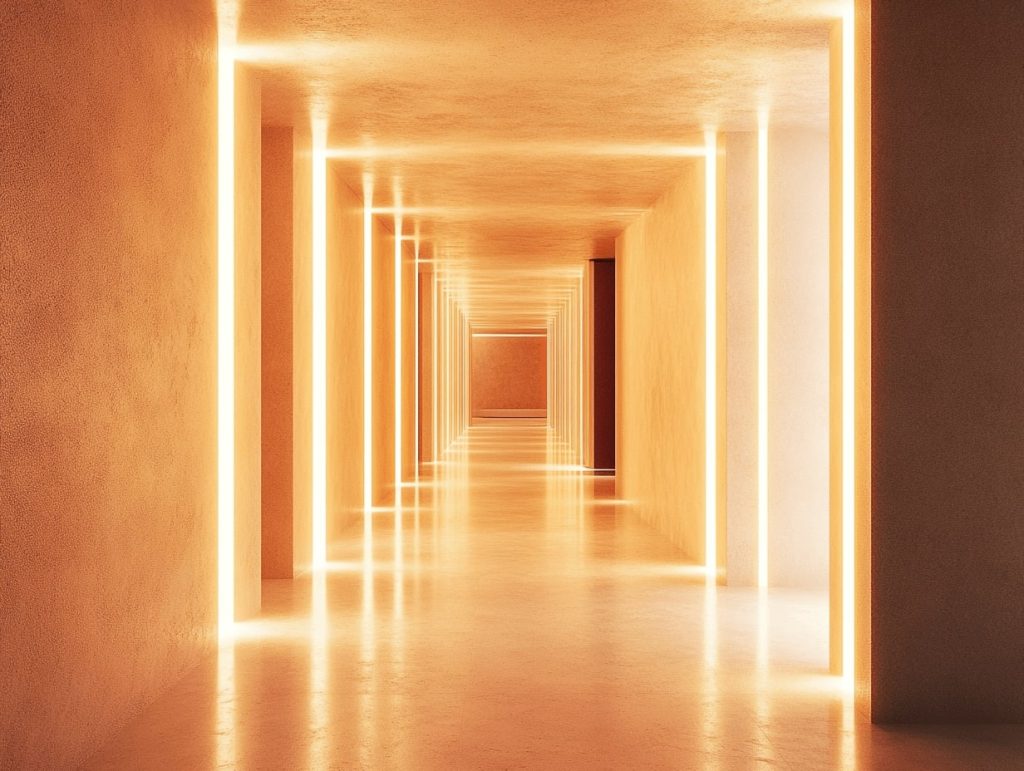
As we delve into the connection between natural light and minimalist interiors, it becomes evident that light is not merely a functional aspect of design; it is an essential character that breathes life into a space. In the context of Nigerian residences, where modernity intertwines with tradition, the thoughtful integration of daylight can drastically alter the perception of interiors. Spaces that are naturally illuminated often embody a sense of openness and serenity, fundamental attributes of minimalist design.
The Emotional Effects of Natural Light
Natural light has been shown to influence emotional well-being and cognitive function, making it a vital component in the crafting of minimalist environments. For instance, a research study published in the International Journal of Environmental Research and Public Health highlights that exposure to daylight can enhance productivity and focus—traits of immense value for busy professionals in cities like Lagos and Abuja. By reducing reliance on artificial lighting, spaces become more invigorating, allowing inhabitants to thrive amid their daily routines.
Design Strategies to Optimize Natural Light
Incorporating natural light into minimalist interiors can be achieved through various strategic design approaches. Here are some effective techniques:
- Large Windows: Utilizing expansive windows allows sunlight to cascade freely into the living area, creating a seamless connection with the outdoors. This feature not only elevates aesthetics but also promotes a sense of well-being.
- Open Floor Plans: Open layouts enable the flow of light throughout the space. With minimal partitions, the effectiveness of natural lighting is maximized, enhancing spatial perception and encouraging a more organized ambiance.
- Use of Light Colors: Selecting lighter shades for walls and furniture can reflect natural light effectively, amplifying its influence. Spaces adorned in whites, soft beiges, or light grays tend to evoke a calm atmosphere, which aligns effortlessly with minimalist principles.
- Incorporating Reflective Surfaces: Mirrors and glossy materials can double the impact of natural light. Placing mirrors opposite windows creates an illusion of depth, making even the smallest spaces feel more expansive.
Additionally, architectural innovations, such as clerestory windows, can play a significant role in allowing light to flood into even the most confined corners of a room. As Nigerians increasingly embrace contemporary styles in their homes, the demand for designs that prioritize natural illumination continues to rise, fostering a new appreciation for how natural light transforms living environments.
As we continue to explore the impact of light on minimalist and organized spaces, it is crucial to observe how these elements coalesce, offering opportunities for creative expression within the constraints of simplicity. Natural light does not merely embellish a space; it defines it, ultimately shaping our experience of home and work in profound ways.
The Influence of Natural Light on Space Perception
Natural light profoundly influences how we perceive spaces, especially in minimalistic and organized environments. It enhances the overall aesthetic appeal and allows for a more intimate connection between the occupant and their surroundings. The quality of this light, be it soft, diffused, or direct, can change the dynamics of any room, creating an inviting atmosphere that encourages relaxation and creativity.One of the most significant impacts of natural light is its ability to create an illusion of expanded space. According to studies in environmental psychology, bright spaces feel larger and more open. As minimalistic design often emphasizes an uncluttered approach, the integration of natural light serves to amplify these characteristics. The interplay of shadows and light also adds texture, emphasizing the design elements while maintaining a sense of serenity.Furthermore, natural light fosters a deep connection to the outdoors, promoting mental well-being and reducing feelings of confinement that often accompany artificial lighting. Spaces filled with natural light tend to evoke a sense of tranquility, enabling individuals to engage more thoroughly with their environments. By minimizing distractions, minimalism thrives in illuminated spaces, encouraging focus and productivity.In addition, the seasonal variations of natural light can alter how we perceive our spaces. During different times of the year, the angle of the sunlight alters light intensity and color temperature, which can evoke varied emotional responses and enhance our overall experience within our homes or workplaces.Ultimately, the strategic use of natural light in minimalist design is not merely an aesthetic choice but an essential component that interacts with our psychology, enhancing the organized feel while promoting well-being and harmony within the space. Readers interested in maximizing these benefits should consider the placement of windows, the use of reflective surfaces, and the overall layout when designing or organizing their spaces. Exploring these elements can vastly enhance not only the appearance but also the function of any minimalist environment.
YOU MAY ALSO LIKE: Read read another article
The Role of Natural Light in Enhancing Spatial Organization
Beyond its emotional and aesthetic attributes, natural light plays a pivotal role in enhancing the perceived organization of minimalist spaces. In environments characterized by simplicity, where clutter is minimal and organization is key, the quality and quantity of light can create a sense of order that resonates deeply with inhabitants. Light, especially in a place as vibrant and dynamic as Nigeria, not only highlights architectural features but also sets the overall tone of a room.
Natural Light as a Tool for Spatial Definition
Incorporating natural light into a design effectively outlines spatial boundaries and distinguishes functional zones without the need for physical barriers. For example, in a compact urban apartment in cities like Port Harcourt or Ibadan, a well-positioned window can illuminate a living area while subtly delineating it from the kitchen or workspace. This phenomenon fosters an intuitive flow, allowing residents to navigate their homes effortlessly and feel a greater sense of connection with their environment.
The Cultural Significance of Natural Lighting
In Nigeria, where cultural traditions often blend with contemporary living, the importance of natural light is culturally significant. Many traditional homes, characterized by open courtyards and wide overhangs, highlight the value of light in promoting airiness and spatial clarity. Such indigenous designs underscore the inherent understanding that light influences how spaces are perceived and used. In modern counterparts, this legacy persists, urging architects and homeowners alike to embrace large glass doors and transom windows that invite in the sun, ensuring an inherent respect for openness and connectivity.
Natural Light and Its Influence on Color and Texture Perception
The interplay of natural light with colors and textures in minimalist spaces cannot be overstated. Sunlight can alter the perception of colors, making soft whites appear warmer or cool grays evoke a crisp, clean atmosphere. In Nigeria’s racially diverse design context, these subtle shifts in light can accentuate patterns found in local textiles or decor, creating a harmonious blend of culture and minimalism. Furthermore, natural light accentuates textures, be it the smooth finish of a concrete wall or the organic grain of wooden furniture, adding layers of depth to a seemingly simple space.
Health Benefits Linked to Exposure to Natural Light
Numerous studies indicate that living in spaces flooded with natural light positively influences physical health. Vitamin D, often acquired from sunlight exposure, plays a critical role in bone health and immune function. In a country where the hustle and bustle of city life can sometimes overshadow personal well-being, designing spaces that maximize light can serve as a gentle reminder to promote healthier living environments. Hence, the actual organization of a space—its ability to encourage light and natural movement—becomes integral to enhancing the health and happiness of its inhabitants.
The rising trend of minimalism in urban Nigerian settings reveals a growing appreciation for designing spaces that prioritize natural elements. As homeowners begin to understand the profound impact of natural light in shaping personal experiences, a renewed commitment to intuitive designs that advocate for light will emerge, offering not just living spaces but sanctuaries that honor the dance of light and shadow in everyday life.
ADDITIONAL INSIGHTS: Expand your understanding here
Conclusion: Embracing the Light in Minimalist Design
In conclusion, the impact of natural light on the perception of minimalist and organized spaces cannot be overstated. From enhancing spatial organization to fostering emotional well-being, the implementation of effective lighting strategies creates an environment that resonates with both functionality and aesthetics. In a rapidly urbanizing Nigeria, where the amalgamation of tradition and modernity is evident, the architectural significance of natural light offers a bridge between the past and present, effectively influencing how we interact with our surroundings.
The cultural heritage of Nigeria emphasizes an intrinsic relationship with natural elements, and the modern emphasis on minimalism aligns seamlessly with this tradition. Thoughtful design choices, such as maximizing light through expansive windows and open spaces, allow homeowners to create not just living areas but carefully curated sanctuaries that reflect personal values and lifestyles.
Moreover, the ability of natural light to enhance color perception and texture adds depth to minimalist spaces, elevating mundane interactions into sensory experiences. As the voice for holistic health and well-being grows louder, incorporating light into design emerges as a critical component of enhancing physical and mental wellness. Embracing natural light not only helps define spaces but also encourages a healthier, more connected way of living.
As urban dwellers in Nigeria and beyond continue to navigate the complexities of contemporary life, understanding the profound impact of natural light will be paramount. By prioritizing light in living spaces, we can redefine the essence of home, cultivating environments that inspire, uplift, and celebrate the harmony of simplicity and nature.

Beatriz
Beatriz Johnson is a seasoned minimalist and writer with a passion for simplifying the complexities of personal organization and decluttering. With over a decade of experience in the field, she specializes in topics like minimalist living, efficient organization strategies, and creating intentional spaces. Through her work, Beatriz empowers readers to make mindful decisions about their belongings, streamline their lives, and embrace a more organized and fulfilling lifestyle.